
Causes of rust on currant bushes and methods of control
Content
The appearance of rust
What is rust? It's a fungal disease that can cause significant damage if not addressed early. This type of disease is primarily caused by the presence of conifers, such as cedar or pine, near currant bushes. Rust on currant bushes is most common in the central part of the country.
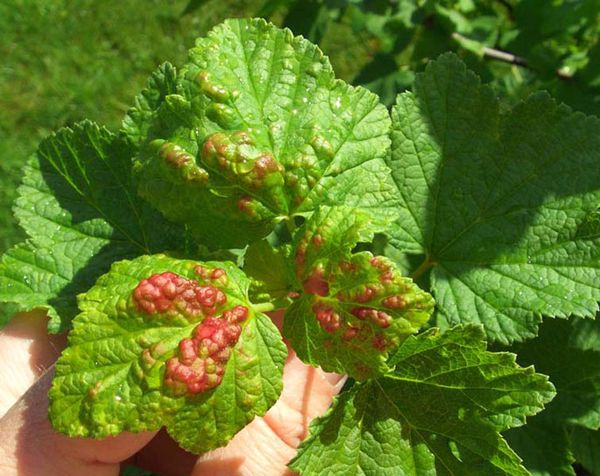
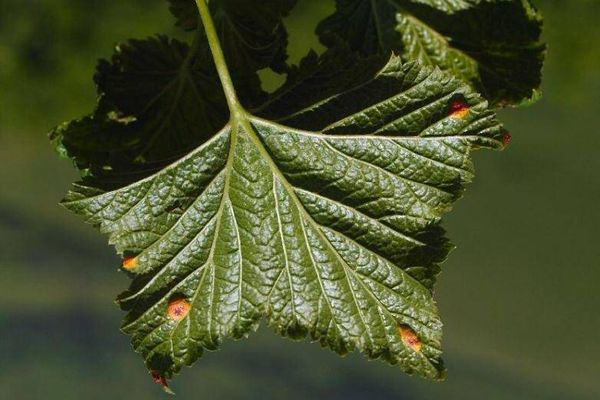
The complexity of the disease is that at first it is almost impossible to determine the presence of any of its symptoms. Moreover, the spores survive severe frosts quite well. This is why the first real symptoms may appear as early as the following spring. Once the rust begins to actively develop on currant leaves, it becomes easy to recognize. These appear as bright orange-red spots on the leaf blade.
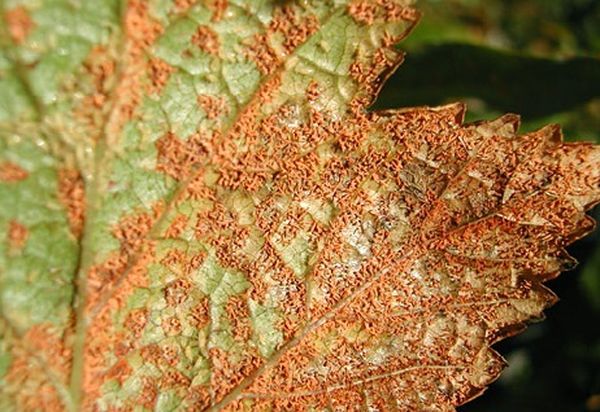
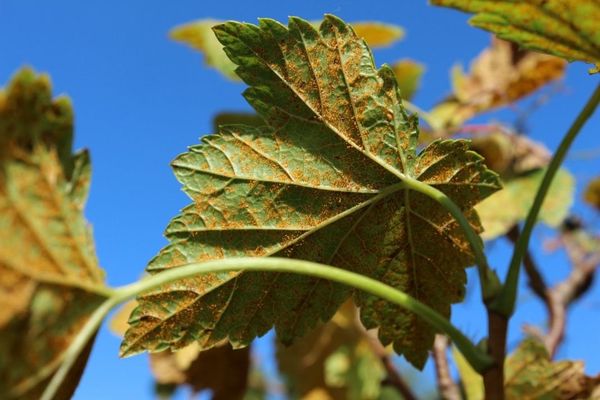
Moreover, orange-colored pads may be present on the underside. These are the source of the disease's spread throughout the plant. These pads eventually form into entire orange columns. These act as a kind of base on which the spores of microscopic fungi are located. If nothing is done, by the onset of autumn, the underside of the shrub's leaf blades will literally be covered in a fluffy carpet.
Causes of occurrence
What causes this blackcurrant disease? Typically, the first symptoms of the disease indicate that Siberian cedar or white pine trees are growing near your garden. When these trees are infected with rust spores, the fungus spreads further. The spores are literally scattered throughout the area. Currant bushes are very sensitive to rust and are unable to resist the disease. This is where all your problems with this disease come from.
Before planting young bushes in your garden, make sure there are no conifers nearby, otherwise the risk of this disease increases. However, if cedar or pine trees are present near your garden, there is another solution. Experts identify several blackcurrant varieties that exhibit good resistance to columnar rust. These include:
- Primorsky champion;
- Eighth Denisova;
- Chulkovskaya is a variety of red berry bush.
If you cannot rule out the possibility of coniferous plants near your garden plot, purchase young seedlings that are considered resistant to this type of disease.
Fighting rust
Sometimes, novice gardeners, encountering this disease for the first time, shrug their shoulders, wondering what can be done when microscopic fungal spores—in this case, rust—have literally covered not only the currant leaves but also the fruit. However, the solution lies in using forgotten methods. First and foremost, experts recommend regularly clearing the area of sedge, as rust also thrives on it.
Another important point that isn't often given attention is inspecting the bushes and mechanically removing any affected parts. For example, farmers should remove leaves that are developing rust. Also, collect fallen leaves, as this can greatly improve the results of your currant bush treatment.
Bordeaux mixture is still used as the primary treatment. However, combating rust can involve other methods. So how can you overcome this disease and restore your berry plants to their former lushness and attractive appearance?
Using folk methods
Rust on blackcurrants is a fairly common disease. It can be cured using traditional methods. This treatment is beneficial not only for its effectiveness but also for its affordability, as there's no need to spend money on chemicals. The best option is to use a solution of tobacco dust and garlic.

To prepare a tobacco medicinal mixture, you will need 200 grams of tobacco dust, which should be poured into two liters of hot water. It is not recommended to use the solution immediately; it should first be left to steep for at least three days.
Once the medicine has steeped, feel free to spray it on your currant bushes. As for the garlic solution, there's a recipe for that too. Peel the garlic cloves (you'll need about 1 cup). Pour two liters of hot water over them and let them steep for at least three days.
Farmers typically prefer to use a combination of tobacco and garlic. To do this, strain the prepared solutions and then mix them. Add a spoonful of liquid soap and a spoonful of red pepper to the resulting mixture. Let the solution steep for two hours. Spray the currant bushes with the prepared mixture, preferably as a preventative measure, before the first buds begin to open.
Don't throw away the pulp from the strained solutions. It should be spread under the currant bushes and lightly sprinkled with sand. Another folk remedy will help consolidate the results: a solution of onion peels. Spray the bushes with this solution approximately two weeks after the initial treatment.
This folk remedy has proven its popularity among Russian gardeners for decades. It's relatively easy to prepare and use, making it a good option for any gardener.
Chemical preparations
Among the professional products commonly used by Russian gardeners, Bordeaux mixture or copper oxychloride are among them. How to prepare the former? To do this, take a solution of copper sulfate and add quicklime. Dilute the mixture with water. If you prefer copper oxychloride, purchase a 95% solution and also dilute it with water. Don't rush to spray your currant bushes with either of the products you've chosen.
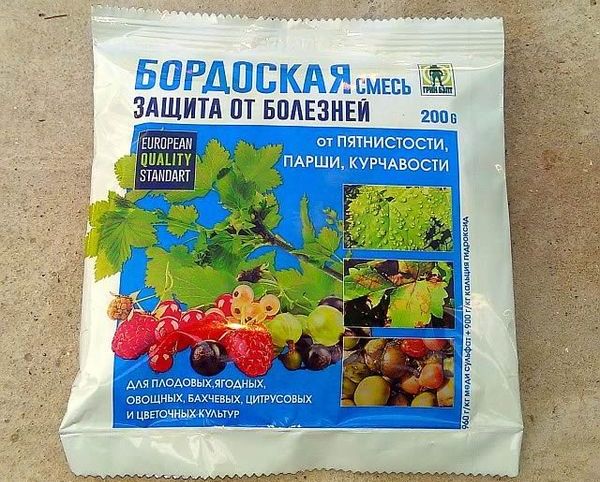
The process of ridding a plant of rust is carried out in stages:
- To begin with, it is recommended to cut off infected leaves from the bushes and burn them so that the infection does not worsen;
- Remember: if you don't burn the affected leaves, they will remain in the soil. In this case, the fungus will overwinter in the compost and may spread to other plants the following spring;
- Once the affected areas of the bushes are removed, spray the bush with a chemical preparation.
It's not always possible to eradicate this disease the first time. Monitor your plants; if rust reappears, repeat the procedure.
Currant disease prevention
Of course, to prevent this disease from occurring in your garden, it's recommended to plant rust-resistant plants in the central part of the country. Be sure to distance currant bushes from conifers, if you have any on your property.
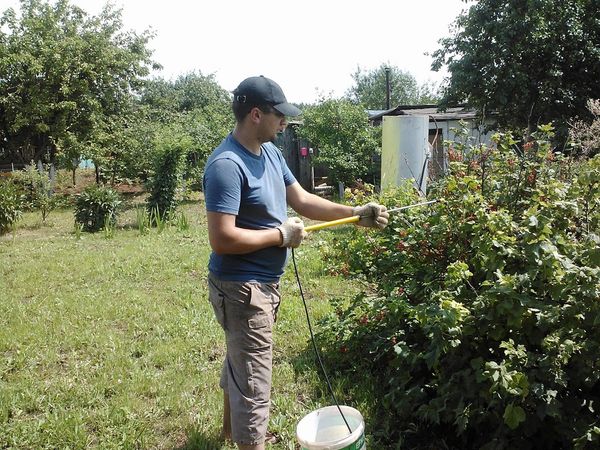
Another important point is to regularly spray the plants with special protective agents. Try to do this several times per season: when the first new leaves appear, during bud formation, during flowering, and ten days after the third stage of the treatment (but only if symptoms of disease are present).
Video: "Why Currant Bushes Dry Up"
In this video, a specialist will explain why currant bushes may dry out and how to combat it.