
Features of propagating currants by cuttings in winter
Content
Features of the method
Cuttings are taken from January to March. Propagation is easy, and rooting can be done almost all winter. This activity is ideal for those who spend the winter at a dacha or country house.
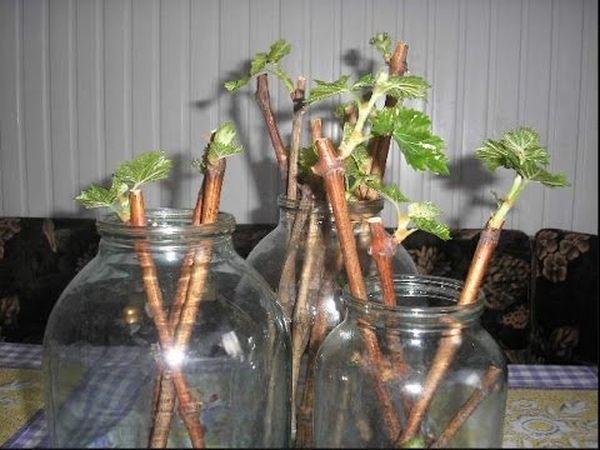
It is recommended to root cuttings exclusively in glass containers. Some inexperienced gardeners use convenient plastic containers. However, it's important to remember that plastic is not environmentally friendly and releases toxins. For this reason, avoid using tires when planting currants in the ground.
If you follow all the rules for caring for black currants, the cuttings of which were taken in winter, then by May the planting material will already have beautiful leaves and a strong root system.
Preparing cuttings
Propagating currants by cuttings in winter requires careful preparation. The most important thing to pay attention to is the preparation of the cuttings themselves. At home, propagation is easy, and almost all gardeners use this method. There are several key points to follow to ensure smooth rooting of currant cuttings in winter.
Cuttings should be taken from the currant bushes that produced the best fruit and the most delicious harvest. The cuttings should be no more than 20 cm long. If the planting material is woody, the wood should be well-formed and free of mechanical damage.
Properly pruned material is the key to successful currant cuttings in winter. The first cut is made at an angle just below the bottom bud, and the second one centimeter above the top bud.
Rooting methods
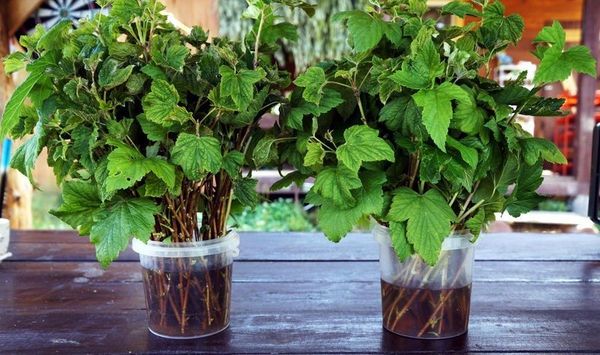
The most popular method for rooting currants is using glass containers. One-year-old cuttings are best for this; they're quite easy to distinguish from more mature branches – they're much lighter in color. To ensure the future plant takes root easily and develops a strong root system, you need to know how to germinate currant cuttings in water in winter.
The water in the container should be slightly sweetened; regular sugar or honey will do. Place the cuttings on a windowsill in a warm spot. To prevent the plant from overcooling, it's recommended to place a piece of foam under the jar. The first roots will begin to appear in 25 days. Once the root system is well established, the cuttings can be transplanted into the soil.
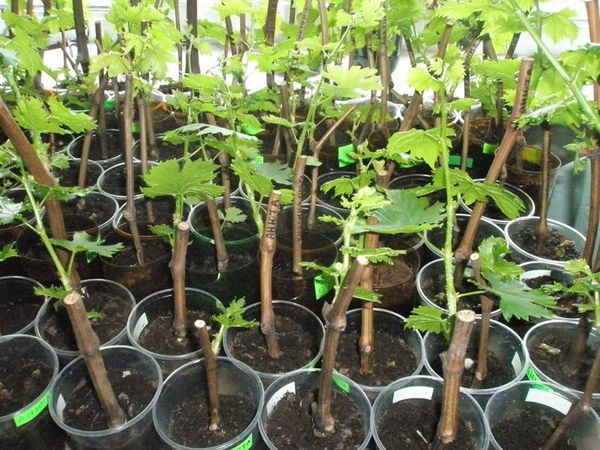
It's best to continue growing them in paper pots made from brown wrapping paper. The pots are placed in well-insulated wooden crates. It's important to ensure the plants don't become too cold during the winter. Water the soil generously, preventing it from drying out.
Planting and further care
If blackcurrants are propagated from cuttings in winter, planting should be done as early as possible in the spring—before the buds begin to open. If planting is done late—when the buds have already opened—the root system will not have time to strengthen, and the cutting will dry out and die. This is because the new leaves begin to actively evaporate moisture, leaving the roots unable to replenish it.
The area where the cuttings will grow should be level, fertilized, and well-dug. The seedlings are placed in the planting hole at a slight angle, leaving 2-3 buds above the surface. The distance between blackcurrant bushes should be at least 20 cm. To avoid problems with future care, it is recommended to create small paths between the rows.
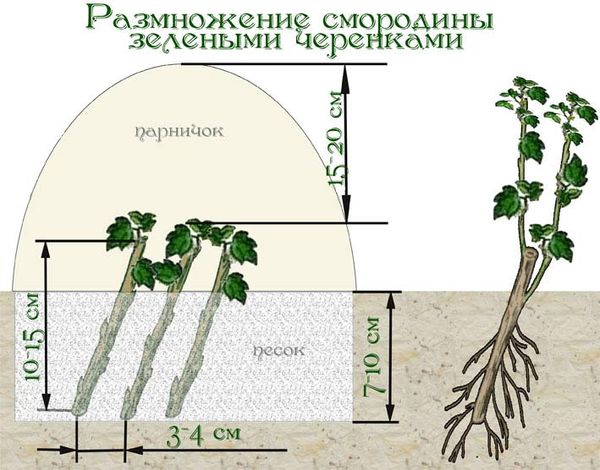
After planting the cuttings, compact the soil thoroughly with your hands and water generously with settled water. To ensure rapid establishment and disease-free growth, cover the soil with a layer of humus, which will help protect the plant from drought and overheating.
During the summer, water and mulch the soil once a month. Once the cuttings have fully established themselves, feed them with organic fertilizer. It's best to prepare your own. To do this, place bird droppings in a large container, filling about a quarter of the space, and fill the rest with water. After a couple of days, the solution will begin to ferment, then drain off the remaining liquid and use it as fertilizer. To avoid burning the plant, dilute the fertilizer with clean water at a ratio of 1:12. Nitrogen fertilizer can also be used. In this case, dilute 15 grams of fertilizer in a bucket of water.
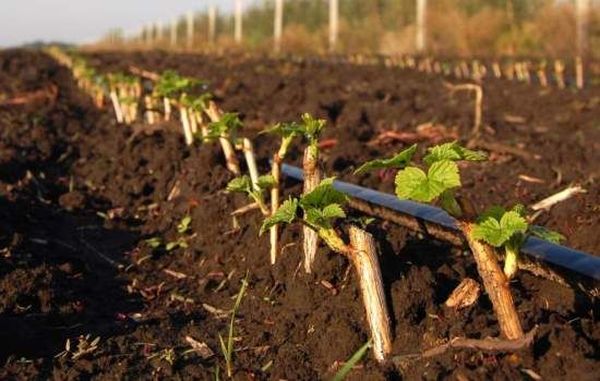
With proper care, the cuttings can be transplanted to their permanent location in the garden by fall. However, if the plant hasn't rooted well or is looking weak, it's best to leave it alone for another year. Transplant the currant bushes to the new site in regular rows, leaving 2 meters between them. This ensures that the bushes don't interfere with each other over the next few years, and that they are easy to care for and propagate. After 3-4 years, a well-established plant will begin to bear fruit.
This information will allow you to propagate blackcurrants in winter without much effort. Moreover, by taking cuttings, you can always preserve your favorite variety yourself.
Video: Pruning and Propagating Currants
This video will teach you how to properly prune currant bushes and propagate them.