
Propagation of black and red currants by cuttings in spring
Content
Advantages of cuttings
Many novice gardeners are genuinely perplexed when it comes to the need to propagate currants by cuttings. It might seem like a big deal. But if you dig deeper, you'll realize that this procedure is one of the basic requirements for caring for berry bushes for every gardener. So why should you pay special attention to it?
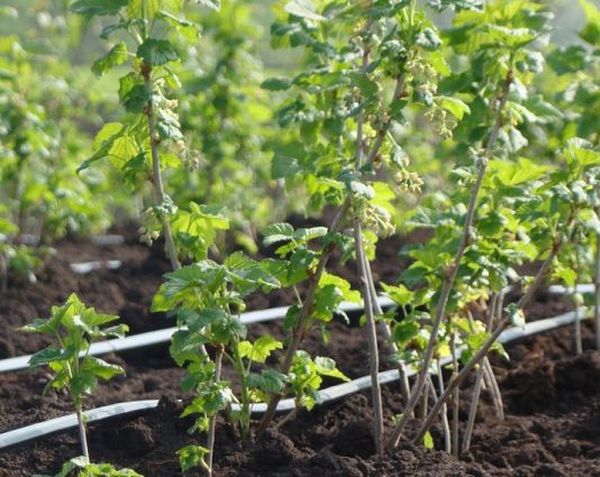
Several key factors can be identified at once:
- You can use as much planting material as you need, as its quantity is unlimited. Furthermore, by propagating currant bushes by cuttings, you can simply renew them periodically. The plant is constantly cultivated in the same spot. Over the years, even fertilizing the soil becomes much less effective. This is where cuttings come in handy. Once you master this technique, you'll be able to harvest impressive volumes of berries from your plants every year.
- Confidence that the plant will retain its species characteristics. It would seem that today's planting material market offers a wide variety of modern varieties and cultivars of both currants and other berry bushes. All the information can be obtained from specialists, retailers, or online. However, sometimes the information you receive doesn't quite reflect reality, or you haven't taken into account all the plant's fundamental growing characteristics. Therefore, it's much easier to expand your collection by propagating currant bushes. Propagating currants with cuttings in the spring is the best option. This way, you can continue to cultivate a plant in your garden that you can be 100% confident in.
- This process doesn't require significant investment. You'll agree, it's much easier to propagate existing currant bushes in the spring than to buy new ones at the market. If you want to achieve satisfactory results, be sure to master the process of propagating currant bushes by cuttings. This way, you'll always have more than enough currants in your garden.
Growing blackcurrants or other varieties is a demanding task. However, the results are worth the effort. For example, the berries you pick in the garden can be used in a wide variety of culinary applications. They can be used to make delicious jams, jellies, compotes, wines, liqueurs, and juices. There are various ways to preserve currants for the winter. Some farmers prefer to eat ripe berries exclusively fresh. Other gardeners actively dry or freeze the berries.
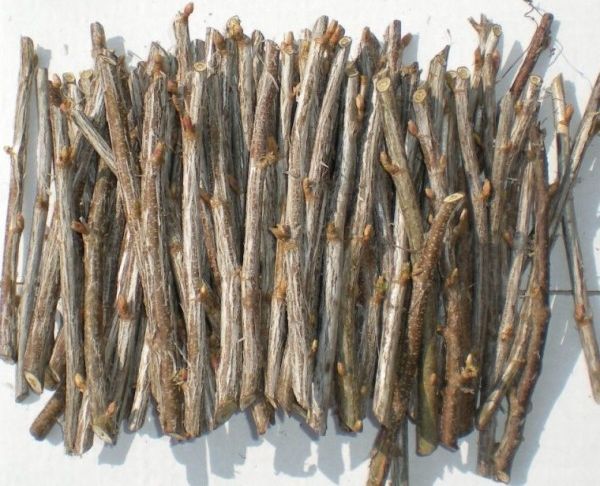
Remember: to properly propagate currant bushes by cutting, you don't need to be overly sophisticated. Even a novice gardener can quickly master the basics of this procedure.
Of course, weather factors, the currant species, and even the moon's phases can sometimes impact the effectiveness of your berry rejuvenation. Don't worry: plant a reserve of young bushes, and even if some don't take root for some reason, you'll still achieve the desired results.
Propagation of black currant
Every gardener needs to know how to propagate blackcurrants from cuttings in the spring. However, it's not just the detailed procedure that's crucial, but also the often overlooked aspects. For example, it's recommended to carefully select and prepare the soil for this process. It should be well-drained and well-aerated, so the soil is usually loosened before planting the cuttings in their permanent location.
Regular soil fertilization is essential for blackcurrants. This should be done up to four times per season. Organic or mineral fertilizers are best. Be sure to follow the instructions when diluting the nutrient mixture in water. Excessive fertilization can significantly affect the results, but not in the way you expect. The plant will then develop much more vigorously, primarily by increasing vegetative mass. The bush will also produce fewer berries. To ensure that planting blackcurrants in spring is truly successful, be sure to water the bushes regularly. Avoid allowing the top layer of soil around the plants to dry out.
How to plant black currants correctly in spring?
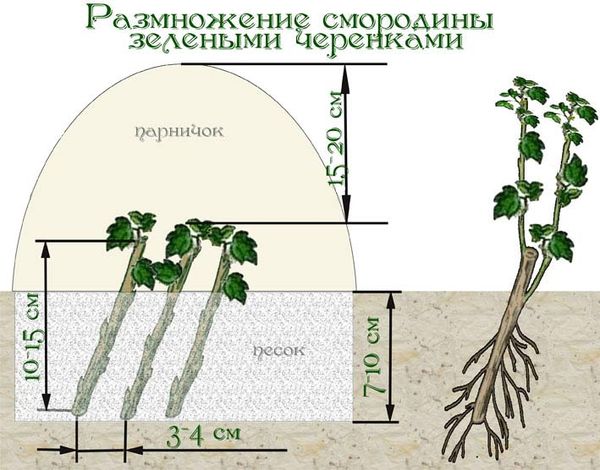
Cuttings should be planted at least 1 meter apart. The exact spacing between plants depends on the fertility of the soil. If your soil isn't particularly rich in nutrients, it's recommended to significantly increase this distance, otherwise the plants will simply "rob" each other of their last vitamins.
Pay special attention to the location where you'll plant your cuttings. The area should be well-lit, otherwise you won't be able to achieve a good harvest.
Propagation of red currant
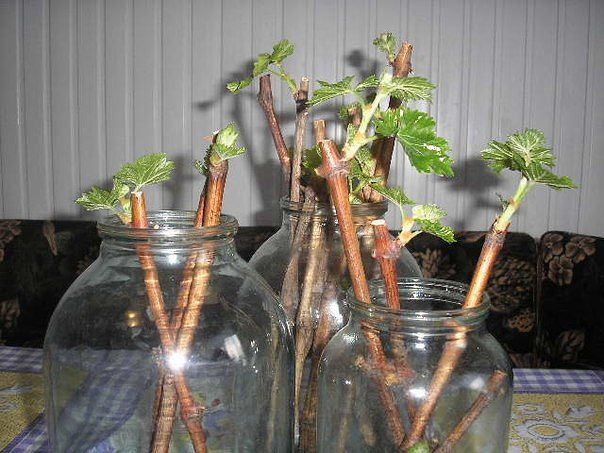
Growing currant bushes with red berries will require a little more effort. However, this process can also be quite productive if you follow all the experts' recommendations correctly. Cuttings are best taken in the first half of August. They are typically stored in the refrigerator over the winter, wrapped in a plastic bag and buried in sand. While blackcurrant cuttings are usually planted outdoors, redcurrants are recommended to be propagated first in a greenhouse or by planting the cuttings in special containers and placing them on a windowsill. Incidentally, you can use a similar method to propagate white-berry bushes in your garden.
Care after rooting
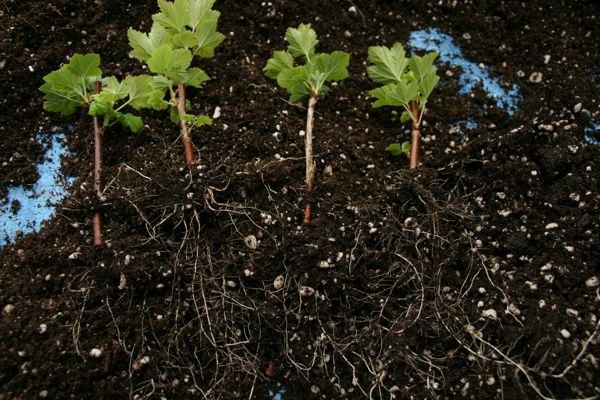
Knowing how to grow currant cuttings in the garden isn't enough for any farmer. Providing proper care for the berry bush's shoots is also essential. Only then will you reap your first harvest within a year of planting the cuttings. For example, it's recommended to initially remove spring blossoms from the bushes; otherwise, the plant will simply waste its energy.
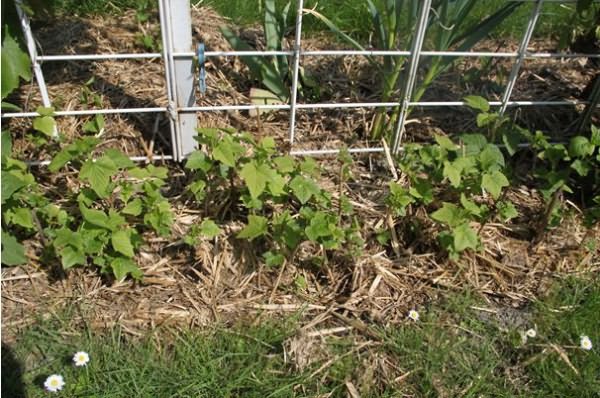
Another important detail: the soil around the shrubs needs to be loosened. Don't go too deep: the root system of young seedlings is still on the soil surface. Follow the basic rules for caring for young currant bushes, and you will certainly be pleased with the results.
Video: "Propagating Currants with Cuttings in Spring"
This video will show you how to properly propagate currants from cuttings in the spring.