
Propagation of currants by cuttings in summer
Content
Peculiarities of cuttings in summer
Many gardeners believe that currants should be propagated and replanted only in spring or fall. However, when it comes to cuttings, summer is even more preferable. In summer, future seedlings are guaranteed to be frost-free, they can be planted directly in the ground without the need for pots (as with fall cuttings), and rooting occurs much more quickly.
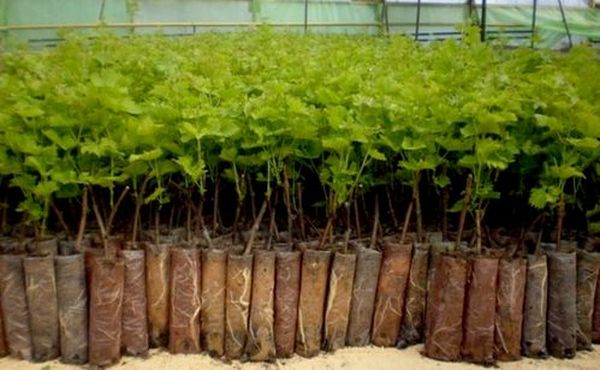
Summer cuttings use one-year-old green shoots as planting material. The best time to take cuttings is late June to July, when the bushes are in their most intensive growth phase. At this time, the young shoots are already strong enough but not yet woody, making this material very likely to survive.
You can also use the branch tips left over from pruning, but in this case, planting the material will have to take place much later, making this option primarily suitable for southern climates. Any currant variety can be grown by cuttings, but this propagation method is best suited for black-fruited varieties. Red and white currants take longer to root, and their survival rate is only 50%.
Collection of planting material
Successful propagation of currants by cuttings requires high-quality planting material. How do you choose suitable stems? Look for their appearance. The shoot should be slightly woody but still green. The key indicator of suitability is good elasticity, but not brittleness when bent, and, of course, the absence of damage or signs of disease.
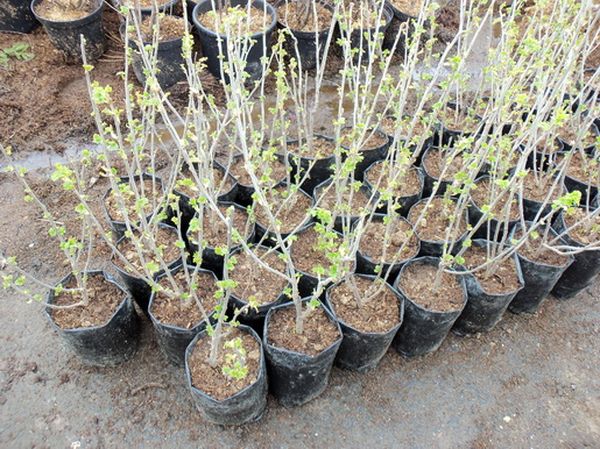
It is important to know that the tops of the shoots have a higher viability, so it is better to cut the blanks from the upper part. Each cutting should have 4-5 live buds—approximately 10-15 cm in length. The lower cut is made at a right angle, 5 mm below the bud, while the upper cut is preferably made at an angle, 2-3 cm above the bud. To prevent the cuttings from drying out prematurely, wrap them in a damp, coarse cloth.
What you need to know about summer cuttings
Growing cuttings in summer has its own unique challenges, and ignoring them can impact the quality of your seedlings. The following recommendations will help you avoid potential mistakes, properly prepare your planting material, and ensure a good harvest in the future:
- It is better to prepare cuttings on a cloudy day, or early in the morning if it is sunny;
- do not forget that the upper part of the stem is best suited for cuttings;
- for faster root formation, the lower part of the cuttings should be dipped in a stimulating solution (Heteroauxin, Kornevin 10 ml/1 l of water) for 16-24 hours;
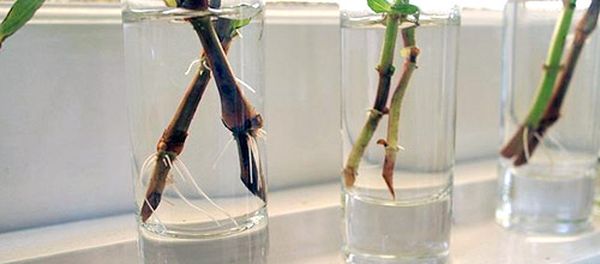
- to create a greenhouse microclimate, cuttings are planted under cover (film, glass jars, plastic bottles), which makes it easier to maintain the required temperature (25 °C during the day, not lower than 16 °C at night) and humidity (air 90-95%, soil 80%);
- the place for planting cuttings should be chosen where they will not be exposed to direct sunlight - if this is not possible, then it is necessary to take care of shading;
- For 3 weeks after planting in the substrate, future seedlings need to be sprayed with water several times a day and ventilated, removing the cover;
- As a substrate for green cuttings, it is better to use a light mixture consisting of sand and peat or compost in equal proportions.
Care after rooting
If all conditions are met—daily watering, ventilation, and maintaining the correct temperature—the cuttings will root within 15-20 days. After this, the covering should be removed, and the future seedlings should be provided with comprehensive care, allowing them to quickly gain strength and develop into fully grown bushes.
Remove the covering gradually. Initially (1-2 weeks), the film can be left on overnight, as nighttime temperatures in the second half of summer differ significantly from daytime temperatures. Misting the cuttings is no longer necessary, and watering is reduced by half.
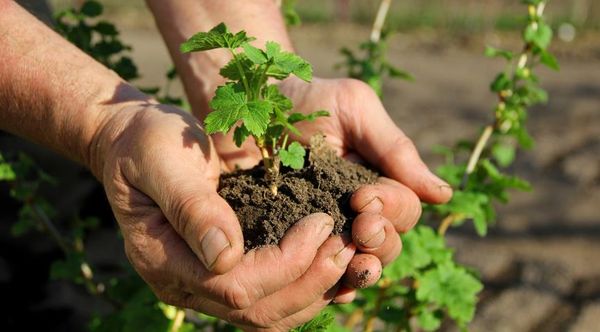
Simultaneously with reducing watering, begin fertilizing. For the first application, it's best to apply liquid organic mixtures under the roots. The nitrogen contained in the organic matter will accelerate the development of the cuttings. Mineral nitrogen fertilizers should not be used at this stage, as they will cause intensive growth of green mass, which is undesirable in late summer. Subsequent fertilizing should consist of mixtures containing phosphorus and potassium—these promote the development and strengthening of the root system.
A very important procedure is loosening and weeding the garden bed. Everyone knows that weeds are a breeding ground for pests, fungi, and other harmful organisms, so young and fragile plants should not be exposed to this risk.
It should be remembered that at temperatures above 30 °C, plant development slows down, so on particularly hot days, seedlings need to be shaded.
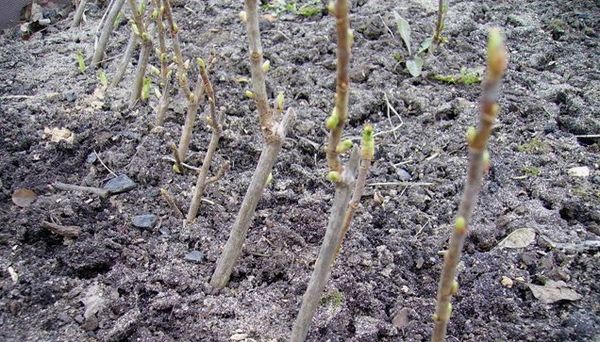
With this care, the cuttings grow into small bushes by autumn, and by the following spring, they'll be full-fledged seedlings with developed shoots. If by this time the plants have become crowded in the garden bed, they should be replanted or even transplanted to a permanent location.
Young seedlings often produce flower clusters in the first year. Avoiding this should prevent flowering, as this will weaken the bush and stunt its growth. Currants will begin to bear fruit fully in their third year, so pluck the first flowers without regret to ensure a good harvest later.
Video: Propagating Currants by Cuttings
This video will show you how to propagate currants using cuttings.