
How to propagate currants in the shortest possible time using cuttings
Content
Preparing cuttings
No matter how prolific your currant bush, after a few years you'll notice that the long-established plant is gradually withering and weakening. This is most often due to depleted soil. Currants are grown in the same spot for many years, so replanting them too frequently is unnecessary hassle for the grower and significant stress for the bush itself. Even if you regularly fertilize the soil, your harvest will sooner or later become much more meager.
What should you do in this case? Plant blackcurrants in the new plot. However, to ensure you're pleased with the results and the plant takes root well, several preparatory steps are necessary.
The first thing you need to pay attention to is the preparation of the cuttings themselves. Propagating currants from cuttings is perhaps one of the most common methods, and it's not difficult to implement. So, how do you properly prepare cuttings for planting in open ground? There are several key steps:
- The choice of cutting method depends largely on the time of year. For example, in summer, gardeners mostly work with green cuttings, while in spring and fall, they use woody shoots. The main thing is to cut the shoots needed for currant planting from the bushes that produced the best fruit and the most delicious fruit.
- If you're harvesting hardwood currant cuttings, the wood should look well-ripened. Each shoot should be approximately 15-20 cm long.
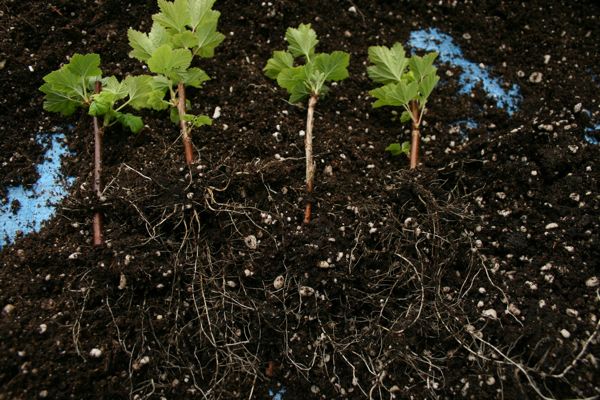
- When preparing cuttings, it's important to maintain a happy medium regarding shoot length. If they're long enough, they'll contain sufficient nutrients. However, this also means you'll need to harvest far fewer cuttings for planting outdoors.
- How to properly cut currant cuttings? First, make a diagonal cut just below the bottom bud. Make a similar cut at the top, leaving an additional centimeter of length above the top bud.
Blackcurrant bush cuttings take root and form their root system fairly quickly if you follow basic expert recommendations.
Landing conditions
Propagation of black currant by cuttings is a rather important point for any gardener. Although this process seems labor-intensive at first glance, it doesn't require anything particularly complicated. Even a novice farmer can handle the equipment for growing blackcurrant cuttings, or more precisely, rooting them. The key is to thoroughly prepare for the excavation work. This is the step that is often overlooked.
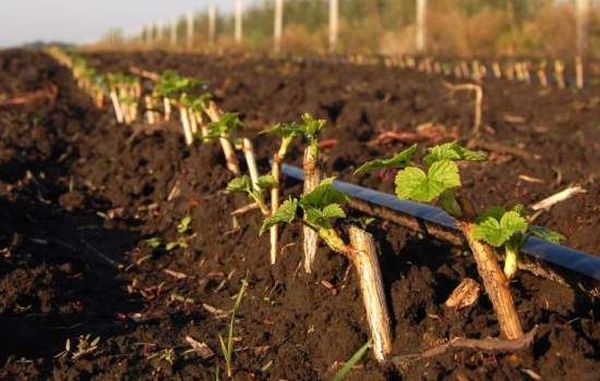
For example, start by leveling the area in your garden. First, you need to dig and level it, and then dig the trenches necessary for planting the cuttings. If you want to achieve good results when growing young currant seedlings, be sure to fertilize the soil. Currants respond best to organic fertilizers. Add a mixture of compost and rotted manure to the soil, and the bushes will grow quite vigorously.
Another important point: it's recommended to prepare the site and dig trenches in the fall, but it's best to plant the seedlings in the spring. Beforehand, thoroughly moisten the soil to ensure the cuttings take root as quickly as possible. As you know, currants won't need to be watered too frequently. The cuttings will root soon after planting them in the open ground, provided all the necessary steps are taken in a timely manner.
Planting before winter
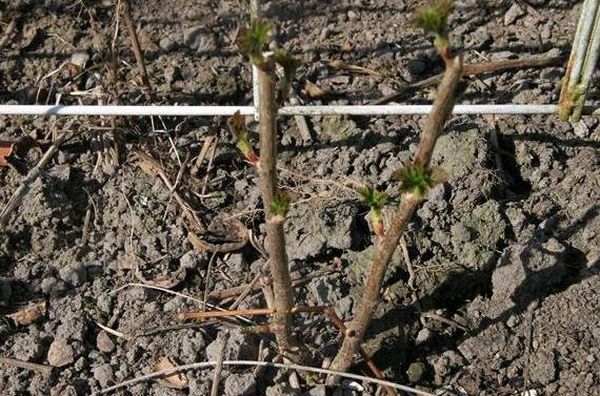
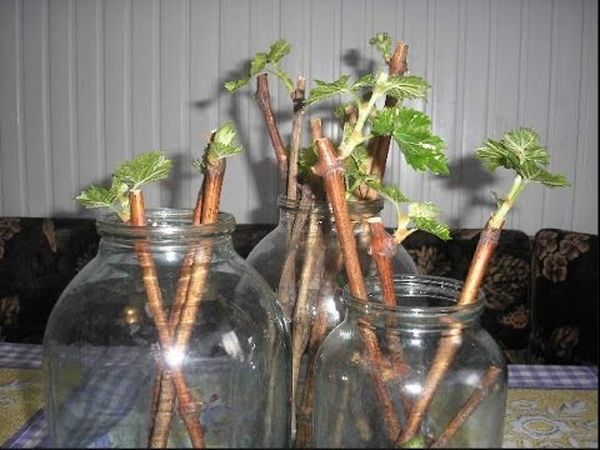
How to propagate blackcurrants? This requires not only properly preparing the cuttings for planting but also managing the planting process itself. Once the shoots are prepared, place them in a container of water for a while, ensuring they are at least half submerged. Particular attention should also be paid to site selection. The optimal location for planting currant bushes is a well-lit area, preferably sheltered from the wind. Be sure to ensure the soil is well-fertilized. If the soil is not fertile, the bush will not thrive.
What recommendations should a farmer follow when planting cuttings in open ground? Space the shoots approximately 15 cm apart. During the initial period after planting, remember to regularly moisten the soil. Water and mulch the soil to retain moisture as long as possible. What else should be considered when planting cuttings in the fall? Winter cold is coming, so you should ensure the shoots are securely covered. Use a cut-off plastic bottle or a glass jar for this purpose. This type of cover can be removed in the spring.
Spring planting
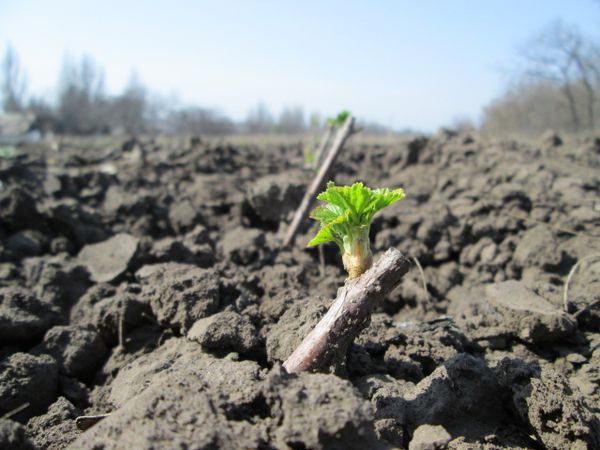
Blackcurrant seedlings can be planted in the spring, but it's best to begin as early as possible to allow the root system to develop properly. Maintain a 10 cm distance between cuttings during planting. Another important rule: ideally, leave a gap of approximately 50 cm between rows. The advantage of this technique is that it will be much easier to properly care for the young seedlings and transplant them to their permanent location at the appointed time.
Be sure to mulch the area around the tree trunk. This will maintain the moisture level necessary for the full development of your currant bush.
If you follow all the steps of this procedure correctly, you can transplant cuttings with already formed root systems as early as fall. If some seedlings seem insufficiently strong, they should not be replanted until the following spring. Planting currant bushes from cuttings is not at all difficult. The main thing is to follow the basic recommendations of experts.
General rules for cuttings
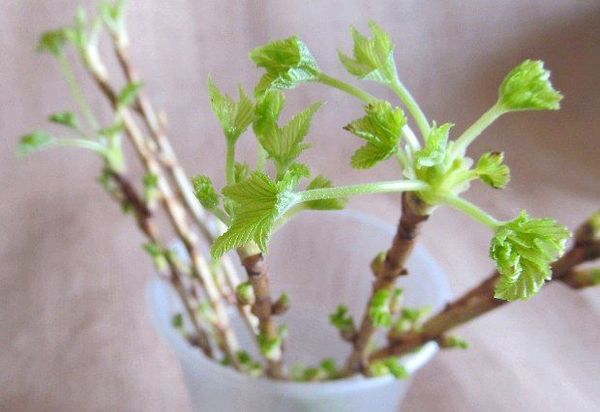
As we know, propagating currants by cuttings is a process that any gardener can undertake without any special training. However, following a few additional guidelines will yield even better results. Here are some recommendations for farmers cultivating black currants:
- Provide timely nutrient enrichment to the soil. Only well-aerated soil is fully suitable for growing black currants;
- Don't forget about fertilizing even after planting the cuttings in their permanent location. Moreover, currant cuttings will root much better if they are periodically fertilized with both organic and mineral mixtures;
- Regular watering is of utmost importance. By saturating the soil with moisture, you accelerate the shrub's growth, and it will also propagate much more readily from cuttings.
- It is recommended to remove flowers and ovaries from domestic blackcurrant shoots during the first summer season, otherwise the plant will simply waste energy.
Almost every gardener knows how to grow currants from simple cuttings. Take this matter seriously, and you'll certainly be pleased with the fruitfulness of your young currant bushes. Moreover, with proper cuttings, you can not only propagate and plant young currants but also preserve your favorite variety in your collection.
Video: Propagating Currants by Cuttings
This video will show you how to properly propagate currants using cuttings.