
Rules for planting black currants in spring
Content
Benefits of spring planting
If for some reason you weren't able to plant blackcurrants in late summer or fall, you can always do so in the spring, and within a few seasons, you'll be enjoying a harvest of delicious and aromatic berries. Spring planting should be done as early as possible; the best time is as soon as the snow melts. Knowing all the necessary tips on how to plant currants correctly in the spring will allow you to enjoy your favorite berries in no time.
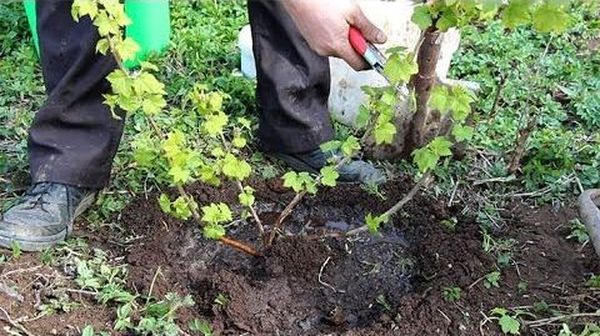
The first thing to consider is the optimal location for planting your future bushes. It's best to choose a site sheltered from the winds, with sufficient sunlight and moisture, but without excessively waterlogged soil. If the groundwater level in your area is high, this poses a serious risk to the seedling's root system—they will begin to rot and soon die.
Once the site has been selected, you can begin planting. It's best to plant the currants in prepared holes about 40 cm deep and up to 50 cm wide. Place an organic nutrient mixture mixed with the soil from the hole at the bottom of the hole. Now water the hole generously (using at least 10 liters of water), after which you can place the seedling. Make sure the roots don't get tangled, and then carefully fill the hole with soil.
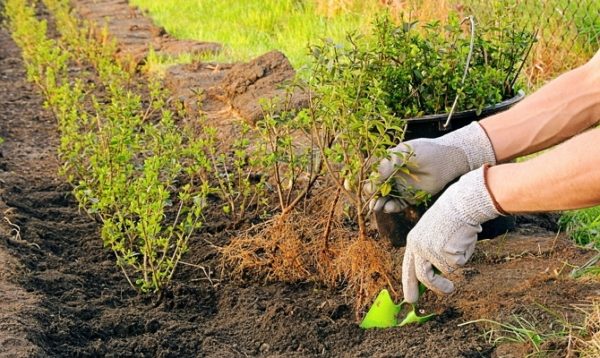
Once planting is complete, you can water the seedling thoroughly again. The most important thing to remember when planting is to be careful with the roots and avoid damaging them under any circumstances.
Another important point is the planting depth: it is better to plant currants in such a way that the root collar remains 5 cm above the ground surface.
Throughout the coming summer, young currant bushes will require only light care: watering as needed, light fertilizing, loosening the soil in the beds, and removing weeds. Properly planted and properly cared for, currant bushes will thrive and reward you with a bountiful harvest.
Key points of landing
A currant bush can produce fruit effectively and thrive in one place for ten years.
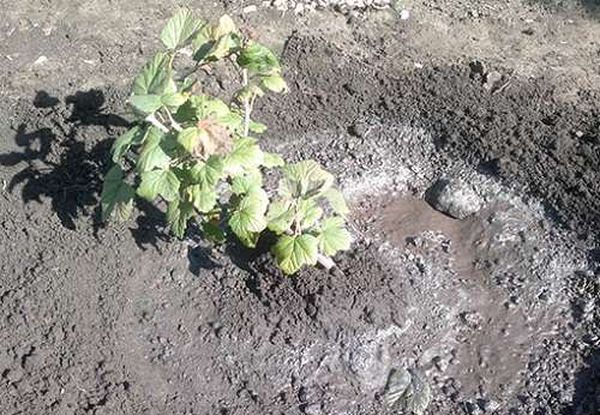
Planting blackcurrants in spring requires some preparation. This primarily concerns the location. Choose a bed sheltered from the wind but in a sunny spot, and dig a trench. Place prepared compost mixed with a small amount of soil at the bottom (never use fresh manure, as this can burn the tender root shoots). Carefully place the bush in the hole with plenty of water. Fill the hole with soil, being careful not to compact it.
Soil requirements
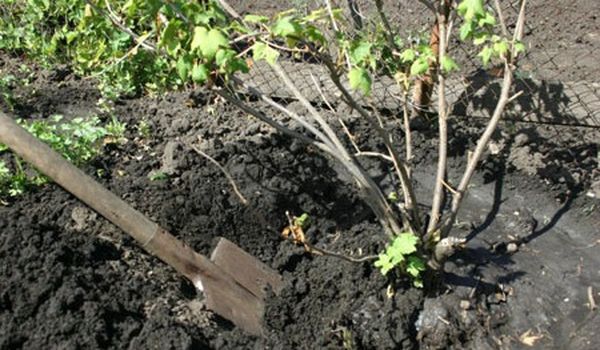
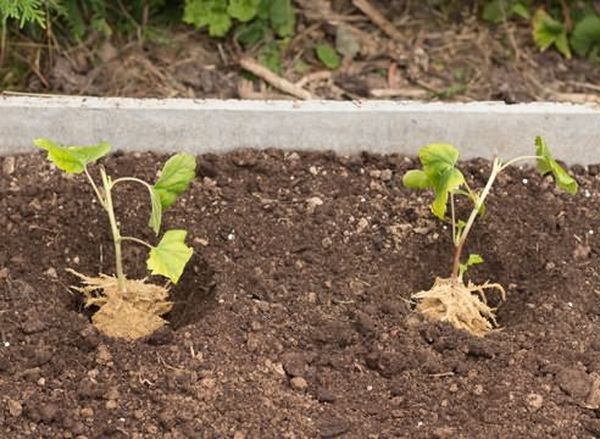
As mentioned, blackcurrants are moisture-loving plants, but they don't tolerate waterlogged soil—this is a crucial point to consider when considering how to plant currants in the spring. Regarding soil composition, currants don't tolerate overly acidic soils. Currant bushes thrive in well-fertilized, loamy soil. Another important point: check whether the soil is warm enough—it should thaw to a depth of about 20 cm by the time you transplant the seedling.
Watering
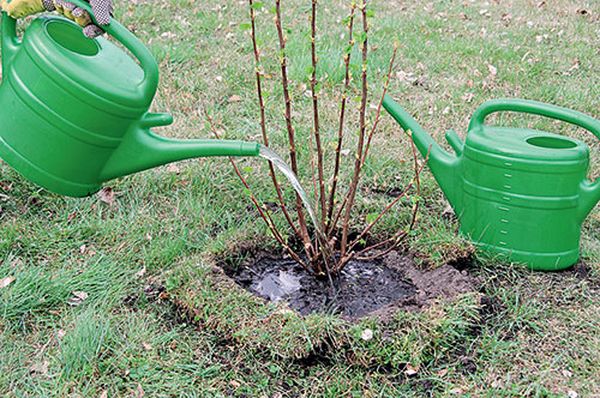
Planting currants in spring requires special attention to watering. At planting time, the prepared hole should be watered generously—at least 10 liters of water per bush. This ensures that the organic fertilizer placed at the bottom of the hole is evenly distributed throughout the deeper soil layers, effectively nourishing the future bush's root system.
If you've thoroughly researched how to plant currants and followed all the instructions, you can leave the seedling alone for a while. It will only need watering again during the period when the plant typically begins forming fruit buds. It's especially important to water the bushes during this time if this stage of the currant bush's life coincides with a dry period. In the fall, you can water the young bushes again—this is called a pre-winter watering.
Fertilizer
Currants reproduce well and thrive in new locations, provided the soil in your garden is fertile. If you're planting blackcurrants in the spring, it's best to prepare and fertilize the beds in the fall. But even if this doesn't happen for some reason, you can add nutrient mixtures directly to the planting hole, using about 8 kg of humus, 100 g of superphosphate, and 60 g of potassium salt per seedling. The next feeding is scheduled for approximately 20 days later, when you should apply about 15 g of nitrogen fertilizer under each bush.
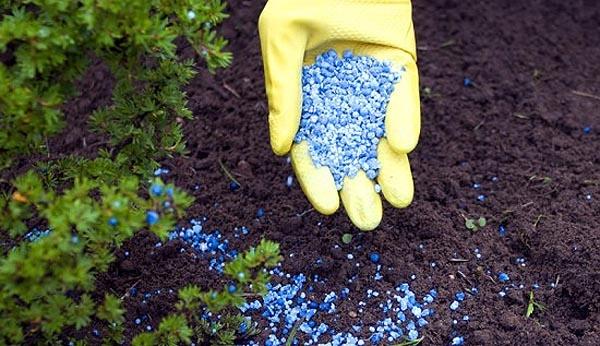
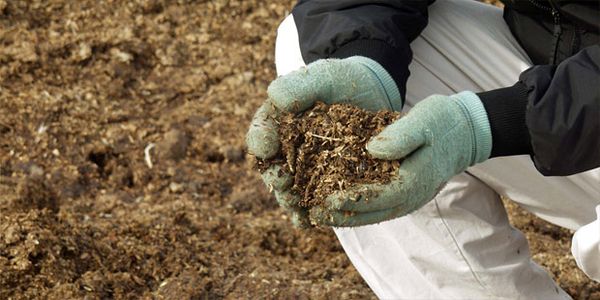
Subsequently, when the currant plant begins to bear fruit, it will need to be fertilized annually with mineral and organic fertilizers. A mixture of 20 g of potassium sulfate, 100 g of superphosphate, and 30 g of urea has proven effective. Of the latter, manure and chicken manure are the most optimal: simply steep 1 kg of manure in 10 liters of water for 3 days, add another 10 liters of water to the resulting mixture, and water the currant beds with this solution, ensuring that the water reaches directly beneath the bush. If you decide to use chicken manure instead of manure, simply double the amount of water; otherwise, the procedure for preparing the nutrient mixture remains the same.
Note for the gardener
Propagating black currants in spring involves a number of other features that we would like to discuss in more detail:
- Preparing the planting material. It's important that the mother plant from which you'll take cuttings when propagating currants in the spring is completely healthy; planting weakened seedlings will inevitably result in a diseased tree. While planting is best done in March, cuttings should be prepared a little earlier—when the buds are just beginning to swell. For cuttings, try to choose branches that are at least 5 mm thick at the base and about 20 cm long. It's crucial to make the cut correctly: use a sharp knife, carefully, and quickly; pruning shears are best.
- Planting pattern. If you're planting more than one currant seedling, try to arrange the bed so the plants are staggered. This will ensure each bush receives the optimal amount of sunlight, ensuring a bountiful harvest.
- Formative pruning is essential. Knowing how to propagate blackcurrants isn't enough; you also need to care for them properly. Regular pruning is a crucial step. Blackcurrants require annual pruning, as older vines are reluctant to bear fruit. Furthermore, pruning old vines evenly distributes the load on the bush, increasing yield. Another important point is the removal of damaged or frozen shoots. Pruning should be done in early spring, before the sap begins to flow and the buds open. The next time you'll need to pick up the pruning shears is in the fall, to remove unwanted young branches: those located above ground are a breeding ground for pests.
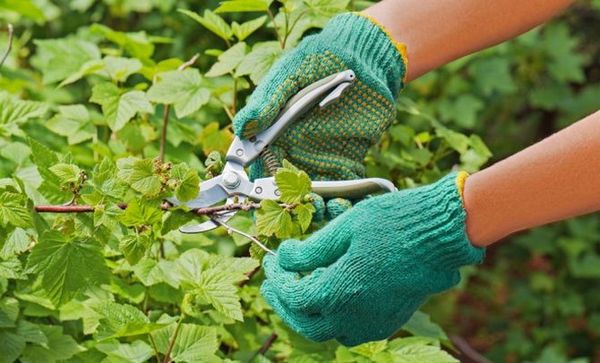
- Preparing for winter. It's time to start thinking about how to protect your currant bushes from the approaching cold weather as early as October. First, perform the sanitary pruning described above. Next, dig up the soil around each bush, but don't overdo it, otherwise the roots may freeze. Now we begin mulching, using fallen leaves, sawdust, hay, or even sunflower seed husks. With the arrival of the first frost, each bush should be wrapped with rope: this is necessary to prevent branches from rubbing against each other, as most shoot injuries are caused by frozen branches breaking in gusts of wind. When snow falls, sprinkle each currant bush with it, repeating this process several times. Ideally, the snow cover on the bush should reach 15 cm. Thanks to this snow "coat," the plant will be able to withstand even the harshest frosts. You can try to organize a protective shelter - any material you have on hand will do for this purpose: old blankets or cardboard boxes;
- Protection from spring frosts. Another tricky period when currant bushes may need shelter is in the spring, when the buds of future flowers are forming. It's at this time that there's a high risk of returning night frosts, which can destroy all the developing buds. So, it's better to be on the safe side and cover the plants after thoroughly watering them.
These are all the simple rules you need to follow to ensure consistently high yields of your favorite garden berries. Despite the apparent complexity, the process is quite simple; just try it once, and everything will be a breeze!
Video: "Currant Planting Guidelines"
This video will show you how to properly plant blackcurrant bushes.