
The technology of planting currants in autumn using cuttings
Content
Preparation of planting material
Propagating currants isn't easy. It requires a thorough understanding of the theory to develop a precise plan. Recently, propagation by cuttings has become particularly popular. It's straightforward, but you'll need to consider preparing the cuttings. To do this, try to identify several of the most productive bushes during the summer. These should not only produce a good harvest, but also be free of serious diseases or pests in the spring and summer.
Farmers don't always pay enough attention to disinfecting their tools. Yet, this process is crucial. When cutting branches, you can easily introduce an infection to the plant if you don't thoroughly disinfect your scissors and other tools beforehand. Another important point: scissors must be sharpened, otherwise the cuttings will be uneven and slightly chewed, which is not desirable for the plant.
Root shoots or smooth shoots are best for cuttings. The middle part of the shoot is best for harvesting, so it is usually cut on both sides. Sometimes, several shoots can be taken from a single bush, from which you will eventually obtain approximately 20 cuttings.
The period of harvesting cuttings
Propagating blackcurrants from cuttings is a process that's quite important for every farmer. In addition to preparing the planting material, it's also important to determine the optimal time for this procedure. Interestingly, expert opinions differ. Many believe this should be done before winter. However, if the cuttings are planted too late, they may simply not have time to take root before the cold weather sets in. For example, redcurrants enter their dormant phase in mid-December. This is also a good time to plant cuttings from the bush.
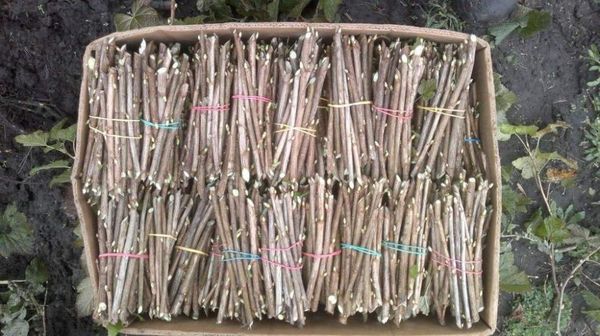
Planting currant cuttings in the spring is also quite effective. However, this procedure should be performed as early as possible. Cuttings should be prepared in the fall. If they are already strong, they are transplanted to a permanent location; otherwise, they are left in a special shelter. Another option is to plant cuttings in the summer. In this case, it is advisable to take the cuttings in cloudy and cool weather.
Selecting soil
Each currant variety requires its own soil type. While farmers may not always adhere to these recommendations, it's preferable. For example, red and white currants thrive in light and sandy loam soils, but also thrive in loamy soils. Black currant bushes prefer neutral, heavy to medium loamy soils.
Once a site for planting currant cuttings has been selected, it's recommended to thoroughly prepare the area. First, level it. Weeds should also be removed, especially those that are already firmly rooted in the soil. They greatly hinder the growth of young currant seedlings. Once the area is completely clear, it should be thoroughly dug over. But first, you'll need to fertilize the soil. For this purpose, add a bucket of humus or compost.
You can also add phosphorus-potassium fertilizers to the soil nutrient mixture. If you decide to plant the cuttings in a permanent location in the fall, it's best to dig the holes 2-3 weeks before transplanting. If you prefer to plant the cuttings in the spring, prepare the holes in the fall. Proper soil preparation will help you achieve excellent results when propagating currants from cuttings.
Features of reproduction
Propagating currants by cuttings in the fall or spring is a process that requires the utmost care. This requires paying equal attention to choosing the planting site, preparing the cuttings themselves, and so on. It's especially important to thoroughly understand the key aspects of currant propagation, such as planting density. This will depend on several factors:
- Soil fertility. If the soil in which you plan to grow young currant seedlings doesn't have a specific nutrient profile, you should leave more space between the bushes to ensure each plant receives its full nutritional needs;
- The degree of illumination of the area. Space between shrubs is also necessary because the plant requires a lot of sunlight;
- The future shape of the bush's crown. If you plan to form a dense crown, you will certainly need more space between plants.
So, the key aspects of propagating and planting currant seedlings lie primarily in soil preparation. About 2-3 weeks beforehand, the garden area needs to be dug and holes dug for the future bushes. If you do everything at the last minute, the seedlings may simply not take root.
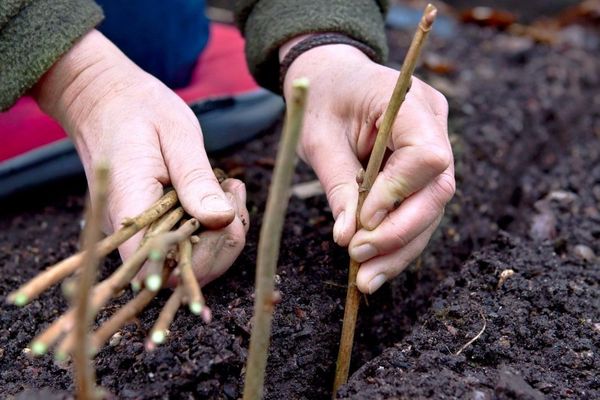
For those who decide to carry out this procedure before winter, the following point will be quite important: it is recommended to place the shoots in the hole at a 45-degree angle. Otherwise, after the ground freezes, they will be forced to the surface, where they will die from severe frost.
Green cuttings
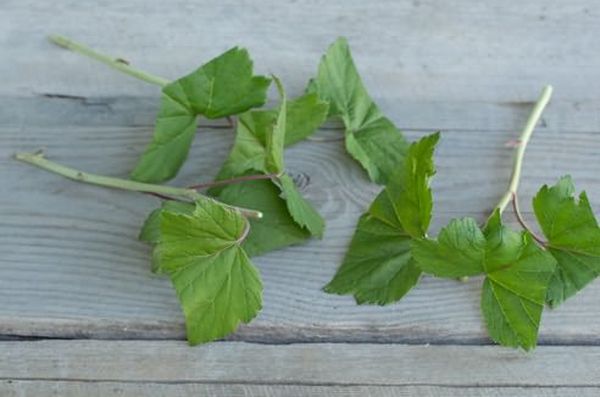
Gardeners typically use this method of propagating blackcurrants when they were unable to harvest woody shoots in advance. There is a solution, but each step must be completed in order:
- As a rule, cuttings should be taken in the morning. If the weather is rainy, the time of day is irrelevant. Then, they are trimmed until each one is approximately 15 cm long, with the lower leaf blades trimmed almost in half.
- It is recommended to prepare green cuttings for planting by soaking them in a growth stimulant solution for about a day;
- After planting the cuttings in open ground, cover them with glass jars or plastic bottles. This will help the currant shoots root more quickly and maintain a stable humidity level.
- A month after planting the cuttings, you can gradually uncover the shoots for short periods. Once the plant has fully acclimated to the fresh air, the jar can be removed completely.
Green cuttings can also be planted in greenhouse conditions, in which case caring for them is not particularly difficult.
Lignified cuttings
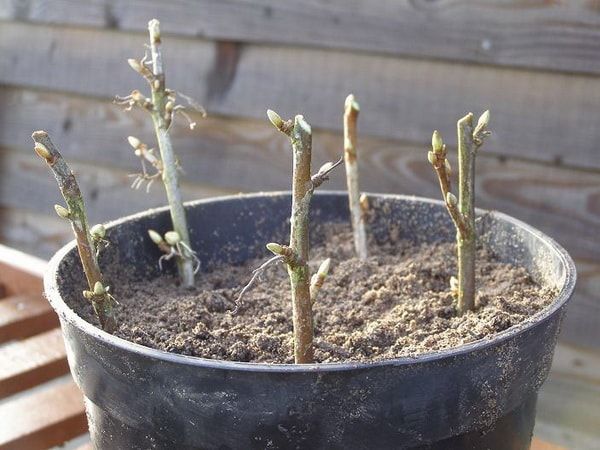
Planting currants in the fall using hardened cuttings has proven highly effective and is therefore valued by Russian farmers. This procedure is performed either in the spring or fall. Cuttings are taken from healthy, full-grown bushes and then placed in a special "cutting pit": trenches filled with nutritious soil mixture and compost, prepared in the fall. After planting the currant cuttings, the top layer of soil is always mulched with peat or humus. This will help retain moisture in the soil.
Post-transplant care
It's important not only to properly prepare cuttings and plant them in their permanent location in open ground. Care for currant shoots is essential if you want to achieve excellent results. What does this care entail? It involves following a few basic recommendations: regularly watering the soil and maintaining high humidity.
Typically, after the first three weeks of planting, the cuttings will finally begin to take root, so you can reduce the intensity of watering and then fertilize the plants. In a year, the seedlings you selected and planted in the ground will grow into a full-fledged currant bush, which will delight you with abundant harvests. The key is to complete all stages of this process correctly and in a timely manner.
Video: "Propagating Currants with Cuttings in Autumn"
This video will show you how to properly propagate currants in the fall using cuttings.