
Technology of planting black currants in autumn
Content
Planting dates in autumn
Planting blackcurrants in the fall covers a wide range of timeframes. The appropriate date varies considerably from region to region. Most often, it ranges from late August to early October. The key is to plant them right when the currants have stopped producing fruit and their leaves are beginning to dry out and fall off.
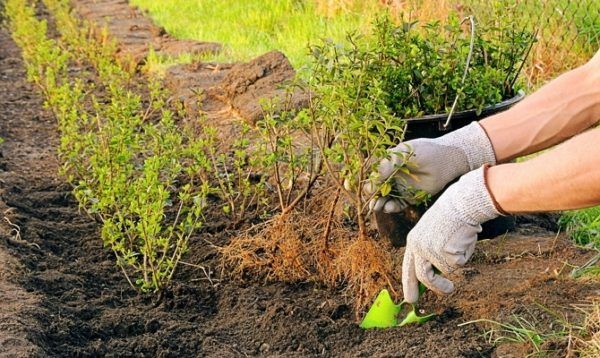
This matter should not be put off until the last moment. The best option is to plant a few weeks before the first frost, or better yet, even earlier. This makes it much easier to navigate. Within 2-3 weeks, the currants have time to take root and are then resistant to any weather conditions.
Selection of seedlings
To ensure the desired yield and make autumn currant planting worthwhile, it's important to select the right planting material. First, you need to learn about the varietal success in your region, as not every currant is suited to a particular climate, weather, or soil. After selecting a variety, you need to decide whether to plant seedlings or cuttings. Since the latter method is only suitable for warm regions and appropriate weather, planting bushes is most often the preferred method.
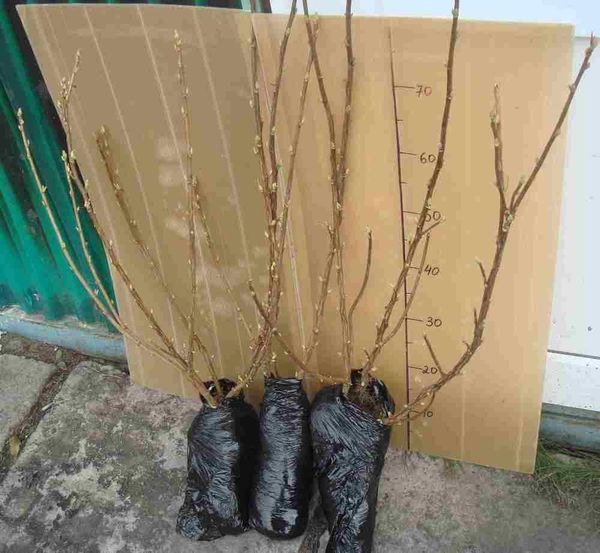
To ensure planting success and timely fruiting, choose bushes that are one to two years old. They thrive in new locations. One-year-old bushes are characterized by their small, thick roots, shoots less than 30 cm long, and numerous thin rootlets. A two-year-old seedling already has a more developed root system—two to three semi-woody roots, 15-20 cm long.
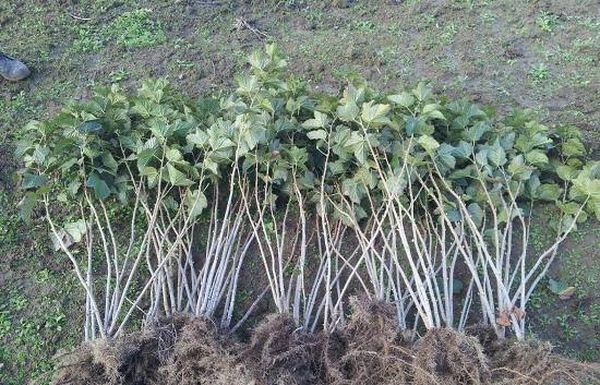
These bushes take root best and begin producing their maximum yield at least a year earlier. Carefully inspect the roots of the bush you choose—they should have no broken main roots and a minimal number of damaged root shoots. The seedling should not appear weakened or unhealthy.
Purchased currants should be planted immediately to avoid letting them dry out completely. If there are still green leaves on the shoots, don't wait, as they will drain the plant of moisture and energy.
If you're planning a long journey or need to wait a while before planting, wrap the root system in thick, damp gauze or burlap, then cover it with plastic. This will help preserve the currants' nutrients and prevent them from drying out.
Soil preparation
The soil for currants must be prepared in advance to ensure a good harvest. First, level the planting surface and dig it to the depth of a spade. The holes for the seedlings shouldn't be too large; 50 cm deep and wide is sufficient. This space will be sufficient. There's no point in planting the bushes in clean soil.
Currants respond well to fertilizer. To prepare a fertile soil mixture, mix the soil with well-rotted manure, ash, compost, or humus. Pour some of the mixture into the hole and add water. Then, spreading the roots well, place them in the hole, cover with the mixture, and water thoroughly. Remember that when using horse manure, you should also add sawdust, fallen leaves, or straw. If your soil is acidic, add chalk, slaked lime, or ground limestone.
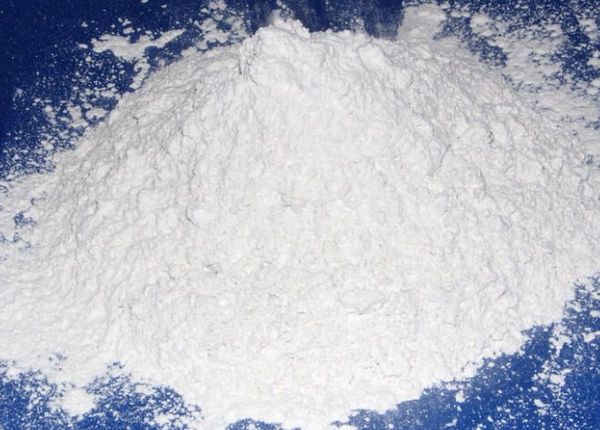
If you don't have organic fertilizers in your garden, you can use mineral fertilizers—they work just as well. However, to protect the roots from burning, apply a layer of potting soil first, then a mineral fertilizer, and then another layer of potting soil. Then, plant the currants.
Planting options
The answer to the question of how to plant currants is simple: when planting currants, remember that they prefer a sunny location, although they tolerate some shade quite well. The problem is that they produce much less fruit in constant shade than in full sun. These bushes don't like overly acidic soil, so choosing a site should be done carefully. Before planting, remove any damaged roots and shoots from the seedlings. If the roots do dry out during transport, place them in a container of water for several hours.
Bush
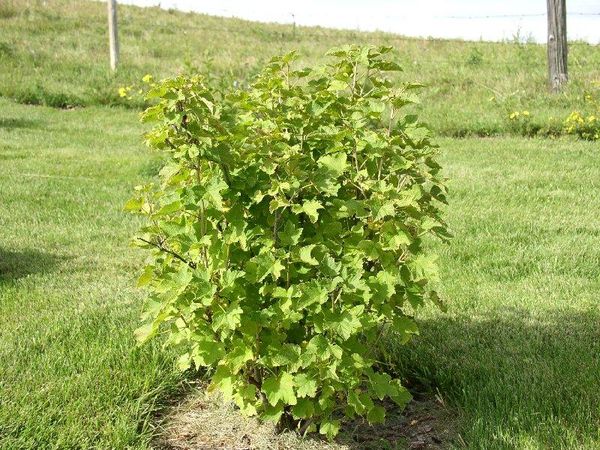
If you're planting a common currant bush, remember this little trick: place it in the hole at an angle of approximately 45°. Seedlings planted this way will be able to grow evenly in width and distribute nutrients the following year, thanks to the new shoots growing from the soil without interfering with the older branches. The root collar should be 5-8 cm deep. To ensure this, prepare the holes several weeks before planting. This will allow the soil to settle, and you'll be able to see exactly how deep the bush needs to be.
It's important to maintain the distance between the bushes. It should be at least 1 m, but 1.5 m is ideal. After the hole is completely filled with soil, make a furrow around its edges and fill it with water. Next, be sure to mulch the soil to prevent a crust from forming on the soil.
Immediately after planting, trim the shoots, leaving 10-15 cm above the ground so they have 4-5 buds. The cut sections can be stuck into the soil—they'll likely root and be ready for replanting.
Trellis
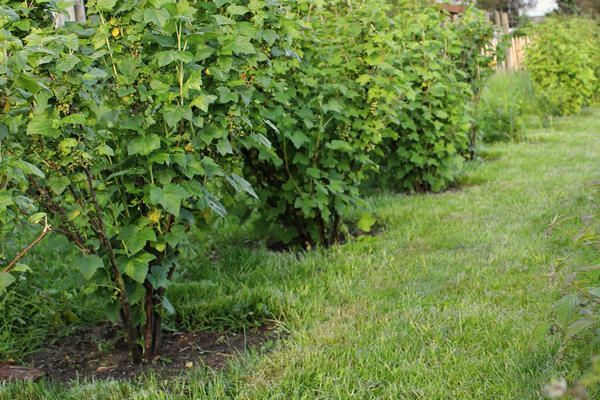
Growing currants on a trellis is a good option. This is convenient because all the berries are at the same level, and there are no extra shoots at the bottom of the bush. The largest berries grow at the top of the trellis, and fruiting is accelerated because the entire bush receives the necessary solar energy.
To plant seedlings this way, trellises measuring 50 x 120 cm are stretched. Only two strongest shoots are left from the entire bush, tied in two places. The rest are cut off at ground level. The following year, after the fruit has been harvested, the shoot pruning procedure is repeated, leaving two. In the third year of fruiting, three-year-old branches are pruned, leaving two young shoots in their place. This procedure is repeated for several years.
With this system of bush rejuvenation, the risk of disease and pest damage is reduced, because the weak link - branches aged 3-4 years - are cut off in a timely manner.
Standard
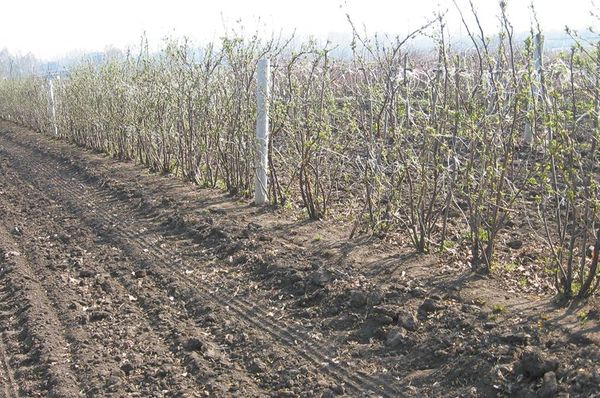
The standard method of growing currants is also of considerable interest. It is only suitable in areas where frost damage to the branches is virtually impossible, with a choice of varieties, and without a large number of new shoots and new growth each year.
Currant bushes should be planted using the standard method, using a 50x200 cm pattern. In the first year, fruiting occurs on growths of 50-80 cm, and in the second year, at 40 cm. It takes 4 to 5 years to form a standard about 5 cm thick. Old branches are pruned, leaving only a few buds. This renews the bush. To prevent shoots from spoiling the standard shape, a one-year-old basal shoot is left, which is regularly replaced by a new one.
Post-planting care
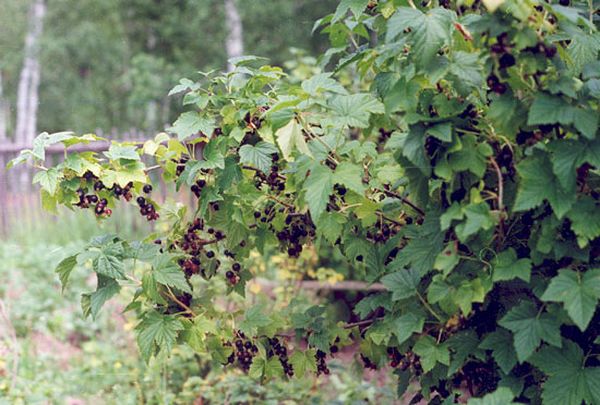
After planting currant bushes, you want a bountiful harvest. To ensure this, remember to water them regularly and remove weeds early in the season. Before each fruiting season, apply mineral and organic fertilizers. Don't forget to prune the bushes to maintain their shape and remove any diseased shoots.
If you follow simple rules, you are guaranteed an excellent currant harvest!
Video: "Currant Planting Guidelines"
In this video, a specialist will explain the rules for planting black currants.