
Planting and caring for red currants in autumn
Content
Why plant in autumn?
Experienced gardeners generally prefer to plant young currant bushes in the fall rather than in the spring. More specifically, the optimal time for you is September. Why is it recommended to plant currants in the fall? This is because this plant is susceptible to drying out, especially in early spring. Therefore, planting seedlings at a time when this plant is susceptible to drying out can result in the loss of your bushes.
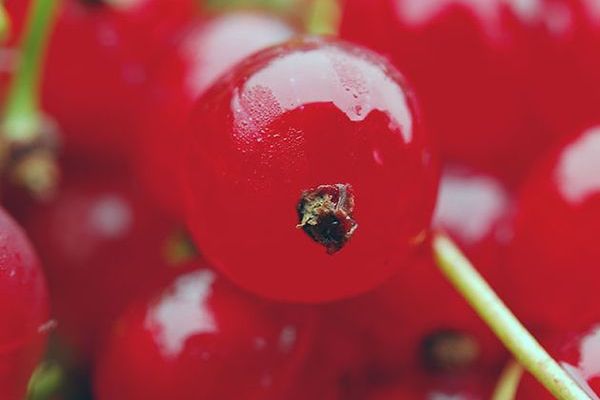
If you plant in the fall, the young bushes will have time to firmly establish roots and grow strong before spring. This means you'll have your first harvest as early as the next season, without affecting the bush's growth. Therefore, if your goal is a quick and bountiful harvest, it's recommended to plant your seedlings exclusively in the fall.
Planting in autumn
Each stage of growing currants at home in the garden is important in its own way for every gardener. Therefore, planting red currants in the fall is a procedure that must first be studied theoretically and only then applied in practice. It might seem simple enough. But if you want to achieve great results in this process, then try to delve deeper into the subject.
The first step is preparing the holes. They are dug three weeks before planting the seedlings. The hole should be approximately 40 cm long and 60 cm wide. Then, fill the bottom with a bucket of compost and add some complex mineral fertilizer. Top this with a fertile layer of soil and water thoroughly. This will significantly compact the soil into which you'll soon plant the young, fragile seedlings.
Once the allotted three weeks are up, the plant undergoes its final preparation: it is pruned and then planted directly into the ground. By following all these recommendations, you will ultimately obtain a lush bush that will produce ripening fruit.
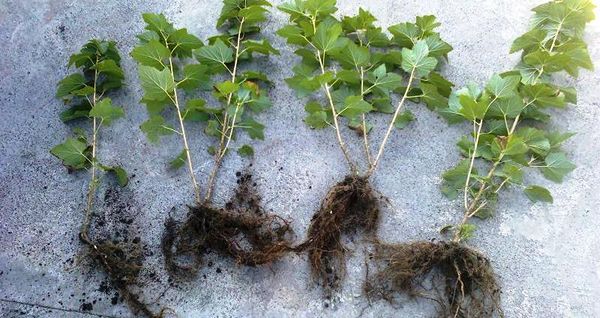
Remember one important detail: it is recommended to plant seedlings deeper into the soil not in the fertilizer layer, but much higher, directly into the earthen embankment layer.
Otherwise, the bush will begin to grow vigorously and turn green, but fruiting will slow down and will not yield the desired results. Once the plants are planted, it is recommended to mulch the bare soil around the bush with hay, straw, peat, or dry leaves. This will help retain moisture in the soil for much longer.
Choosing the soil
While it's important to follow key rules, one of the most important requirements is planting the plants in the appropriate soil type and, in general, carefully choosing the location for the bushes on your garden plot. First of all, choose a sunny spot for your future currant mini-plantation. Bushes love sunlight, and their yield depends significantly on this.
As for the soil types considered most optimal for currant bushes, these include light loamy soils and sandy loams with a slightly acidic reaction. It's also crucial to protect young seedlings from strong winds. For this purpose, experts recommend planting currants near fences or other hedges. The key is to avoid waterlogged soils in your area, as this can be quite difficult for the plant. Otherwise, red currants thrive in a variety of conditions.
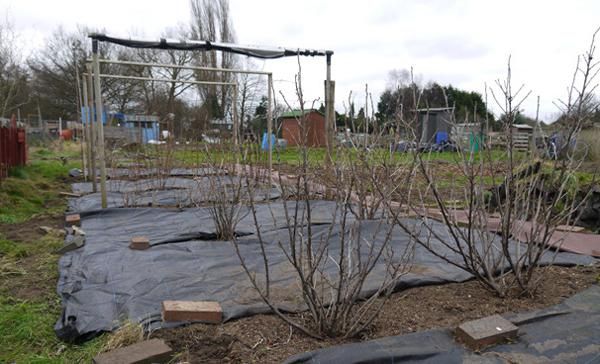
Preparing seedlings
Red currant cultivation involves more than just planting and care; it also requires a lengthy and labor-intensive process of preparing the bushes for planting. It's recommended to carefully consider the selection and purchase of plants, as their survival and subsequent growth rate depend on this. Be sure to pay attention to the root system of the seedlings: it should be somewhat woody.
Carefully inspect the stems and leaves as well. Make sure there's no damage. It's also best to have several shoots on a single seedling. Remember: if the bark is green, it's best not to buy the plant. It's likely not yet mature, and planting it in the ground won't yield the desired results.
Pruning and shaping the bush
Planting red currant bushes indoors in the spring, as has already become clear, is not the best solution for a gardener. These requirements must be followed. Proper bush care is crucial. For example, special attention should be paid to pruning and shaping the bush. This procedure should be performed infrequently. The main thing is to remove shoots that are more than 6-8 years old, as they will no longer produce large quantities of berries. Broken, drying, and low-yielding branches should also be removed, as they simply waste the plant's energy.
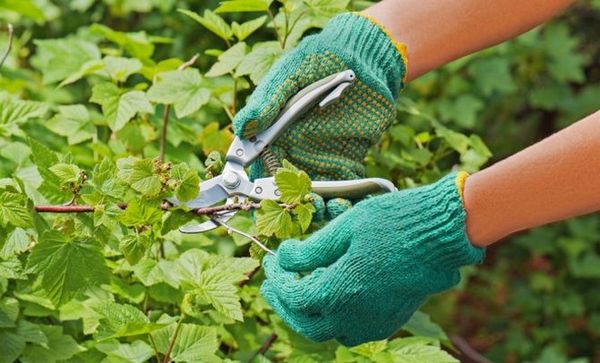
Remember that not only the quality of the rejuvenation procedure is important, but also its appropriateness. Pruning is recommended either in early spring, before active sap flow begins, or in the fall, after it has ended. For those who want to give their bushes a decorative appearance and significantly simplify their maintenance, espalier training of red currants may be the best option. This will ensure even sunlight exposure, making it easier to harvest the fruit. Furthermore, espaliered bushes are considered much less susceptible to various diseases.
Post-planting care
If your indoor pink currant bush is successfully planted, that doesn't mean you can forget about it until the berries ripen. Special attention should also be paid to constructing a special support for the bush. This device will regulate the upward direction of the branches, preventing them from touching the floor. This is beneficial because it preserves the decorative appearance and the berries themselves: if the branches are constantly "lying" on the ground, the fruit can not only become dirty but also rot.
Watering the plant is also important. Currants aren't exactly moisture-loving shrubs, but during the ripening period, saturating the soil with moisture is essential.
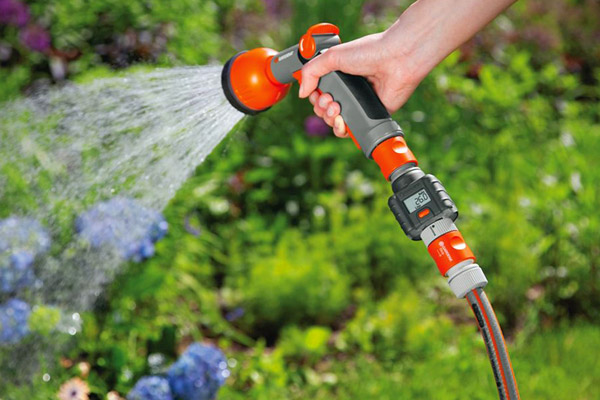
If you mulch the top layer of soil well, you will need to water the soil much less.
Fertilizers and dressings
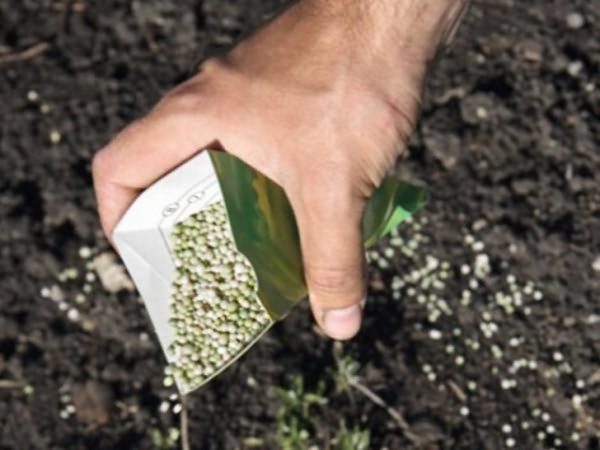
While you're growing a young plant, don't forget to fertilize it regularly. Choose mineral mixtures that contain high amounts of potassium. To avoid erratic fertilization, follow a specific system:
- In early spring, it's best to use nitrogen fertilizers for soil nutrition. You can also use a solution of superphosphate, compost, and potassium sulfate;
- Urea or ammonium nitrate—these mixtures are suitable for re-fertilizing red currants. After the flowering phase, you can water the soil with a solution of chicken manure or liquid mullein;
- In the autumn period, it is also better to give preference to superphosphates and potassium chloride.
You can enhance the effect of applying fertilizers to the top layer of soil by mulching the soil.
Remember that for a truly bountiful harvest, it's recommended to also plant blackcurrants where you've planted redcurrants: a mixture of different varieties will improve yield. Take care of your currant patch, and you'll truly appreciate the taste and aroma of ripe berries.
Video: Planting and Caring for Red Currants in Autumn
This video will teach you how to properly plant and care for red currant cuttings in the fall.