
Rules for planting and caring for black currants
Content
Landing rules
The best time to plant currants is autumn, specifically late October. The key is to time the planting so the seedlings have time to take root. This will allow the soil around the plant to compact sufficiently over the winter, allowing the plant to fully establish itself. Once the spring warmth arrives, the bush planted in the fall will begin to thrive. Another important consideration is choosing the right planting location. Currants are considered moisture-loving but do not tolerate drafts well.
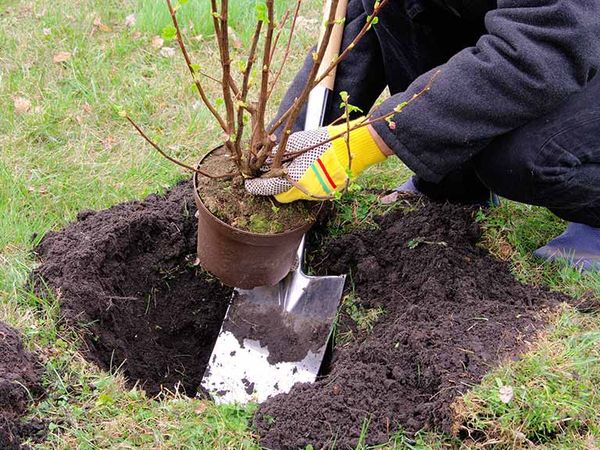
Planting blackcurrants, like other garden crops, must be done according to certain rules (if, of course, you want the currant bushes to bear fruit actively). Don't forget about the young plant once it's been planted. First of all, it's essential to prepare the garden site in advance—carefully level it and fill any gaps with soil.
The planting scheme is as follows: for each currant bush, dig a hole 40 cm deep and at least 60 cm in diameter, with the distance between the bushes no more than two meters. Place a bucket of compost and about 100 g of potassium fertilizer (such as charcoal) in each hole.
When planting blackcurrants, it's best to use seedlings that are at least two years old and have developed a well-developed root system—approximately 20 cm. Before planting, inspect the shoots of the selected seedling—they should be free of any signs of infectious or fungal diseases and at least 30 cm in height.
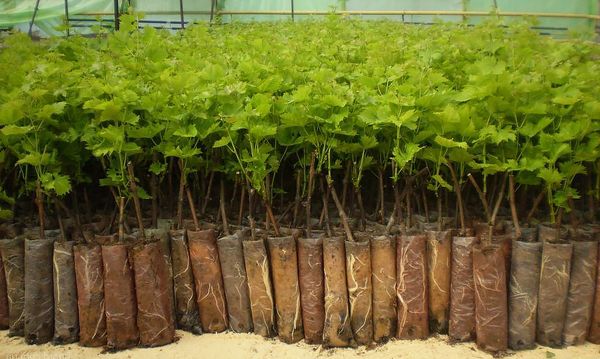
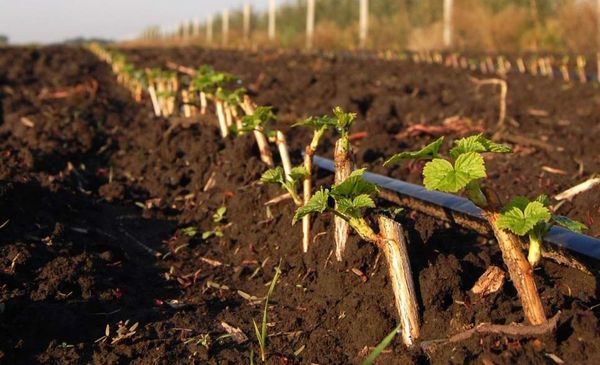
Experienced gardeners have another secret for planting currants correctly: plant them at an angle, placing the seedlings at a 45-degree angle. At least two buds should remain above the soil surface. Proper planting will ensure the plant's safety during the winter cold: the frozen soil will not be able to "push" the seedling upward, and it will survive the winter safely.
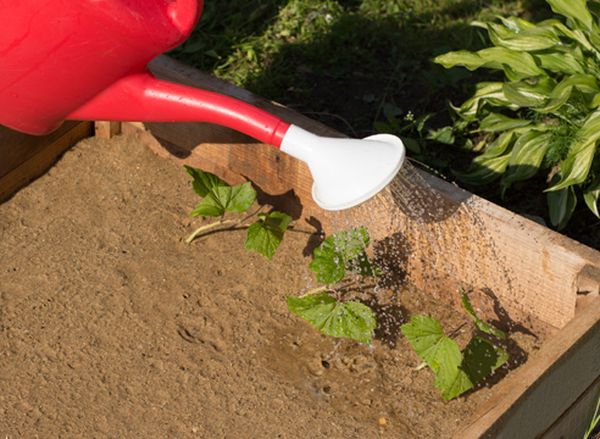
When the blackcurrant planting is almost complete, all that remains is to water each bush generously (using at least 1 bucket of water), carefully compact the soil around the plant, and don't forget about a layer of protective mulch (for this you can use straw, peat, compost, or fallen leaves).
Currant bushes are considered cold-hardy plants, but it's not the harsh winter cold that poses a threat to them, but rather late spring frosts: if the buds on the shoots have already begun to grow, even a light night frost can completely destroy them, thereby depriving you of a significant portion of your harvest.
Conditions
In addition to the well-known rules for planting various blackcurrant bushes, let's talk in more detail about the intricacies of choosing the right location.
Selecting soil
Before planting currants, pay attention to the composition and characteristics of the soil in your garden: just because a crop loves moisture doesn't mean it will thrive in a swampy area. The plant requires well-moistened but well-drained soil. In terms of soil composition, blackcurrants are best planted in light, slightly acidic loam.
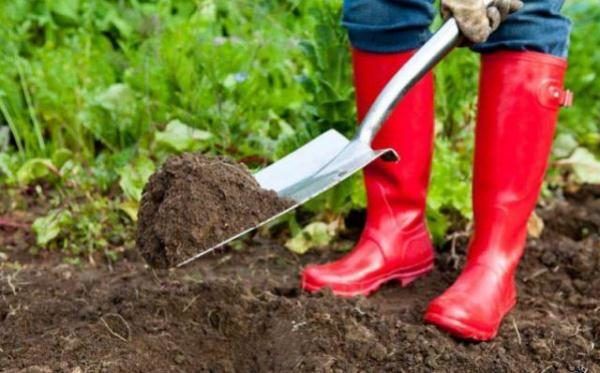
The nutritional value of the soil is also of no small importance: before planting black currants, the entire selected area must be thoroughly dug over (at least to the depth of a spade), while simultaneously adding nutrient mixtures at the rate of 4 kg of humus, 20 g of potassium sulfate and 100 g of superphosphate per square meter of the bed.
Choosing a location
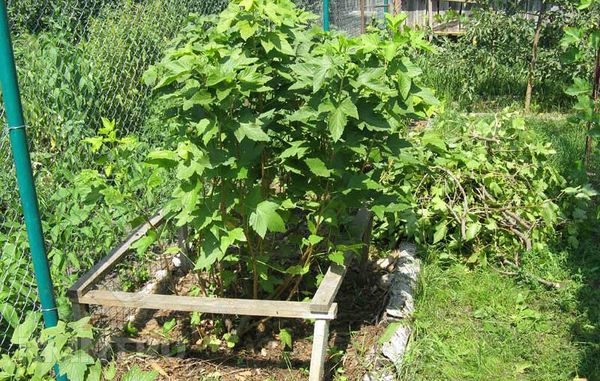
It's best to plant future currant bushes in a spot in your garden where they'll receive ample sunlight—they're extremely sun-loving. Nearby fruit trees should be positioned so that the bush isn't in the shade for most of the day. This is because bushes that receive ample sunlight produce significantly more fruit than those grown in shade. Of course, currants can tolerate periods of shade, but only periods, not constant partial shade.
Another important requirement for a currant bed is protection from strong winds and drafts. Plant the capricious blackcurrant so that a building wall or fence provides protection from the wind without blocking sunlight: this will ensure uninterrupted pollination of the flowers. When answering the question of how to plant blackcurrants, it's also important to consider the elevation of the chosen site: avoid low-lying areas, as cold air lingers there for longer, which can negatively impact yield.
Planting dates
Every gardener sooner or later asks the question: how to plant currants, or rather, when is the best time to do it? Some argue that autumn planting is optimal, while others insist it's best to address this issue in spring. So, how should you plant your favorite crop so that you can reap the harvest quickly?
In the fall
Most experts agree that autumn, specifically the second half of October, is the best time for this. Then the plant will slowly take root, have a chance to safely overwinter, and begin to actively develop with the arrival of the first warm days. However, as already mentioned, it is important to ensure that the first buds are not damaged by spring frosts. Currant bushes awaken from hibernation quite early, so if planted in autumn, they will develop the necessary green mass much faster.
In the spring
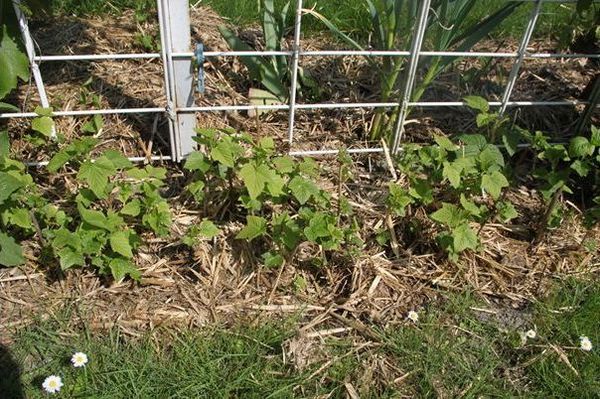
Of course, you can plant a bush that will later yield your favorite blackcurrant berry in the spring. However, in this case, you're unlikely to get a harvest in the coming season, as the plant needs time to develop a sufficient number of branches, and we all know that only two-year-old blackcurrant shoots bear fruit.
Rules for caring for a shrub
Having undertaken the difficult task of planting young bushes of their favorite berry, every gardener fervently hopes for a bountiful harvest for at least the next few years. To ensure this happens, it's important to provide the young plants with proper care immediately after planting:
- at the initial stage (when the plant has not yet entered the fruiting stage), it is enough to water it regularly, hill it up as needed and get rid of weeds;
- with the beginning of the fruiting period, the bushes should be fed: for this, mineral (urea, superphosphates) and organic (manure, chicken droppings) fertilizers are used;
- In spring, when there is a threat of night frosts, the bush should be carefully covered, after watering it - then the flower buds will be preserved, and the insidious night frost will not touch them;
- Pay attention to watering—the bushes are in dire need of moisture during the fruiting period, especially if this coincides with dry weather. If you don't, the berries will be small, and their flavor will be significantly reduced.
- Last but not least, annual pruning is essential. A currant bush can grow in one place for about 15 years, and proper and timely pruning can extend the fruiting period for several years. The rules are simple: every year, once the bush reaches three years of age, no more than 6-8 shoots should be left on it, which will give birth to young, vigorous vines with large berries.
Gardeners grow currants everywhere, and they know well: black currants, although not a particularly fussy berry, still require continuous planting and subsequent care; only then will they be sure to surprise you with the sheer size of their harvest!
Video: "Proper Planting of Blackcurrants"
In this video, an expert will explain how to properly plant blackcurrants with open and closed root systems.