
Fertilizing black and red currants for a good harvest
Content
Why fertilize a plant?
This extremely vitamin-rich berry can be found in almost every garden. However, only experienced gardeners know how and why to feed currant bushes. The plant is quite undemanding and produces fruit with minimal care. However, a lack of fertilizer, improper watering, and other agricultural practices significantly impact the yield and quality.
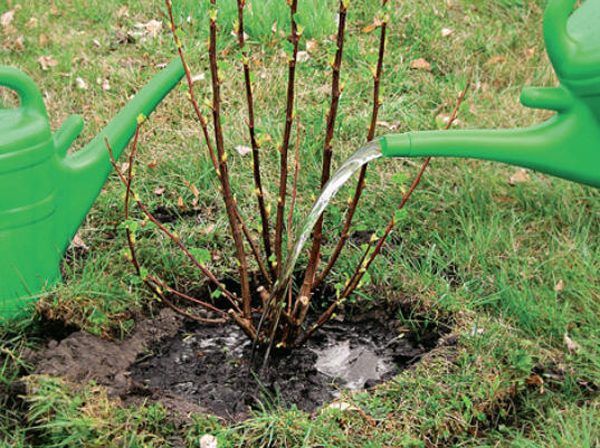
Initially, the plant receives sufficient fertilizer applied at planting, especially for the red and white varieties. But over time, the number of berries decreases, and the fruits themselves lose their marketable appearance, become smaller, and become less tasty. Then, the bush gradually stops growing and producing new shoots. Eventually, it needs to be replanted.
All this can be avoided by regularly applying seasonal fertilizer.Using a simple scheme, you can increase the yield and improve the taste characteristics.In addition, a plant that receives all the necessary nutrients becomes more resistant to adverse weather conditions and diseases.
Rules for making
Few people know that currant varieties differ not only in the general characteristics of their bushes and fruits, but also in the specifics of their fertilization. Below, you'll learn about the rules for fertilizing red and black currants.
For red and white
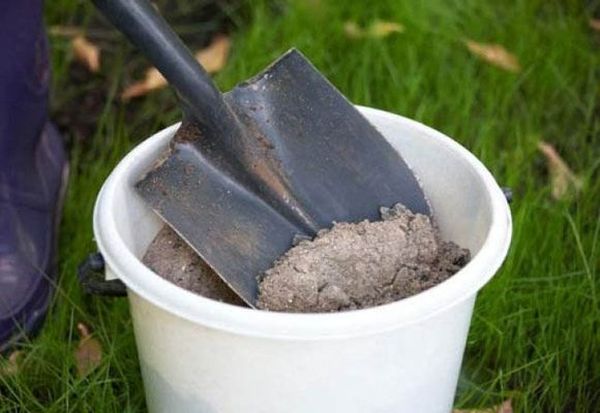
Fertilizing red currants is made much easier by their undemanding soil fertility. Light, slightly acidic or neutral soils are best. Importantly, they are sensitive to chlorine, so it is recommended to replace it with potassium sulfate or wood ash. Spring fertilization is crucial; it can increase yields to the point where they exceed those of black currants.
Since this variety thrives in moisture, it's best to feed the bush with liquid fertilizer or apply it along with watering. In April, water the plant generously and add urea. In early summer, manure or bird droppings diluted with water are excellent. Also in summer, apply special fertilizers enriched with microelements: boric acid, manganese sulfate, copper sulfate, ammonium molybdate, and zinc sulfate, diluted in small doses in plenty of water. Apply this solution to the leaves.
The last time the bush is fed is in early October with a mixture of organic and potassium-phosphorus fertilizers. A fruit and vegetable mix can also be used. Winter feeding is not required at all. The nutrients added during the warm season will last until spring. White currants can be fed in a similar manner. Summer treatments with micronutrients are excluded, which are applied as needed.
For black
The blackcurrant fertilizing regimen varies, including several stages—early and late. In total, five main stages can be distinguished:
- In the spring, during bud swelling, nitrogen-containing fertilizers are applied. Potassium and phosphorus can be added periodically (once every couple of years);
- After flowering has finished. The same types of fertilizer are used as in the first stage. However, it's important to be careful not to overuse nitrogen fertilizers, as too much can affect yield and significantly weaken the immune system. It's best to use mineral and organic fertilizers in equal quantities.
- The period of fruit setting and ripening. It is recommended to give preference to organic and potassium-phosphorus complexes;
- Late summer, after harvest. A complex fertilizer containing a small amount of nitrogen is best;
- Late autumn. Potassium and phosphorus, which boost plant immunity and strengthen the rhizome.
How to feed black currants at each stage can be determined by the appearance of the bush and its fruiting.
What to fertilize with
The wide variety of fertilizers available can be a challenge for inexperienced gardeners, who may be overwhelmed by the idea of choosing the right fertilizer for their currants without harming them. The easiest way is to follow a guide and choose complex, specialized mixtures.
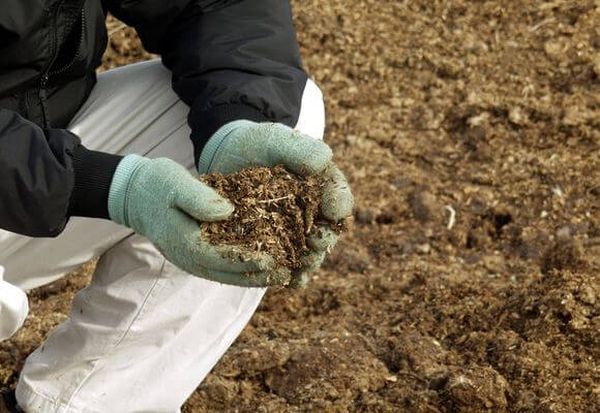
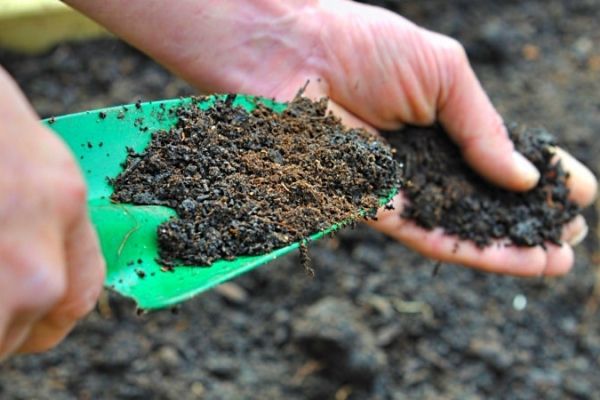
You can easily purchase a liquid or granular mixture for a specific stage and fertilize the bush according to the instructions. Alternatively, you can use folk remedies and the experience of gardeners. For example, manure, compost, and bird droppings contain large amounts of nitrogen. Bird droppings and manure are diluted with water and applied in liquid form, while compost and humus can be used as a mulch.
Complex fertilizers can be replaced with readily available products: wood ash, starch, and grain fertilizer. These products are diluted or infused in water and applied to the bush. Since starch is slowly and incompletely absorbed, it's best to replace it with a potato peel infusion if possible. These currant fertilizers are readily available.
Special feeding
There are also specific fertilizers that are much easier to use for currants than homemade ones. They are sold ready-made, powdered, or granulated, with instructions for use.
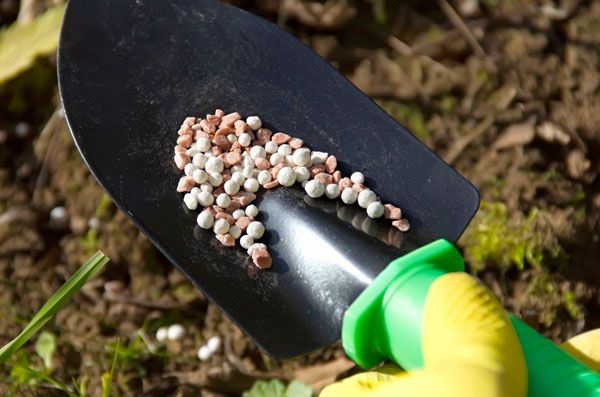
Top dressing with phosphorus fertilizers
This type of fertilizer is typically applied after harvest or in the fall, as the main element requires a long time to be absorbed. Within a few months, the fertilizer transforms into a soil-retaining complex and begins to function fully by summer. A certain type of phosphorus complex—fertilizers containing fast-acting compounds—is also applied in the spring. There are several popular types of fertilizer.
For currants, it is recommended to use superphosphate.
Fertilizing with potassium fertilizers
At different stages, plants require potassium fertilization. For currants, this occurs in spring and fall. The optimal option is to apply potassium fertilizers: potassium nitrate, nitrophoska, and ammophosphate. However, fertilizing a bush "by eye" is not an option; a specific dose and application schedule are required.
It's worth remembering that for currants, chlorine-containing fertilizers should be replaced with ash. It's also important to note that potassium increases soil acidity, so calcium and lime should be added simultaneously. Potassium can be added to black soil without fear of negative consequences due to its alkaline pH.
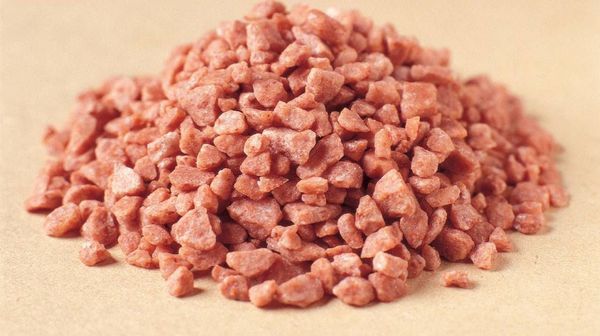
Liquid fertilizer
Berry crops, including currants, absorb nutrients better in liquid form. Therefore, almost any fertilizer should be dissolved in water, otherwise it won't be absorbed. Both organic and mineral fertilizers are dissolved in water. The recommended application rate is 10 liters of water per 10 liters of water.
With any type of fertilizer, not only the timing of application is important, but also the amount applied. Otherwise, you could lose your harvest or "burn" the plant. Therefore, it's best not to try anything yourself; it's better to follow recommendations and instructions.
Video: "Fertilizing Currants After Flowering"
This video will show you how to properly fertilize currants after flowering.