
Rules for preparing currant bushes for winter
Content
Pruning bushes
To ensure your currant bush survives the winter properly, there are several essential steps you should take. If you follow them correctly, you'll get excellent results. The first thing you should pay attention to is pruning the bushes. This procedure is carried out in the same way as rejuvenating raspberries. You'll only need to trim off the tops of the branches.
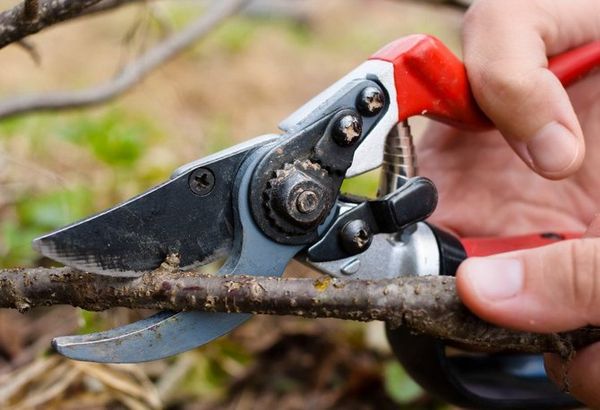
Why is this necessary? This way, you can easily wrap your shrubs in the fall to protect them from excessively severe frosts.
These are also excellent pest prevention measures, so don't neglect them. Beginner gardeners may not be aware, but most fungal diseases primarily infect the tips of the stems. By pruning these tips, you'll almost completely eliminate the risk of disease next spring. Brown spot and other similar infections can all be eliminated by pruning currant bushes.
Pruning bushes seems like a rather labor-intensive task. In reality, it's not difficult. First, take a section and go over any parts of the plant that seem questionable. Dead branches and shoots are a must. You're unlikely to find berries on them next year, and your main goal is to create a full, healthy bush that will yield a bountiful harvest. Furthermore, even dead branches and shoots use up some of the plant's energy. But you don't want the bush to develop at its full potential, do you?
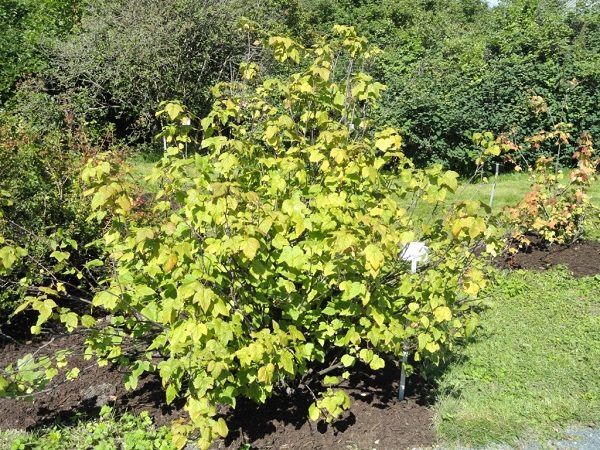
When the old shoots are cut off at the root, we take on the young branches. No, this doesn't mean you need to prune the entire bush! The point is that if the plant's branches have only recently formed and are very thin and weak, they simply won't survive the winter with its severe frosts. Therefore, you need to prune them in advance.
This approach is very similar to pruning grapevines: experts generally prefer to leave only two-year-old branches, not too old but strong enough to successfully withstand the cold. This "replacement" will also save the situation with your homegrown currants.
Be sure to keep your tools well-sharpened. In this case, the farmer is using pruning shears. If you can use them to carefully trim branches, you'll not only appreciate the decorative appearance of the rejuvenated shrub but also cause significantly less damage to the plant itself.
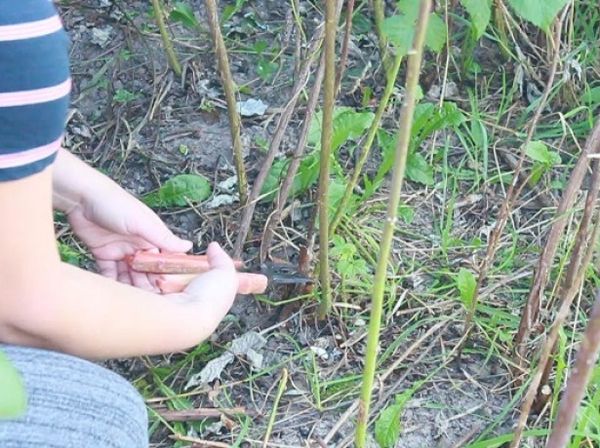
Under no circumstances should you break off branches, twist them off, or cut them with a knife. This will seriously stress the shrub, so it will take much longer for it to recover from such treatment next spring.
Follow all of these recommendations precisely if you want your currant bushes to survive the winter without any problems and be well prepared for the next fruiting season.
Fertilizer and feeding
Preparing currants for winter involves more than just pruning overly old and, conversely, young branches and shoots. Timely application of fertilizer to the top layer of soil is also crucial. As the summer fruiting period draws to a close, currant bushes need a thorough feeding, as they have by this time used up almost all the potassium, phosphorus, and magnesium in the soil. If these nutrients aren't replenished, you'll have a significantly smaller harvest next year.
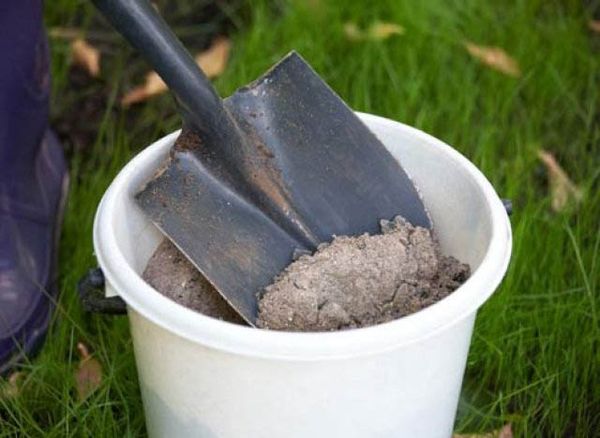
To properly fertilize currants, you need to follow some step-by-step recommendations, for example:
- First, you need to clear the area around the currant bushes. Remove old leaves and branches. Some farmers don't do this. In that case, don't be surprised later by the origin of all those infections, parasites, and diseases.
- The next preparatory step before fertilizing is soil disinfection. For this purpose, you can use a solution of potassium permanganate, copper sulfate, or laundry soap;
- Finally, you can begin fertilizing the plants with phosphorus-potassium fertilizers. These components have a long-lasting effect, protecting the shrub and stimulating its further vigorous growth. This is because the root system will gradually be replenished with nutrients from the soil, which will last until May.
- In November, you can add bird droppings to the fertilizer already applied. It's best if they're dry or well-rotted.
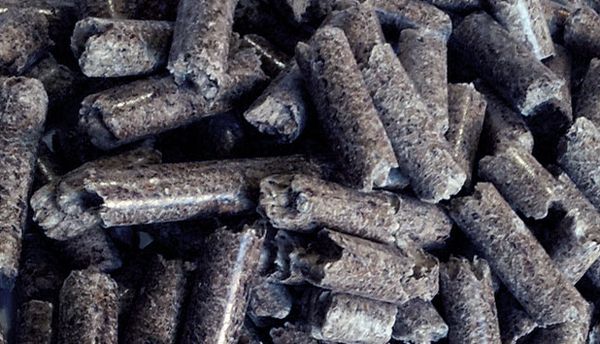
Fertilizing currant bushes isn't particularly difficult either. The main thing is to add at least a basic fertilizer to the soil, and you'll be guaranteed excellent results.
Preparing the bush for frost
Any currant bush is considered fairly cold-hardy. At temperatures down to -25 degrees Celsius, it retains all its species characteristics and produces excellent fruit the following season. However, even in moderate climates, there are some deviations.
If temperatures drop below -25 degrees Celsius, this can have serious consequences for the bush. The plant's yield can be significantly reduced. Furthermore, excessively low temperatures cause branches to gradually die off. If you don't prepare your red or black currant bushes for winter, you'll have nothing to care for next season.
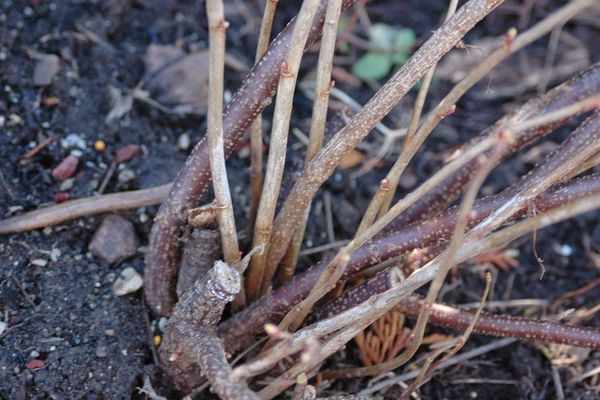
If you learn how to wrap currant bushes for the winter, they can withstand temperatures as low as -50 degrees Celsius. Experts recommend bending the bush slightly to start. This is necessary to protect it from drafts. By doing this, you'll ensure complete protection for your currant bush. So how can you ensure this? There are several common methods:
- Using bricks. It's best to use roofing tiles if you have any in your yard. They're just as effective at bending the bush to the ground, and you won't crush the stem. You'll need about 5 bricks per bush; don't try to bend the entire plant to one side, as this will only damage it.
- By burying. Soil is another universal insulator. Of course, you can't bury the entire plant underground, but you can bury the branches. Currants, for example, will survive severe frosts even without snow. The main thing is to avoid icing, as the bush needs to breathe under a layer of soil.
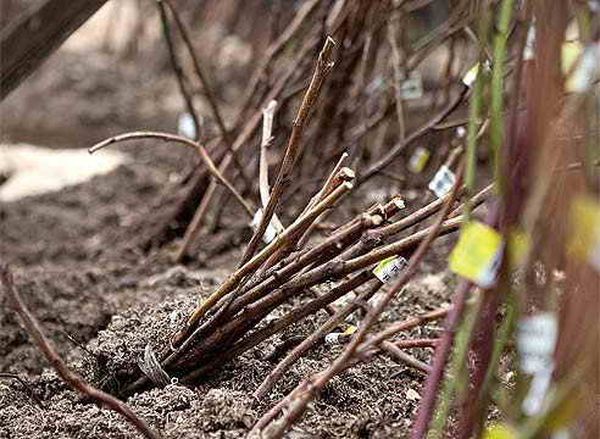
- Insulation is a must. This method will take a considerable amount of time, so be prepared for that. But the results will exceed your expectations. How do you accomplish this? Wrap each branch individually in agrofibre. Gardeners can also add mineral wool if desired. Overall, this creates a reliable and highly effective insulation. Sometimes, beginning growers decide to save money and choose polyethylene or a similar material for wrapping. Never do this! The plant must have access to air, otherwise it will simply die. Covering the bush is essential, and the key is choosing the right material, both in terms of price and quality. This method of preparing a bush for winter is primarily preferred in northern regions of the country, for example, in Siberia. Without wrapping, the plant may not survive the next winter, so the cost and effort are worth the results. Currant bushes won't be affected by frost in February if they are covered with special insulation.
Prepare your currant bushes for severe frosts, especially in February. Those who cover their plants for the winter reap a substantial harvest next year. Therefore, paying close attention to preparing your currant bushes for winter is essential if you want to preserve your plants.
Video: Preparing Currants for Winter
This video will show you how to properly prepare currant bushes for cold weather.