
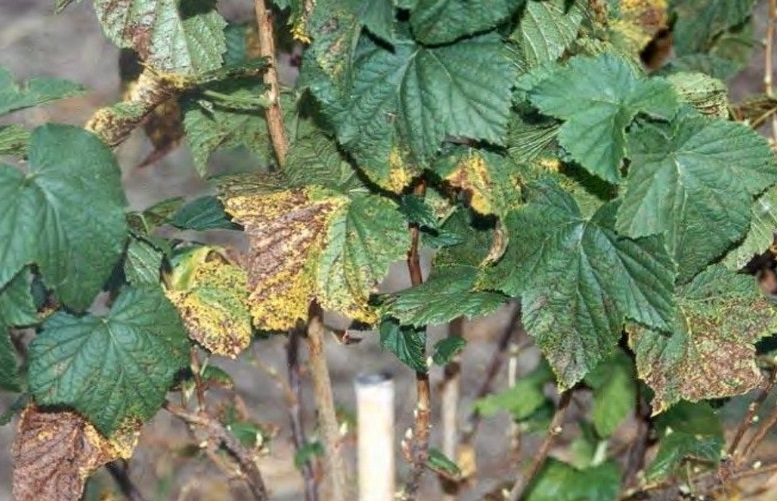
Why do currant leaves turn yellow? Main reasons
Pests
Currant leaves can turn yellow in early summer because gall aphids suck their sap. This is a very common pest that feeds on the sap of fruit leaves. Gall aphids settle on the undersides of leaves, piercing the blood vessels with their proboscis, causing small swellings colored red or yellow. The entire leaf then turns yellow and falls prematurely. The worst thing is that seven generations of gall aphids can appear in a single season. With such a large population, the pest can destroy multiple currant bushes and spread to other plants. It will be impossible to do anything about it afterward; control must be initiated at the first sign of its appearance.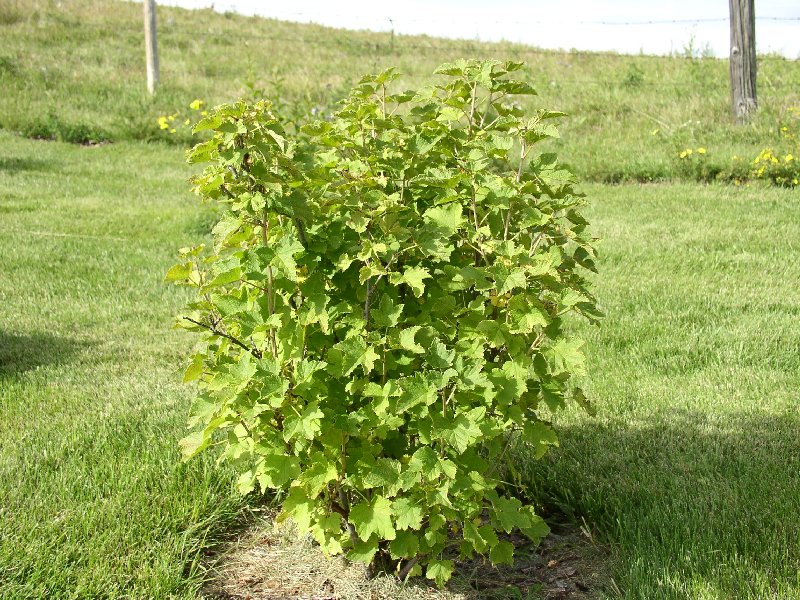
Aphids are controlled with insecticides, which can only be used before flowering or after harvest. At other times, only affected areas of the bush can be destroyed. Each leaf should be treated on both sides after harvest, and then be sure to repeat the treatment in the fall, when the aphids lay their eggs. It's advisable to carry out preventative treatment of the bushes and the surrounding soil in the spring, before bud break.
Spider mites are also very small and are only noticed after yellow leaves appear, followed by webbing. If spotted early, you can get away with washing the plant with clean water and misting it in the following days. Spraying with a garlic, tobacco, or onion infusion mixed with laundry soap is recommended. Spraying with dandelion infusion is also effective. If these methods fail, use specialized acaricides or insectoacaricides.
Yellowing of leaves and death of shoots can be caused by currant glassworm caterpillars, which feed on juice and even gnaw on young tender shoots. The terrible thing is that this pest is not afraid of any chemicals; it cannot simply be poisoned. To prevent this, thoroughly loosen the soil around the bushes in spring and early summer, and ruthlessly cut off and destroy any affected shoots.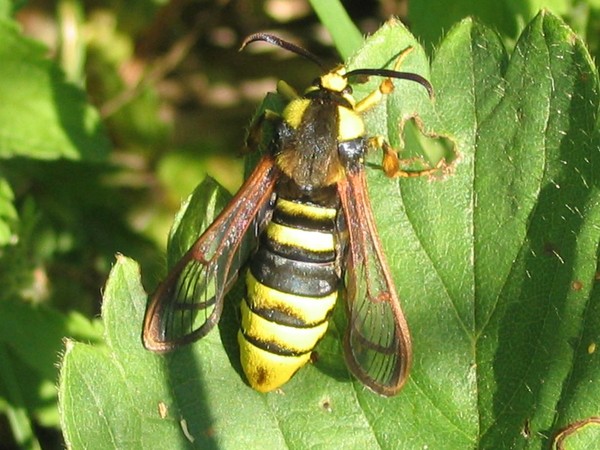
These aren't the only pests that attack currants. Other pests include bud mites and the currant bud moth, which can prevent leaves from opening at all. The currant borer is a beetle that feeds on leaves, leaving its larvae to overwinter inside the shoots. Leaf sawflies most often infest red and white currants, feeding on their leaves.
Video "Currant Pests"
This video will tell you about currant pests and how to control them.
External factors
Healthy, strong currant bushes are less susceptible to pest attacks and diseases. And if they do occur, they suffer much less than their weakened counterparts. However, pests aren't the only reason for currant leaves to suddenly turn yellow. Understanding why currant leaves may turn yellow can be done by analyzing their growing conditions and the quality of their care.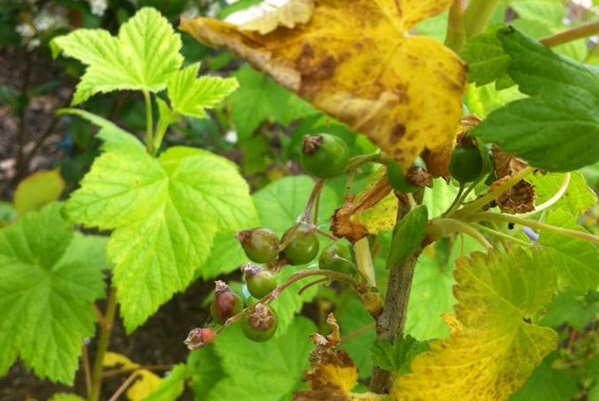
The simplest and most easily remedied cause is a lack of moisture. In dry, hot weather, bushes need watering; without it, the leaves will turn yellow and dry out, and the fruit will grow small and may even dry out before ripening.
Oddly enough, leaves can also turn yellow due to excess moisture. This indicates wilting due to a lack of beneficial nutrients, particularly nitrogen. Currants thrive in moisture, but they thrive in light, fertile soil. If the soil is not very fertile, they need to be fertilized more frequently. For the same reason, it's recommended to plant currants away from other shrubs or trees, leaving at least 1 meter between bushes—this will ensure they receive both soil and sunlight.
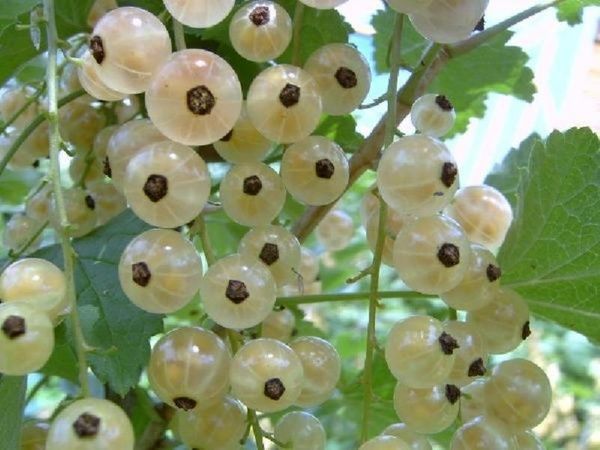
If improperly formed bushes are planted, the leaves may turn yellow and wilt due to an insufficiently developed root system. As a rule, a young bush should have 4-6 developed shoots and a strong, well-developed root system. Young roots will not be able to feed the growing shoots any further.
Another possible cause is planting the bush at the wrong time. For it to take root and thrive, the soil temperature must be above 18 degrees Celsius (64 degrees Fahrenheit) at planting, which may not be the case in spring if planted early. This is why experienced gardeners prefer to plant currants in the fall.
This fruit bush should be grown in a sunny, wind-protected location in fertile soil. It should be pruned properly annually, fertilized with organic and mineral fertilizers, and provided with adequate moisture, especially during the fruiting season. This will ensure the bush remains healthy and strong.
Pest Control Video
This video will show you how to protect currants from pests.