
Reasons why black currants may not bear fruit
Content
Reasons
Blackcurrant is a shrub belonging to the gooseberry family. With proper care, it can grow for many years, delighting its owner with delicious berries. In the wild, it grows throughout Europe, in Siberia as far as Lake Baikal, and also in North America. For proper fruiting, blackcurrants require a well-lit site with loose, moist soil. The berry is rich in vitamins A, B, C, and P, as well as elements such as phosphorus, magnesium, iron, sodium, potassium, pectin, and organic acids. It is not only eaten fresh but also used to make compotes, preserves, jams, and can be frozen for future use.
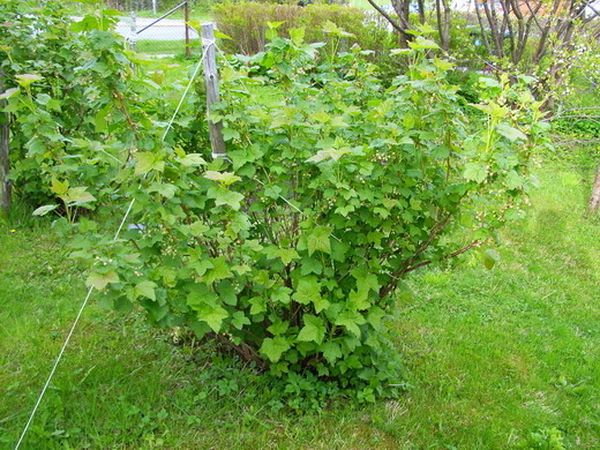
Sometimes gardeners encounter difficulties growing their favorite crop. Below, we'll discuss in more detail why currants fail to bear fruit, specifically, the causes of insufficient or excessive sunlight, soil conditions, weather conditions, diseases, and pests.
Lack or excess of sunlight
When does blackcurrant begin to bear fruit? Its peak yield occurs five years after planting. Bushes should normally produce a good harvest every year. It's normal for currants to fail to produce berries in the first year after planting. However, if there are no fruits in the second and subsequent years, this is cause for concern.
One of the most common reasons why currants fail to bear fruit is a lack of sunlight. Currants prefer good light, but in moderation.
Excessive sunlight is also harmful to currant bushes. If the bushes are growing in full sun without even a little shade, the currant bushes will suffer a decrease in yield. It is recommended to choose a shaded location before planting so that only diffused sunlight reaches the bushes.
Soil condition
Fertilized, loose soil is essential for proper and healthy growth and development of currants. If the soil is poorly moistened, the gardener may not see fruiting. To saturate the soil with minerals, it is recommended to add potassium salt and superphosphate. However, excessive fertilizer is harmful, as it can alter the soil's moisture content. If the soil is too fertile, it is recommended to dig trenches approximately 35–45 cm from the bush. Fill these trenches with a mixture of clay soil, bone meal, and ash.
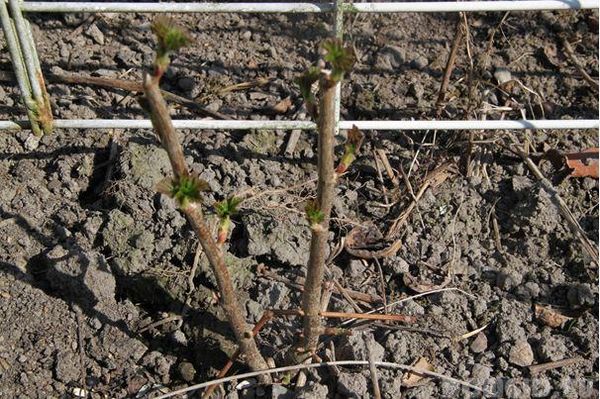
The soil should also not be acidic. It is recommended to add lime to the area where currants are to be planted. This should be done about a year before the planned work. The soil should be prepared before planting. Its surface must be leveled and supplemented with high-quality compost, superphosphate, potassium chloride, or potassium sulfate.
Weather conditions
This bush species can be safely classified as a heat-loving crop. This is the main reason why southern currant varieties are unlikely to thrive in central Russia. Spring frosts can cause significant damage to fragile buds. Extremely low temperatures are detrimental to the plant. As a result, gardeners will miss out on a harvest of their favorite berries this year. Young bushes will simply perish due to the effects of spring frosts. To prevent this, it is recommended to choose only currant varieties that are zoned for a specific region.
Diseases and pests
To ensure that bushes begin to bear fruit on time and that the gardener can reap a rich harvest of delicious berries, the crops must be free of disease. One of the diseases that affects currants is reversion. When this occurs, the leaves become elongated, the veins become more visible, and the berries' distinctive aroma is almost completely lost. The flowers turn purple. And the harvest may never appear. There's no way to help the crops. The only option is to dispose of them by burning.
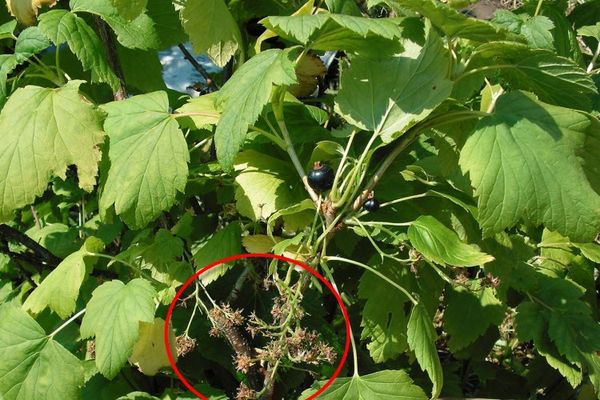
Young currant buds can be attacked from the inside by bud mites. Externally, the presence of this pest can be easily detected by unusually enlarged and round buds. These should be removed immediately. If the entire bush is already affected, it will have to be dug up and burned. Garlic is often planted between the plants as a preventative measure.
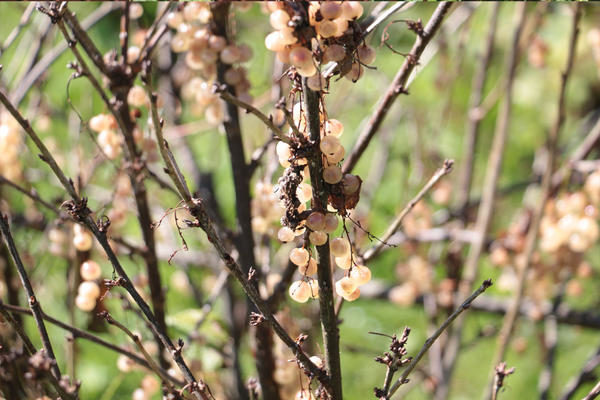
Spotting the glasswing butterfly can sometimes be difficult. Signs of its activity on currants include falling buds and wilting foliage. The pest prefers to tunnel, gnawing at shoots from the inside. Treatment involves cutting back to a point where there is undamaged stem. Sealing with garden pitch, which gardeners usually make themselves, is also done.
Wood ants that appear on a plot typically eat the inside of crop flowers. To prevent them from damaging the crops, biological methods should be used. Chemical pesticides should be used only in extreme cases.
Video: "Proper Care of Currants"
This video will teach you how to properly care for black and red currant bushes.