
Pigmey currant variety with excellent yield and large fruits
Content
Description
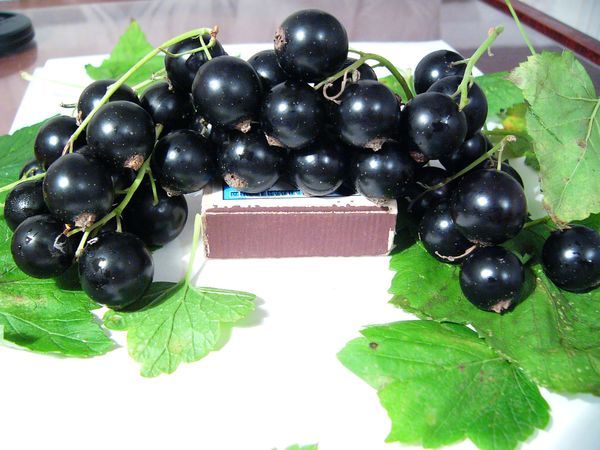
What's so special about the Pygmy currant, and what exactly should every farmer know about it before purchasing and planting seedlings? This variety is characterized by high yields, and the fruits grow quite large and, not always typical for currants, sweet. Their skin is thin and quite soft, and the pulp contains a small number of seeds. Therefore, these berries will find a wide variety among your family.
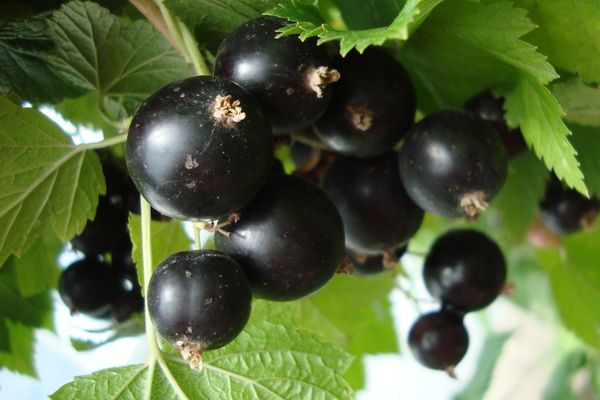
This variety was bred in the Chelyabinsk region and is relatively young: it's not even 20 years old yet, but its widespread popularity among domestic farmers speaks volumes. In terms of ripening time, this blackcurrant is considered a mid-season variety: the fruits can be harvested in late June or early July.
Many farmers are interested in how long the currant bush blooms. There's no specific figure; it largely depends on the climate in your area. Typically, the bush blooms for about 30-45 days. The harvest period is also worth paying special attention to. It can last anywhere from three weeks to a month and a half, but it's certainly not a one-time event. After you've harvested the last batch, the currant bush stops producing fruit, and you'll be able to pick the berries the following summer.
One of the variety's main advantages is its self-fertility. You don't need to plant other plants near the bushes to ensure pollination. Furthermore, the Pygmy variety is ideal for beginning growers.
The point is that caring for it doesn't require any special complexities or techniques, so you can confidently purchase seedlings at fairs, markets, or specialty stores.
Another detail that interests a true farmer: what can you do with this currant's berries? How widely are these fruits used in cooking? In fact, there's no need to worry about that. The berries are suitable for both raw consumption and various preserves. They can be frozen, canned, or made into jam (quite beneficial for colds and other infections, or simply used as a vitamin supplement to tea).
Resistance to diseases and pests
Pygmy currant has many advantages, which is why it is so highly valued by Russian farmers. Its popularity is not only due to its flavor but also due to its resistance to various diseases and pests. For example, the Pygmy currant variety is largely valued for its resistance to anthracnose. It also resists powdery mildew. However, it's important to understand that there are other diseases against which currant bushes are often immune. Currant immunity doesn't last long against the rather serious disease septoria. Furthermore, bud mites can cause significant damage to bushes.
What infections and pests should you be wary of, and how to get rid of such troubles:
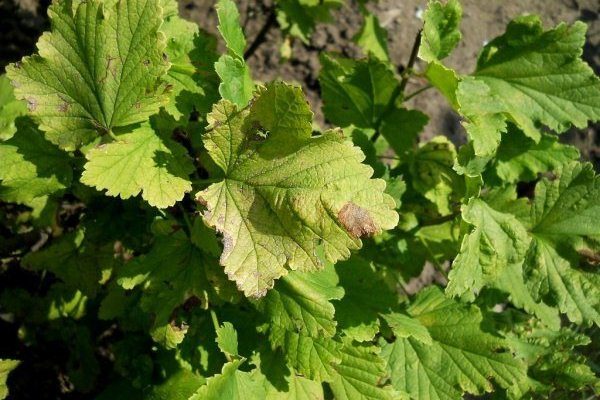
- Septoria leaf spot. The infection can be identified by brown spots that appear on the outer surface of the leaf blade. As the disease progresses, the centers of the spots turn white, while the edges develop a characteristic reddish tint. Sooner or later, the shrub's leaves begin to fall, and the only thing left for the farmer to do is collect and burn them. To prevent this type of disease from affecting your shrub again, it is recommended to spray it with a Bordeaux mixture solution.
- Currant double bloom. Flowers are the first to suffer. They stretch, become double, and take on a purple hue. But the most dangerous thing is that the bush stops producing fruit. Carefully inspect the currant bushes. If only individual shoots are affected, simply remove them and burn them. If the entire bush is affected, it must also be removed to prevent further spread of the disease. It's best to take all necessary preventative measures in the future, for example, treating the bushes with a solution of Nitrafen or Colloidal Sulfur.
- Aphids. The symptoms of this disease are unmistakable. Currant leaves begin to wrinkle and curl, and the same happens to the shoot tips (they simply become curved). But the infection affects not only the leaves and branches of the currants; the quality and quantity of berries is noticeably reduced. If the bush is not treated promptly, the fruit may not ripen at all. How can the situation be corrected? First, it is necessary to destroy the affected parts of the bush. Then, it is best to burn them. As for treating the bushes, this is more of a preventative measure. Use Malathion or liquid potassium soap for this purpose.
- Bud mites. How to diagnose the presence of these parasites? Before flowering, currant buds become excessively large and eventually dry out. This means bud mites are destroying them from the inside. How can this pest be combated? If you notice only a few affected buds, removing them is sufficient. Sometimes farmers don't notice the mites on their bushes until the very end. In this case, over time, it will be necessary to remove not only the buds but also the shoots. Subsequently, it's best to treat the pygmy buds in early spring with Nitrafen or colloidal sulfur.
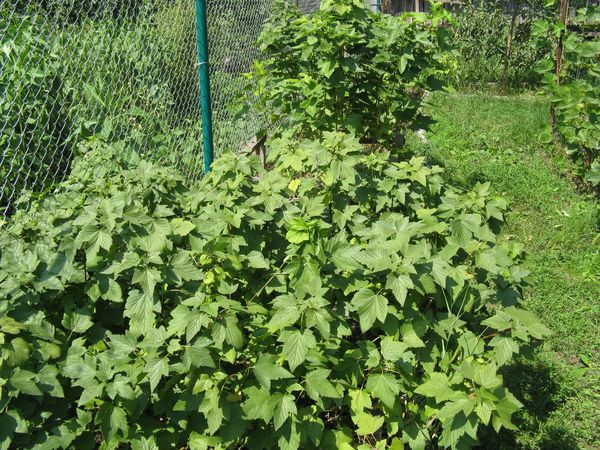
Knowing how to control blackcurrant pests and diseases will help you easily grow bushes in your garden and reap a bountiful harvest.
Care and cultivation
Growing currants is easy if you understand the basic farming techniques. Abundant and regular watering is essential. The bushes especially need saturated soil moisture during the fruiting period. Remember: when the berries begin to darken, it's recommended to stop watering, otherwise they may crack due to excessive moisture. It's best to water currant bushes after sunset. You can add water to the container in the morning; it will settle during the day.
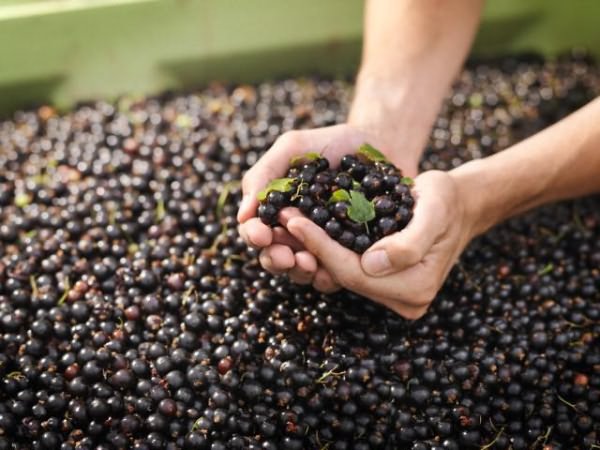
Another important step in providing comprehensive care for your pygmy lily is fertilization. Three applications per season are usually sufficient. You can use either mineral or organic fertilizers. It all depends on your preference. Don't forget about pruning. Interestingly, this procedure is performed immediately in the first year after planting.
In the future, you can do this twice a year: in the spring, before the leaves emerge, and in the fall, after they've fallen. It's best to prune branches that are more than five years old first, as they won't produce many ripening fruits. As for preparing the bushes for winter, this procedure is recommended. Although Pygmy is considered a frost-hardy variety, it's still necessary to provide a mound of mulch around the bush. This way, your blackcurrants will overwinter without problems.
Recommendations for harvesting and storing berries
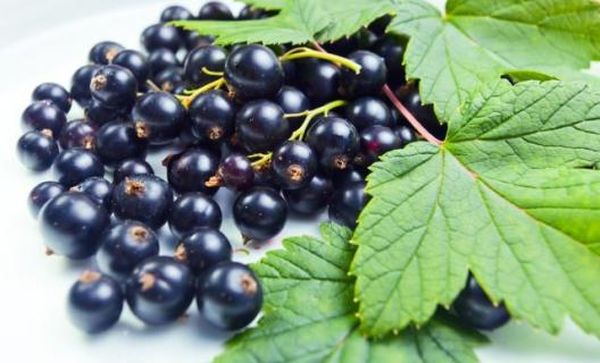
The Pygmy variety is truly productive: you'll harvest approximately 3.5-5 kg of berries from a single bush. There's no need to process the berries immediately and prepare them for winter. They can be stored fresh for up to four weeks. Furthermore, their appearance will not deteriorate during transportation. You can then freeze or dry the berries. Homemade currant jam is especially popular, and your family will certainly appreciate it.

Follow basic gardening recommendations, and your currant bushes will delight you with a bountiful harvest. Caring for them is simple, and the results are worth the effort. Furthermore, if you've only recently decided to start growing currants in your garden, the Pygmy variety is the perfect choice, as it's easy to maintain.
Video: "Tips for Growing Blackcurrants"
In this video, you'll learn basic tips for growing blackcurrants in your garden, caring for them, and protecting them from harmful insects.