
How to transplant a currant bush in spring
Content
Why is a transplant necessary?
Why should currant bushes be replanted in the spring? There are good reasons for this. These include the desire to propagate a favorite currant variety, the presence of signs of disease (if treatment has failed), and the presence of excessively large plants that interfere with each other's normal growth.
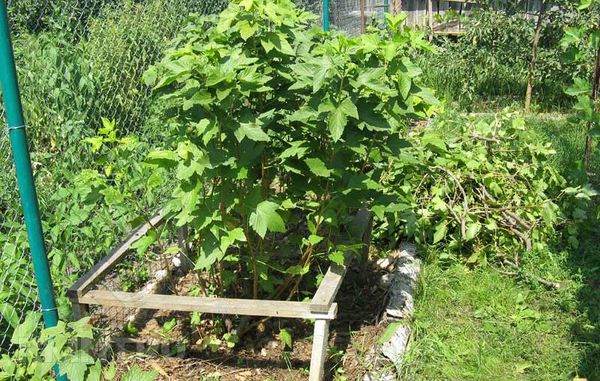
The need for replanting arises due to changes in the groundwater level (when their depth becomes shallower), if the crown of the tree growing near the currant bush has grown too large and provides shade. Or a new facility is built, which is when the bush is being rejuvenated due to its advanced age. It's also possible to transplant the plant from depleted and toxin-filled soil to more fertile soil, so that the currant bush can continue to grow normally and develop fully.
Features of spring transplantation
Many gardeners wonder whether we're doing the right thing when replanting bushes in the fall or spring. It's important to note that the procedure can be performed in either season. It's important to consider the plant's condition. In the fall, it's customary to replant after all the leaves have fallen. In the spring, this is done before buds appear and currants begin to grow.
Many experienced gardeners consider spring replanting a necessary measure. This is supported by the fact that plants don't experience as much stress after winter. How to properly replant currants in spring? To do this, wait until the soil has warmed up well. The soil temperature should be at least 5 degrees Celsius. If you weren't able to do this in spring, you should postpone it until fall or spring of the following year.
It is recommended to replant bushes obtained using layering last year, or cuttings with a good root system that overwintered in a greenhouse or cellar.
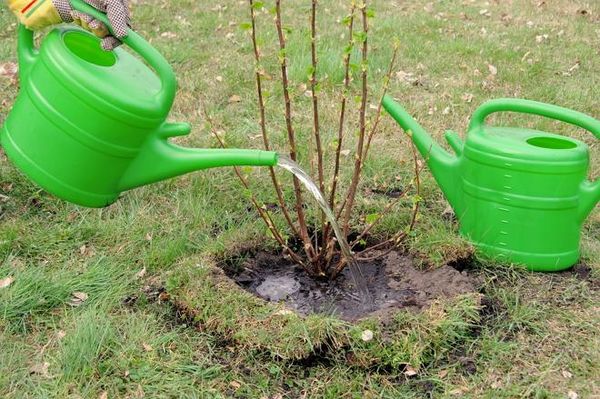
To ensure the bushes survive the process, it is recommended to transplant them with their roots still attached to the soil. After transplanting, mulching with potassium fertilizer, compost, loose peat, wood ash, sawdust, and dry grass is essential. To help the bushes establish, water them with sun-warmed water or water at room temperature.
Preparing a new location
For planting, it's important to choose a sunny, spacious location. The hole should be deep enough to accommodate the root system. Remember, rooting is easier in loosened soil. Be sure to add organic fertilizer or compost to the bottom of the hole. After digging, add water to the hole. Once the water has soaked in slightly, you can plant the bush. If the soil absorbs the liquid quickly, water it again.
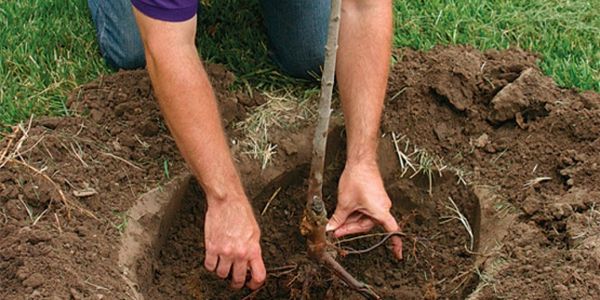
Soil preparation should be done a couple of weeks before the planned transplant. After digging, clear the soil of grass and weed roots. The holes should be 40 x 40 cm (relevant for young plants). For mature plants, the size is calculated based on the amount of root growth. Depending on the age of the bush, its depth in the soil is usually 30-50 cm. For several plants, a trench is dug and they are planted at a distance of up to 1.5 meters.
If the soil is heavy, ensure good drainage. To do this, add sand, crushed stone, or a small amount of cuttings to the hole. Two-thirds of the hole should be filled with soil, to which humus and compost have been added.
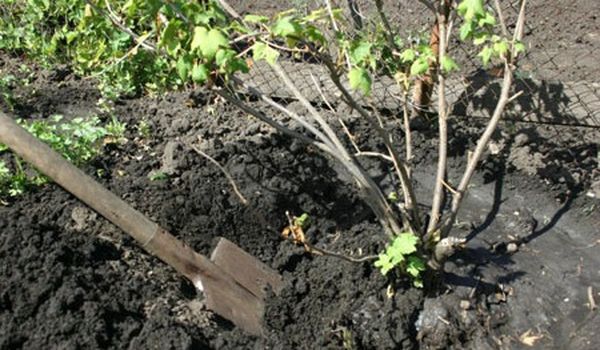
Currants respond well to fertilizers such as nitrogen, potassium, and phosphorus. If transplanting to a site with highly acidic soil, adding chalk, dolomite, slaked lime, and ash will help correct the situation. To dig up a currant bush from its usual location, carefully dig around it in a circle, maintaining a depth of up to 50 cm. Do not pull the plant by the top. Transfer it to the new hole with the root ball still attached. It is recommended to pre-treat the roots with potassium permanganate for disinfection.
Frequently asked questions
There are a number of questions that many gardeners frequently ask:
- Question #1: Is it possible to transplant bushes aged 3 to 5 years? Or is it preferable to propagate them by cuttings?
This is permitted. The correct approach is to dig up the bushes and carefully move them to a new location, without damaging the roots or the root ball. It is recommended to trim the top of the plant and plant it deeper. After this procedure, adequate watering is important to ensure proper establishment. - Question No. 2. Is it permissible to transplant young seedlings to a place where old bushes grew and from which they were uprooted?
Experience shows that it's best to relocate them, as disease contamination and soil depletion are possible. - Question No. 3. What crops can thrive next to currants?
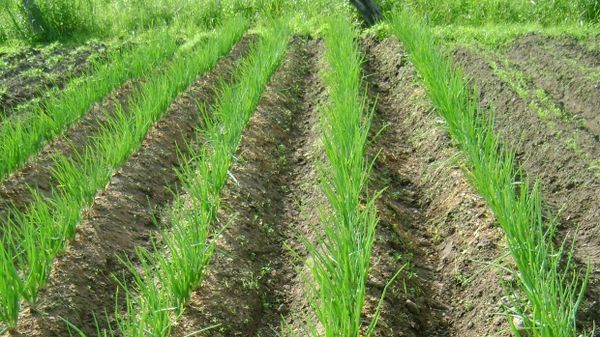
It's recommended to plan planting garlic and onions near the bushes. They will provide reliable protection for the currants from possible pest attacks and infections. It's best not to transplant the bushes near fruit trees. It's also not recommended to plant them near raspberries and gooseberries. - Question No. 4. Do bushes planted in the fall require hilling?
Yes, it's a good idea to do this for proper insulation. However, the mound will need to be leveled in the spring, as the plants will begin to send out lateral shoots. Over the summer, the soil where the mounding was done will dry out. As a result, the currant's shallow root system is at risk of dying or being damaged by frost in the future. - Question #5: Is it necessary to trim the above-ground part of a transplanted bush?
This is possible. But remember that in this case, the plant will not take root very quickly.
Mistakes Gardeners Make
Experienced gardeners sometimes make common mistakes when replanting currants. For example, they transplant the plant to the same depth as it was in its previous location. A more accurate approach is to place the plant at a depth 5-7 cm deeper than its previous location.
Shrubs are also often underwatered. After repotting, the plants should be watered generously. This will help them recover normally and produce more fruit.
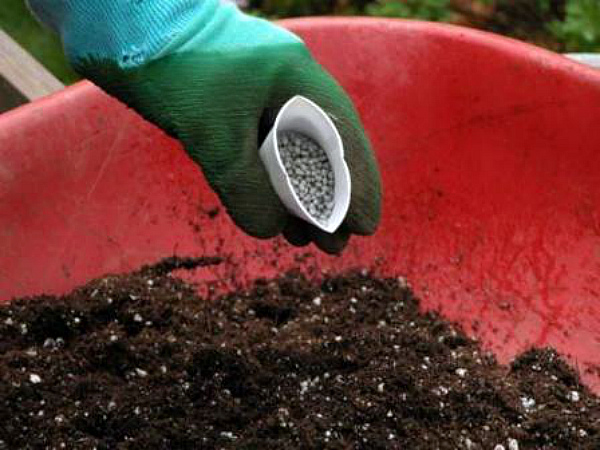
However, it's important to avoid overwatering the chosen location. Some gardeners, in pursuit of vigorous currant growth and abundant berries, may overdo it with fertilizer. Even high-quality fertilizers, if applied in quantities exceeding the recommended limits and those specified on the packaging, can actually harm the plants rather than benefit them.
Video: "Replanting and Rejuvenating Currants"
This video will teach you how to properly transplant and rejuvenate currants.