
Spraying currants in spring against pests
Content
How and what to spray with
As soon as the snow begins to melt in early spring, the branches of the currant bush should be treated with boiling water. A salt solution prepared with a kilogram of salt per bucket of water can also be used for this purpose. The recommended ratio must be strictly observed. Otherwise, the currant bushes can be burned.
A week after the first treatment, the berry bush should be sprayed with Intavir. To care for the plant, use folk remedies, including various tinctures. These solutions should be applied weekly according to a specific schedule.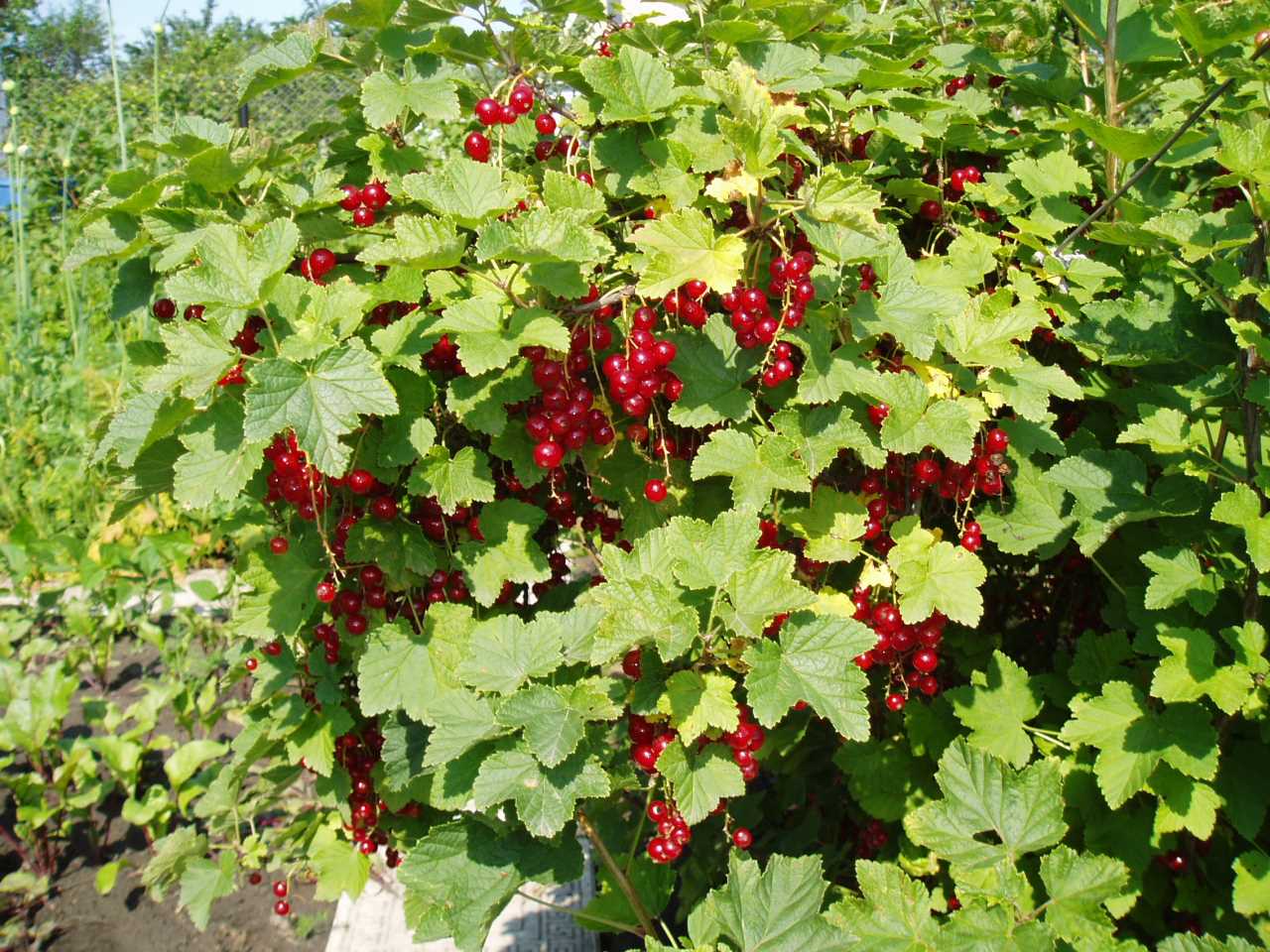
In the third week of life, the plant is treated with a mullein infusion. This solution should be prepared in advance. To do this, the manure, previously diluted in water, should be allowed to ferment. Only after this can the berries be treated. The ratio of mullein to water is 1:1 (it is recommended to use half a bucket).
Horse manure is effective in pest control. Apply one shovelful of it per plant in the spring.
Video: "How to Spray Currants in Spring"
This video will tell you what is the best way to spray currants in the spring.
Methods of pest control
Spraying currant bushes in spring against pests is specific. The agent and dosage are selected based on the specific pest attacking the berries.
Currant bud mites love to feast on currants. Once they land on the bush, they firmly settle in the buds, causing these organs to enlarge significantly. Therefore, it's quite easy to distinguish between healthy and diseased buds. The gardener's main task in this case is to detect infected organs promptly and prevent them from opening. Otherwise, numerous young parasites will emerge from the buds and cause significant damage to the crop.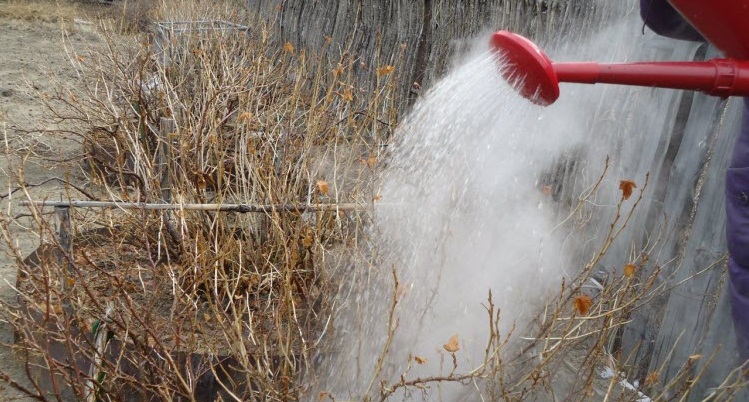
Timely action will help prevent this development. The first steps should be taken as soon as the first signs of the disease appear. The best result is achieved by removing the affected parts. After removing them from the bush, they should be burned.
To improve the effectiveness of pest control, spray the crop with a solution of colloidal sulfur or malathion. Certain chemicals and Bordeaux mixtures are also effective.
If the air temperature does not exceed 10°C on the day of treatment, the plants should be covered with plastic wrap after treatment. The treatment should be repeated after 10 days.
During spring development, currants are attacked by currant aphids. Signs of the parasite's presence include wrinkled and deformed branch edges. Additionally, clusters of small green bugs can be seen with the naked eye on the undersides of the bush's organs.
Good results in the fight against aphids or their eggs will be achieved by treating the bushes with a solution of Nitrafen before the buds swell.
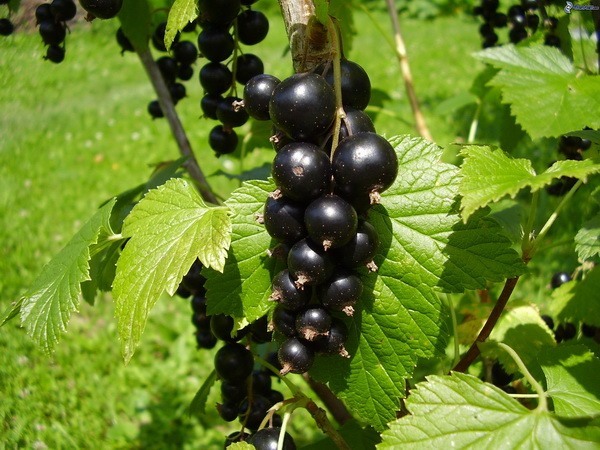
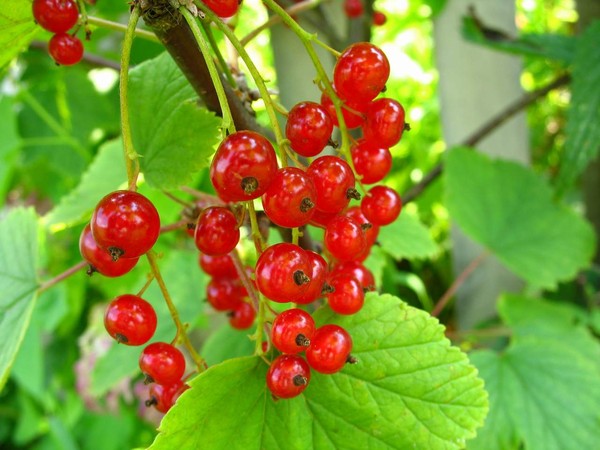
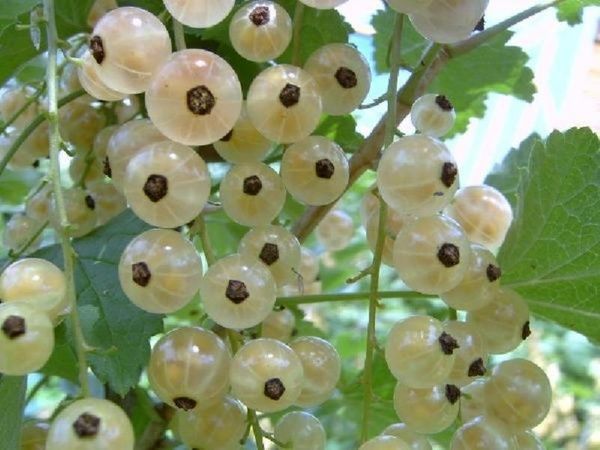
Extensive damage to the berry leaves is the result of a spider mite attack. The insect itself also resides on the underside of the leaf. The parasite can be driven away by removing the damaged leaves from the bush and then burning them. These measures are especially effective when combined with spraying the crop with a malathion solution.
Methods of combating diseases
Unfortunately, currants, like any other garden crop, can not only be attacked by harmful microorganisms but also suffer from certain diseases. Therefore, to avoid losing the entire harvest, it's best to treat the plants in the spring.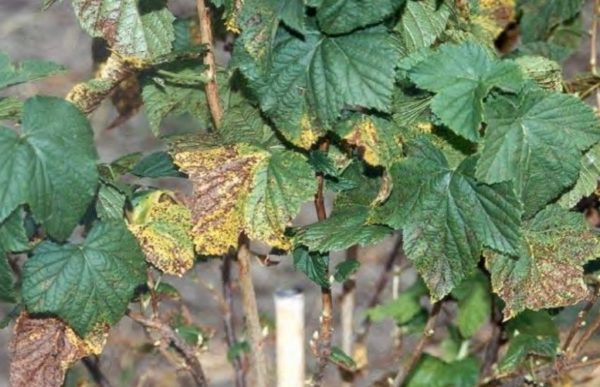
What should I spray currants with in the spring? The answer to this question depends directly on the type and nature of the disease. Furthermore, you can best protect your plants by knowing not only how to get rid of pests and diseases but also how to prevent them from occurring.
Diseases caused by certain fungi or viruses can significantly damage berry crops. Currants are particularly susceptible to the effects of anthracnose and powdery mildew.
Gardeners are increasingly noticing signs of various diseases on many crops. These diseases can affect both bushes and trees. Treatment should begin immediately. Failure to take action promptly could result in the loss of your entire berry crop.
How should currants be sprayed to protect them from powdery mildew? In this case, it's best to treat the crop with a nitrafen solution in early spring. During flowering, the plants should be left alone, but once the fruit begins to ripen, the bushes should be treated with a solution of Karatan or Benlat.
If the bush is severely affected, it is worth repeating the treatment a week after the first one.
Anthracnose is a fungal disease that affects the leaves of the plant. The disease most often occurs in the summer, but the first steps to combat it should be taken as soon as the weather warms up, in early spring.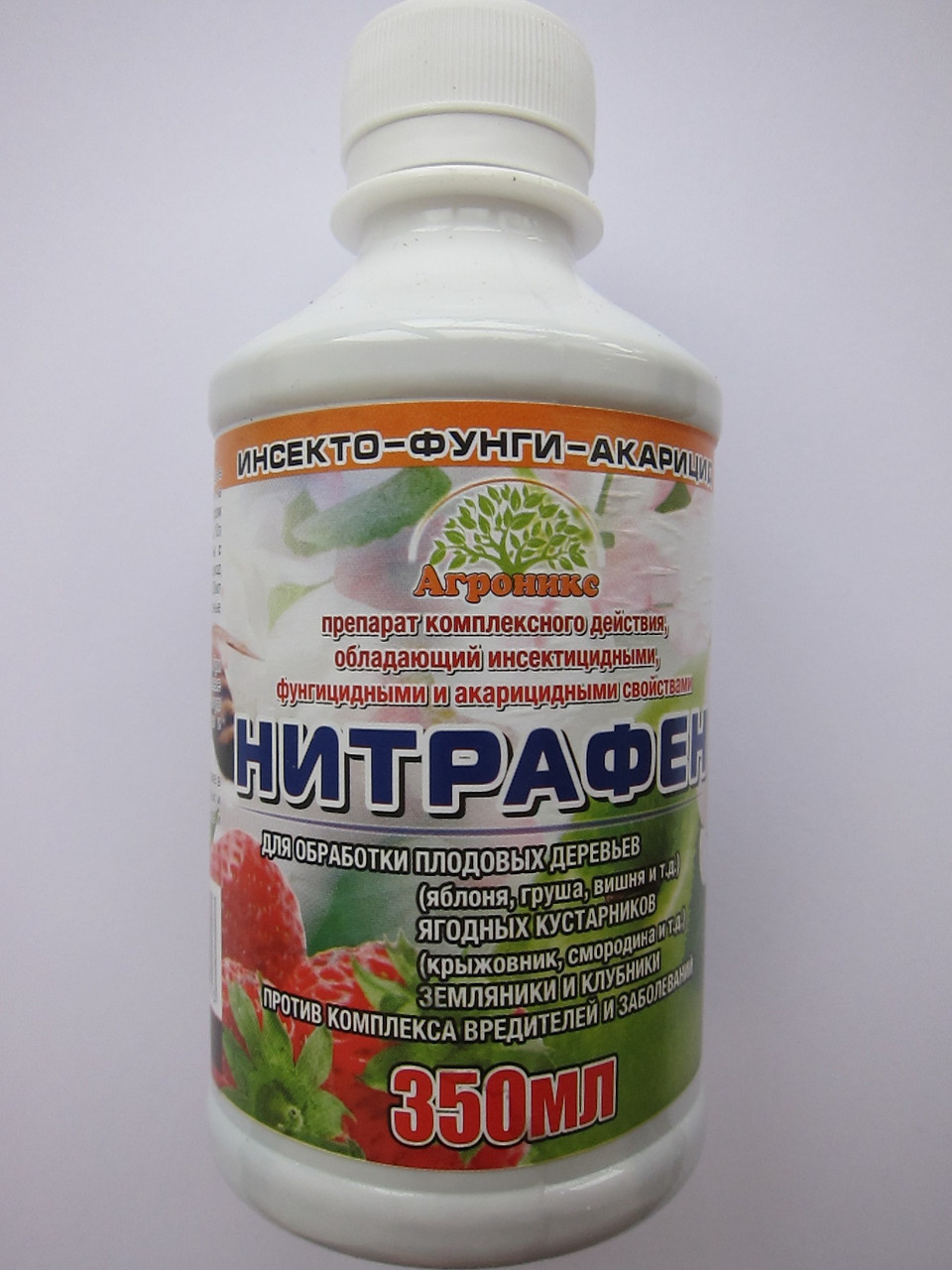
To combat and prevent the disease, spray currants and the surrounding soil with Nitrafen, or more precisely, its solution, in the spring. Before flowering, the crop should be treated with a sulfur solution (colloidal). The procedure should be repeated after a couple of weeks.
Prevention
As a preventative measure, it's worth protecting plants from diseases and pests. This will significantly simplify currant care. Preventative measures should be taken immediately after the snow melts. It's also important to complete treatments before the buds begin to swell.
In early spring, while the berries are still dormant, the bush should be pruned. Remove any unhealthy, dried, or damaged branches. Pay particular attention to the pruning process, and avoid leaving stumps behind. It is through these small, budding branches that the disease can spread throughout the entire tree.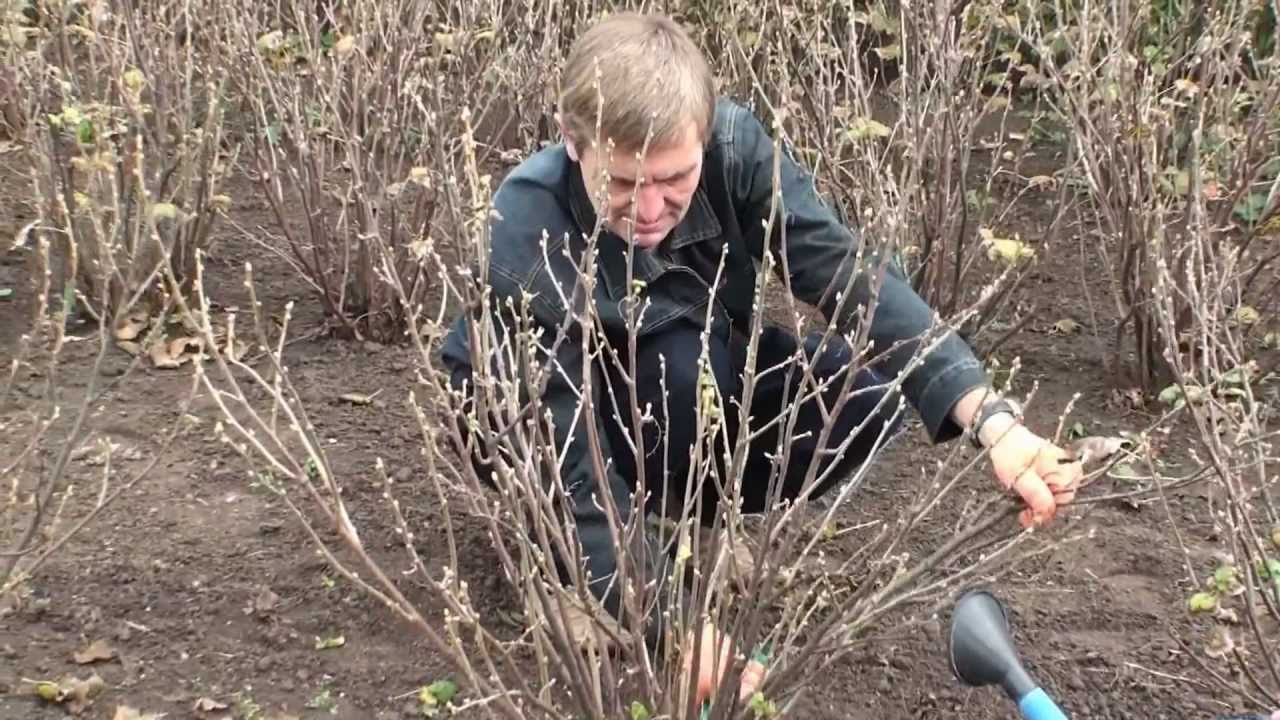
When caring for berries, it's essential to remove the top layer of soil near the roots. Any debris collected in this area should be burned. In most cases, pathogenic microorganisms thrive near the roots, creating the most favorable conditions for bacteria and insects.
When plants enter the vegetative phase, it is worth adding nitrogen to the soil, which has a beneficial effect on the formation of ovaries.
To prevent diseases, it is worth choosing for planting those berry varieties that are particularly resistant to diseases and parasites.
Sometimes, even properly organized and meticulous crop care can't protect plants from parasites and diseases. Crop losses can also be caused by a number of other factors. However, it's always worth monitoring the plants and ruling out any potential diseases.
So, it's important to pay close attention to currant diseases and pests. This is the only way to protect your crop from ruin.
Video: "Treating Currant Bushes with Boiling Water"
This video will show you how to properly treat bushes with boiling water.