
Description of the unpretentious black currant variety Gulliver
Content
Characteristics of the variety
This berry variety was bred by A. I. Astakhov and L. I. Zueva. Gulliver was added to the register of plant varieties in the early 2000s. The Gulliver blackcurrant, or rather the description of this variety, describes the plant as vigorously growing and with a lush crown. Therefore, the plant takes up quite a lot of space in the garden. The branches are green or soft olive, usually thick and curved. The leaves are a rich green and consist of three lobes.
The plant blooms with red-violet flowers. A cluster typically contains 9 to 17 flowers. It is quite dense and upright. This currant's flowering period occurs in the second half of May.
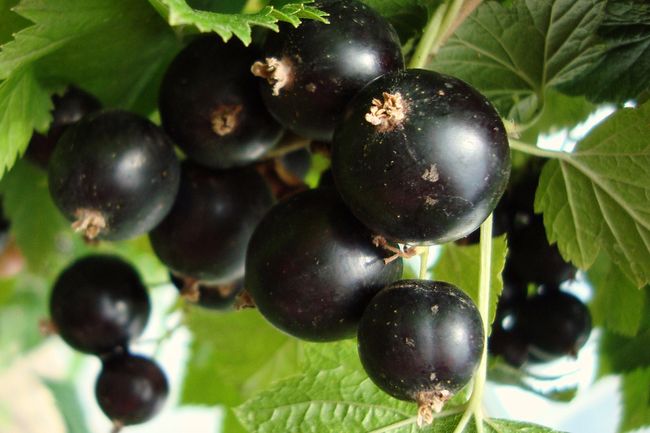
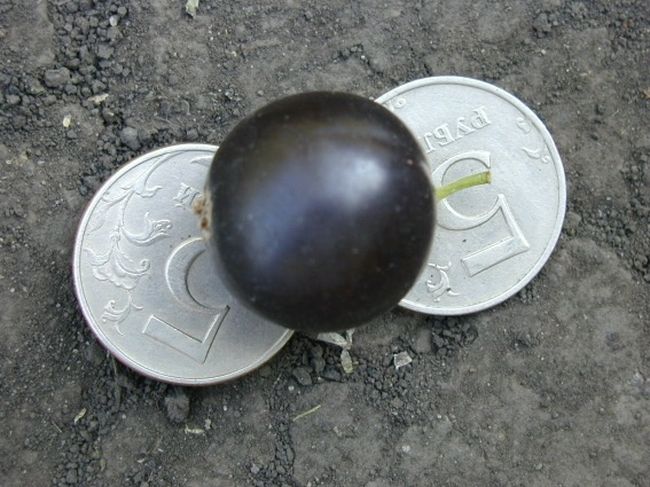
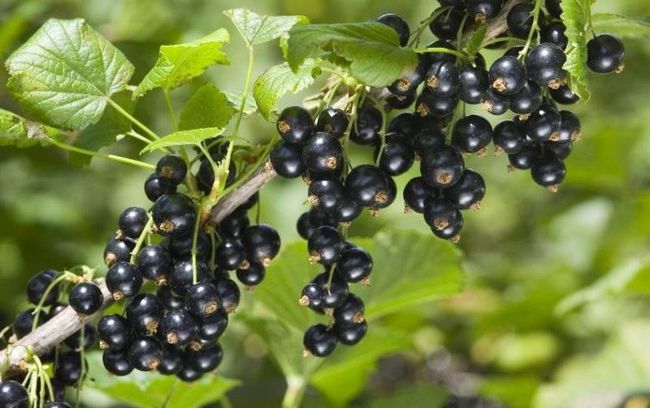
The berries of this variety are large and round. Each fruit averages over 3 grams in weight. They are dark in color and have a distinctive sheen. The fruits are sweet and sour in taste and quite firm. The berries have a pleasant aroma with a hint of freshness. The skin is thick, which makes them easy to transport. Gulliver currants are the richest in vitamin C among all currant varieties.
The Gulliver variety ripens early. Its fruits have a wide range of uses. The plant is self-fertile. On average, two months pass from flowering to ripening. The first harvest can be collected in mid-summer. The berries are eaten fresh or preserved for long-term storage. The leaves are used to make marinades for pickling vegetables and medicinal tinctures.
Advantages and disadvantages
Black currant variety Gulliver has the following advantages:
- high yield;
- resistance to frost and drought;
- spring frosts pass without negative impact on the crop yield;
- resistance to diseases such as powdery mildew, anthracnose, rust;
- resistance to kidney mite attacks.
The only weakness of this variety is its vigorous growth, which is why the bushes need to be planted at a considerable distance from each other.
Caring for currants
Caring for Gulliver currants involves the same basic steps as for other berry varieties. These include pruning, watering, and fertilizing.
Trimming
Since this variety has a spreading crown, pruning is especially important, as young shoots form very quickly.
Removing "superfluous" branches should be done in early spring or late fall. The main goal of this procedure is not only thinning but also removing all diseased and broken branches. Shoots older than five years should be removed immediately.
Watering
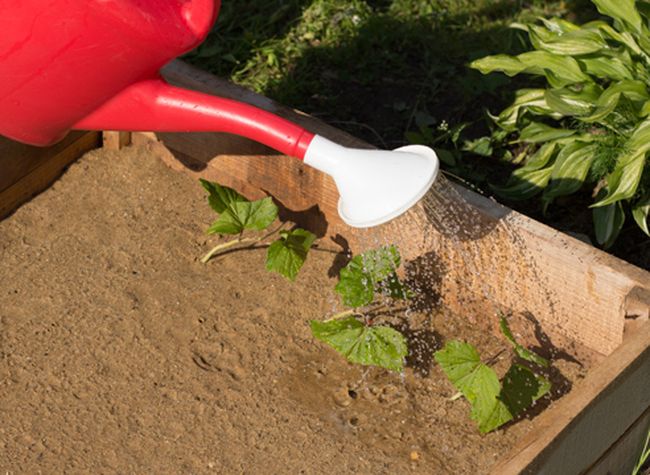
Currants are sensitive to moisture because their roots are located close to the soil surface. Moisture is especially important for the plant in June, as this is when the fruits ripen. If currants don't get enough water, their berries will begin to shrink.
In addition to regular watering in the summer, it's recommended to thoroughly but shallowly dig or loosen the soil around the bush in the fall. This simple procedure will help the soil remain moist for a long time.
Top dressing
The berry bush should be fertilized annually. If this isn't possible, you can apply fertilizer less frequently: once every two years. If the bush was planted in a hole with nutrients in it, then no fertilizer is needed for the first couple of years of its life.
In spring and summer, during fruit formation and ripening, and in late autumn, Gulliver should be fertilized with a complete shrub fertilizer. Liquid fertilizer is best. Before use, dilute the fertilizer in water according to the package instructions.
Reproduction
Gulliver currants can be propagated in three main ways: using cuttings or layering, or by dividing the bush. It's best to plant the bushes in the fall (early October). This procedure can also be carried out in early spring. However, rooting will be slower and more difficult in this case.
Dividing the bush should be done in early spring. To do this, hill up the base of the tree trunk from which the seedlings will be harvested. In early fall, dig up the bush, and plant the young seedlings in the garden.
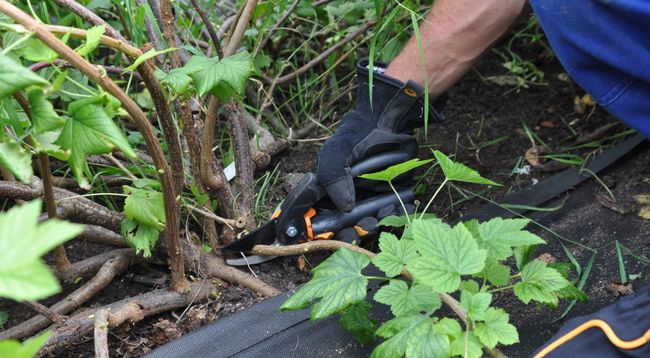
The cuttings are one-year-old, undamaged shoots, 0.07 meters thick and 0.2 meters long. The trunk is cut at an acute angle just below the buds. The opposite cut should be made at a right angle.
The cuttings are planted at an acute angle into pre-dug soil. Two buds should remain above the soil surface. The soil is leveled, watered generously, and mulched.
After planting, the cuttings are covered with slitted, darkened film. With proper care, the seedlings can be transplanted to their permanent location the following year.
Layering is a more common method of propagating berries than cuttings or division. To use this method, dig shallow holes around the mother plant.
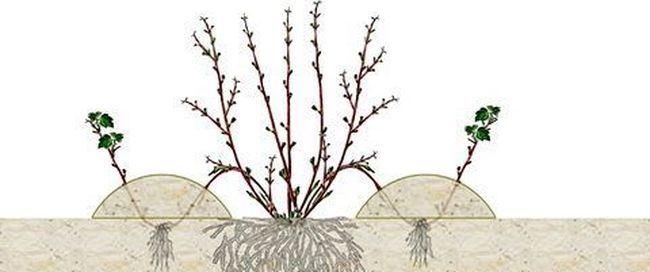
In early spring, annual shoots are slightly pruned. This procedure stimulates bud formation.
After this, the tops of the shoots should be placed in the grooves, secured with staples, and covered with soil. When the shoots reach a height of 0.08 meters, they should be earthed up. Monitor the soil moisture level and remove weeds promptly. With the onset of autumn, the shoots can be replanted.
The Gulliver variety got its name not only because of the size of its fruits. Growing this berry is also not significantly different from other currant varieties.
Video: "Proper Care and Planting of Currants"
This video will teach you how to properly plant and care for currants.