
Red currant Rovada - a description of the variety that surprises
Content
Features and useful properties of the variety
The red currant variety Rovada was bred in Holland, and from there the berry "came" to us. The plant's characteristics define it as a medium-sized cultivar with substitute shoots. The primary method of propagation is cuttings. The plant is considered fully developed by four to five years of age. It can bear fruit actively for up to 20 years. A typical bush can yield up to 10 kilograms of berries.
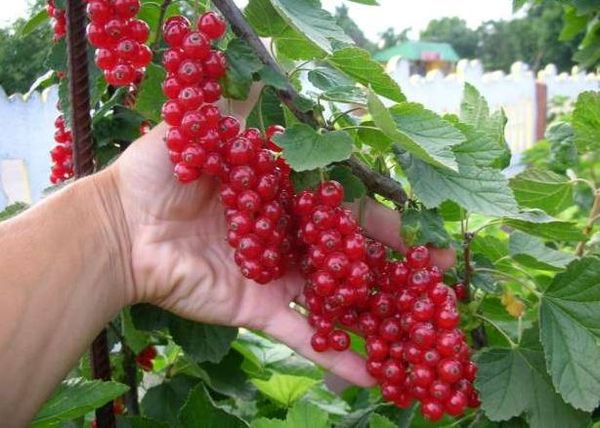
Regarding the plant's beneficial properties, the description of the red currant variety Rovada claims it is beneficial for blood and vascular disorders. The plant also has diaphoretic, diuretic, and antipyretic properties. The berry also has a positive effect on metabolism, accelerating it. The plant's fruits are used to treat gout and other ailments. Currants can lower blood sugar levels. They are also often used in cosmetology to combat age spots and even out skin tone.
Planting and care rules
As mentioned, red currants are primarily propagated by cuttings. There are several ways to increase the number of plants: either by burying branches or by pruning and removing healthy parts to create a new generation.
Basics of growing crops
Growing Rovada red currants is in many ways similar to the same process used for cultivating other varieties. However, the plant does have some specific planting and cultivation requirements.
Agricultural technology rules
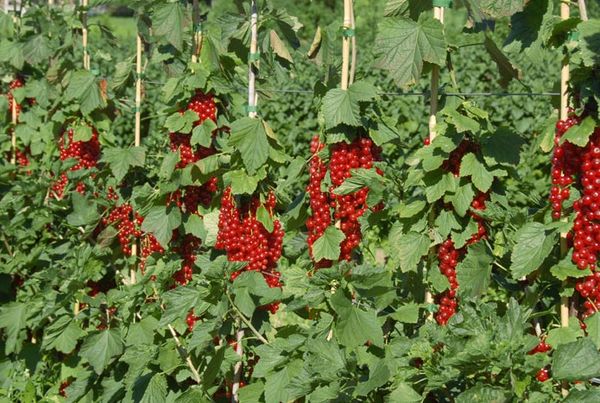
Seedlings are usually planted in spring or fall. They are characterized by a high survival rate. Young plants should be planted in sunny, moist areas, well-protected from wind and drafts. Rovada currants tolerate frost well and are also resistant to various diseases. This variety is considered a commercial variety due to the appearance of its fruits.
Mistakes when growing
Gardeners, especially inexperienced ones, often make mistakes when growing berries. For example, the bush isn't growing well, is often plagued by disease, the berries are getting smaller, and the roots are rotting? This is the result of improper cultivation. What can be done?
First, pay special attention to the soil in your area. It may differ in composition from your neighbor's soil. Specifically, its acidity may vary. Therefore, it's essential to check the soil's acidity before planting!
Secondly, when grown near a water reservoir, the bush often becomes thin and produces few berries. The only way to correct this is by replanting the plant. No amount of fertilizer will remedy this situation.
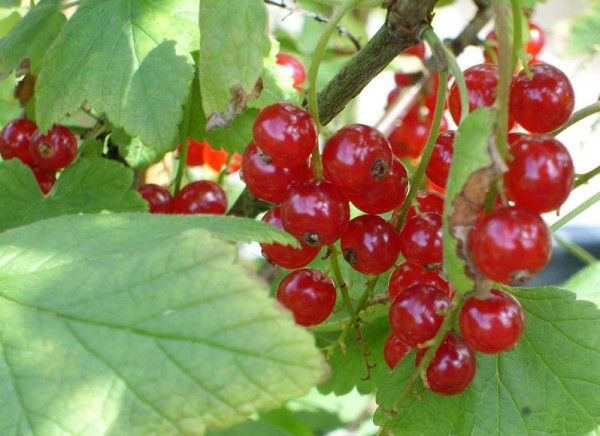
Third, you planted your berry bush under trees and are surprised that the harvest is meager? In vain. Planting under fruit trees doesn't guarantee a bountiful harvest. The roots of the currant bush and the tree are intertwined, interfering with each other's growth. Furthermore, the berries don't get enough light because the canopy casts a shadow.
Tips for gardeners
If your currants are attacked by pests such as gall aphids (marked by red blisters on the leaves), you can combat them by spraying with a malathion solution. Powdery mildew is difficult to prevent; it's much easier to combat. Simply treat the affected plants with a Topaz solution.
The aroma of tomato leaves is also a good disease repellent. Therefore, it's a good idea to plant tomatoes near currant bushes. When planting seedlings, it's acceptable to fertilize them with potassium sulfate superphosphate.
You should not harvest the berries one by one; it is better to cut them in bunches.
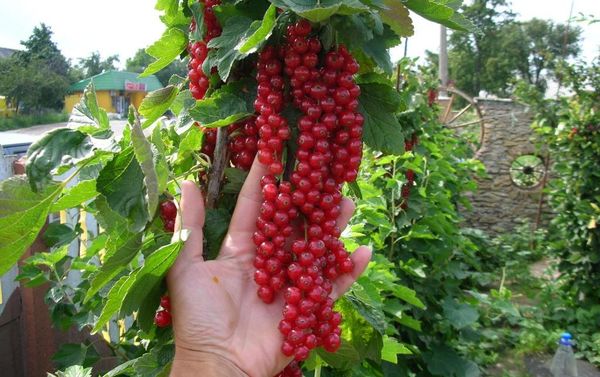
So, Rovada is a variety of currant most often grown commercially. Growing this plant is simple and largely similar to other varieties of this berry.
Video: Growing Rovada Currants
This video will show you how to properly grow the Rovada red currant variety.