
Treating currants in spring from diseases and pests: the best methods
Content
Spring processing schedule
Wait a bit before answering the question of how to treat currants to prevent pests from causing irreparable damage. Not only the care and treatment you choose are crucial, but also the frequency and timing of treatments. When is it recommended to perform these procedures?
- Before the buds open on the bushes. Some pests are dangerous because they are quite resistant to sudden weather changes. Some insects, having settled inside the shoots or on the branches and leaves of a currant bush, can successfully survive even severe frosts. Then, with the onset of early spring, they become active again with renewed vigor. If you don't want this to happen, treating your currants in the spring is a must.
- The beginning of the budding period. There's no need to wait until the bushes are fully blooming. It's recommended to treat them when the petals are just beginning to separate. If you treat them properly, pests such as aphids, spider mites, and bud mites will die early in their life cycle on the currant bushes.
- Immediately after flowering ends. By treating at this time, you can eliminate colonies of powdery mildew, gall midges, gooseberry moths, and spider mites, all of which are quite dangerous pests;
- Ten days after currant bushes bloom, it's recommended to perform a three-stage treatment using professional medicinal products. Remember to follow the 10-day intervals—overdoing the plant with such ingredients is not recommended. Why should you perform these treatments? If you're facing a serious threat such as sawflies, gall midges, powdery mildew, or moths, these precautions are essential.
-
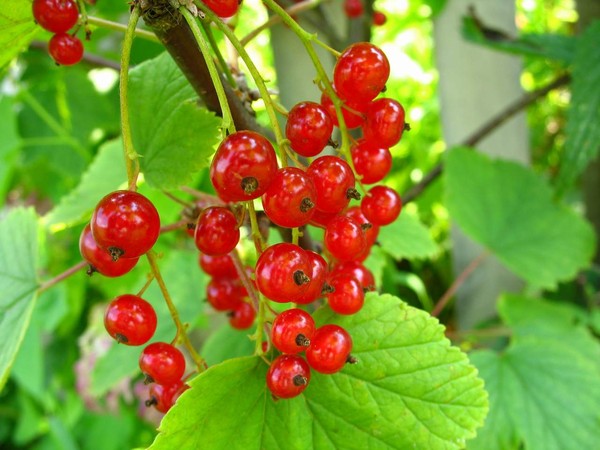
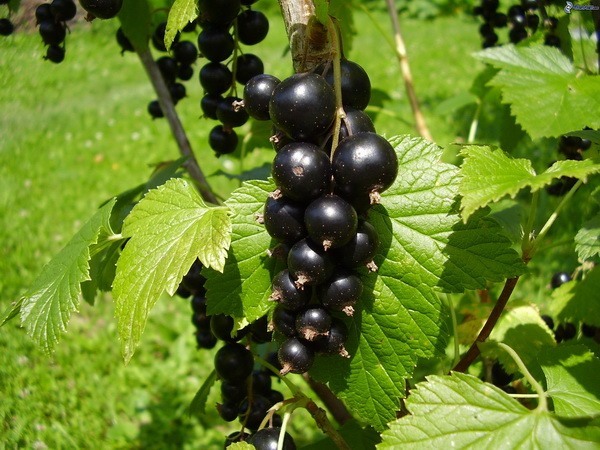
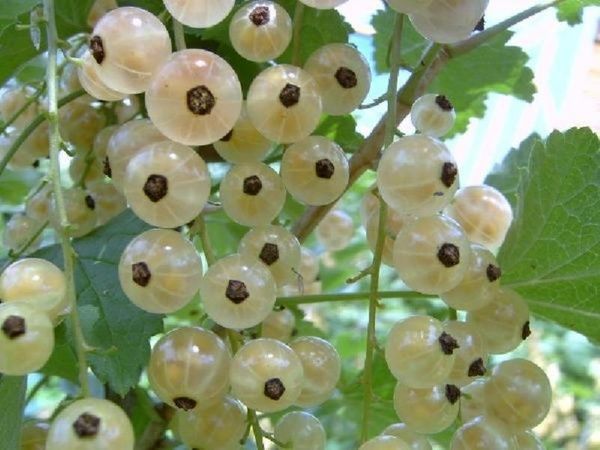
Spring currant treatment should be carried out according to the schedule established by specialists. Basic recommendations should be followed. For example, currant bushes should be treated not whenever you feel like it, but at specific times.
There are periods during the development of currants during which it is forbidden to spray the plants with any medicinal preparations, and this includes the period of the bush’s direct flowering. Remember that treating currants for pests is a crucial step in growing these berries. Pay close attention to the timing of each treatment step to prevent further damage from pests.
Video "Currant Pests"
From the video you will learn about the main pests of the bush.
Pest control
Paying sufficient attention to currant bush care is essential if you want to ultimately reap a bountiful harvest, rather than frantically trying to alleviate the suffering of your plants from insect infestations. Therefore, treating currant bushes for diseases and pests in the spring should be your top priority. Which pests can harm currant bushes?
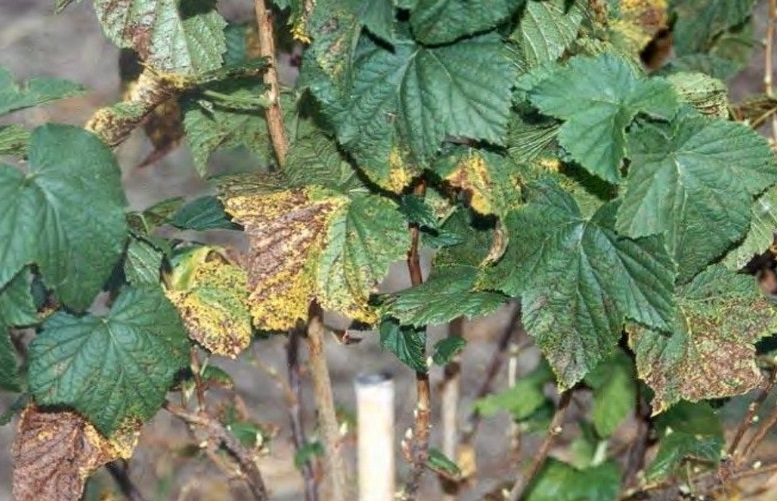
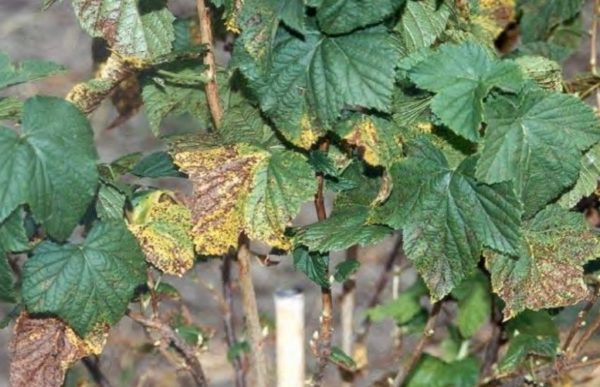
- Bud mites. These insects initially hide in the plant's buds, so if they are noticeably swollen, it's quite possible these pests are already infesting your garden. Interestingly, a single currant bud can harbor up to several thousand of these insects. How can this pest be combated? Experts recommend simply cutting off the infected shoots and burning them. After this procedure, spray the bush with a colloidal sulfur solution.
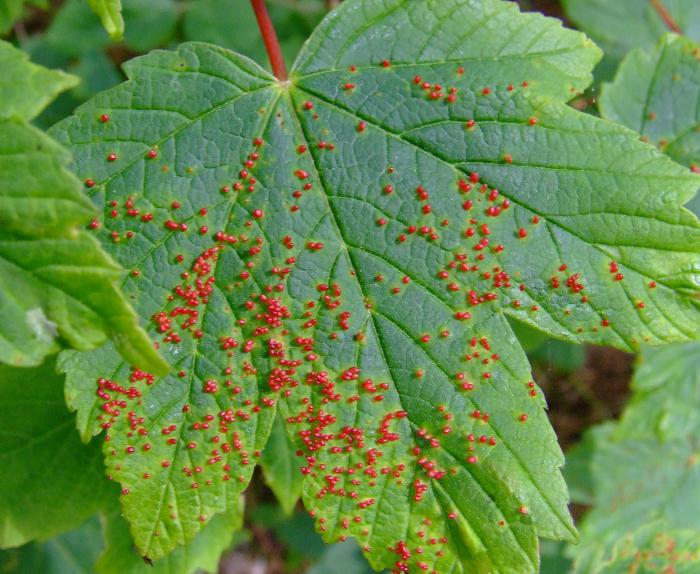
- Currant aphids. These pests primarily affect the shoots of the bush. Soon after the insects settle on the surface of the currant bushes, their leaves begin to curl and appear very wrinkled. These pests can be eliminated with a solution of nitrafen or chlorophos.
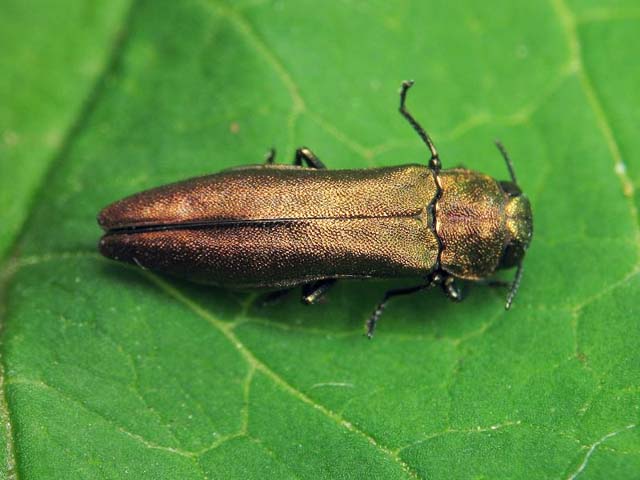
- Currant borer. What's so dangerous about this pest? The problem is that currant borer larvae primarily damage the plant's shoots. As a result, the tips of the shoots dry out first, and then the entire shoots die. This infestation poses a serious threat to your currant bush, as the bush begins to bear fruit much less. So what should you do in this case? There are actually several options. Simply trim off the shoots damaged by the insects and then burn them.
You can protect currants from pests using professional biological products. However, keep one important caveat in mind: these products are only effective if the outside temperature is at least 13 degrees Celsius. Otherwise, the effect will be negligible. If treating currants with these products in early spring is not possible (which is quite possible, as this bush develops quickly and temperatures may remain unfavorable for biological treatments), you can resort to the good old method of dousing them with boiling water.
The most important thing is to treat currant bushes before flowering. So how do you water them properly? Bring the water to a boil, then let it cool slightly before watering the bushes.
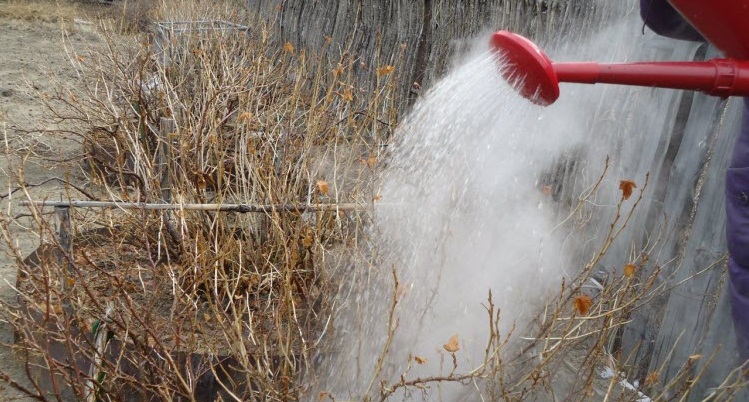
Interestingly, a single treatment is enough to get rid of, for example, kidney mites. Which method is best for you depends on the type of pest you're dealing with, as well as weather conditions and your personal preferences.
Treatment for diseases
Controlling currant diseases is a labor-intensive task. If you don't want to mess around with biological treatments and worry about the harvest and the integrity of your currant bushes, it's best to provide comprehensive care. But if this isn't successful, and some mistakes were made, it's important to understand the different types of diseases and their treatment methods in more detail:
- Terry growth. The integrity of the plant's shoots is compromised. Initially, symptoms of disease and pests are virtually unnoticeable, but over time, the currant bush completely ceases to bear fruit;
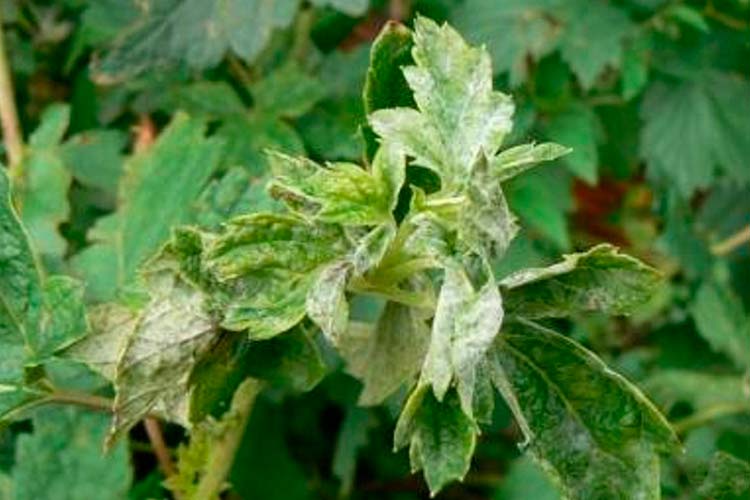
- Anthracnose. This is essentially a fungal disease that affects the shrub's leaf blades. It's best to eliminate this infection in the spring, otherwise, future yields will be significantly reduced.
- Powdery mildew. This scourge can plague not only currants but also other shrubs and trees. In this case, you need to act quickly if you don't want to lose your currant bushes.
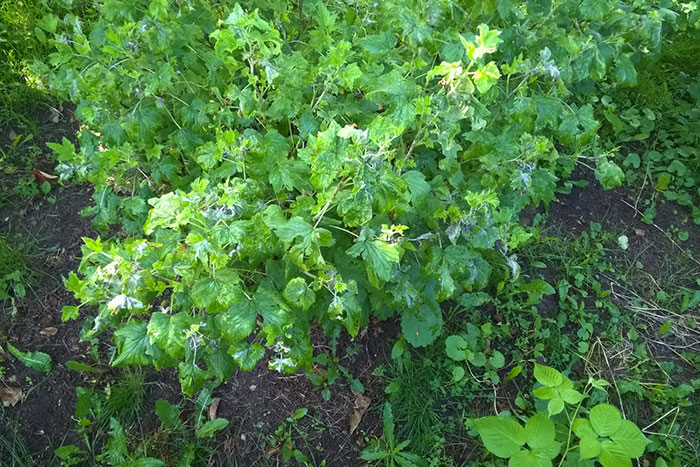
Blackcurrants and other varieties suffer from various diseases in the spring. With proper care and treatment, you can quickly resolve this problem. Knowing how to treat currants in early spring can also help prevent recurrence.
Video: "How to Treat Currants"
This video will show you how to effectively treat currants.