
Processing currants with boiling water in spring: implementation technology
Content
Why carry out heat treatment?
Pouring boiling water over currant bushes solves several problems at once. It's the safest way to combat the currant bud mite, a virulent pest of currants and a vector of diseases, particularly leaf rot. The bud mite lives and overwinters in the buds. It settles there in the fall, and in early spring, as soon as the currants awaken, the mite begins its parasitic activity. Females lay a huge number of eggs in the buds, from which new pests emerge at an incredible rate.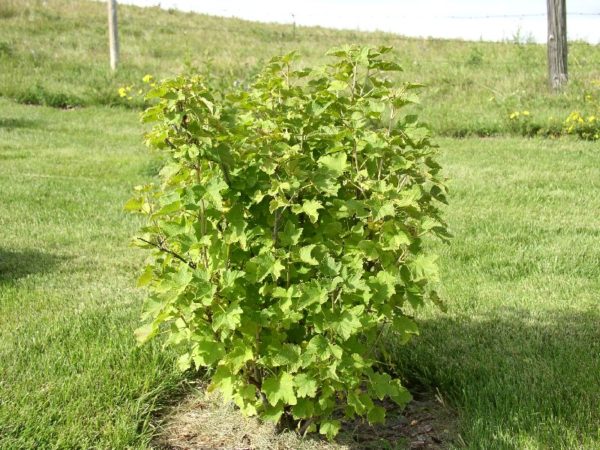
The buds infested by the mites develop poorly, as evidenced by deformed, frayed leaves. Signs of damage to the bushes, such as thickenings at the site of buds, become visible even in winter, making infested plants easy to identify long before spring treatment. The mites and their larvae are very sensitive to high temperatures, so pouring boiling water on currant bushes quickly kills the parasites.
Treating blackcurrants with boiling water in the spring also helps combat fungal diseases. Previously, gardeners only treated the soil with hot water, believing that fungal spores would fall into the soil with fallen leaves. However, some spores still linger on the shoots, and as soon as the weather warms up, they become active. That's why it's recommended to water not only the soil but also the bushes in early spring. And if you add a little salt, potassium permanganate, or copper sulfate to the treatment solution, the results can exceed all expectations—the bushes will be lush, and the yield will increase significantly.
The use of boiling water also provides a number of other benefits, such as warming the soil and increasing plant resistance to adverse external factors. Bushes treated with boiling water experience a specific stress, as a result of which their immunity, productivity, appearance, taste and commercial quality of berries improve.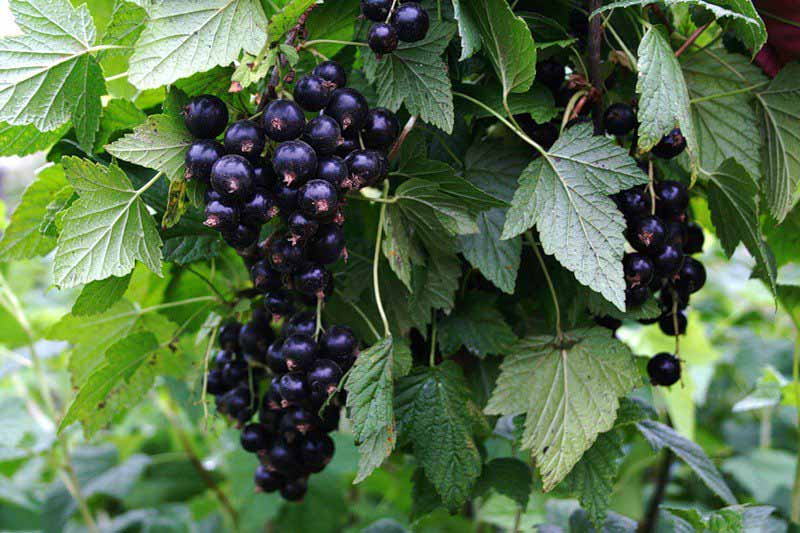
The key is to know exactly when to water the currants. Spring and fall are theoretically suitable, but early spring treatment is preferable, as it somewhat promotes the awakening of the currants.
Video "Boiling with Water"
This video will show you how to properly treat currants with boiling water.
Technology of heat treatment
It's best to pour boiling water on currants before the snow melts – this ensures that buds haven't begun to develop. Before scalding, it's important to take some preparatory steps to avoid getting distracted by minor details later:
- identify shrubs that require treatment, diseased plants, and those affected by harmful insects (aphids, mites, ants);
- think in advance about the order in which you will water the bushes; this will help save time and prevent the water from cooling down;
- To make it easier to scald the bush, it is recommended to tie the shoots at the top;
- Prepare your tools: a metal watering can with a good spray nozzle (a plastic one may become deformed under the influence of boiling water), a thermometer, and the boiling water itself.
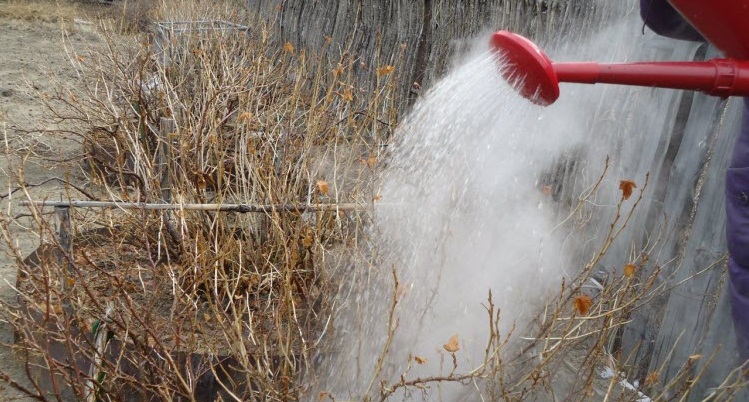
It's important to remember that scalding currant bushes with 100% boiling water is not recommended, as it can burn the plants. The water temperature should be no more than 80°C, but it typically cools to 70-60°C when poured and when in contact with the branches. This temperature is ideal for preventing damage to the bushes and killing pest larvae and fungal spores.
A thermometer is used to measure the temperature of the working fluid. The normal range is 80-60°C—higher temperatures will harm the bushes, and lower temperatures will not produce the desired effect. It's best to use a watering can to spray boiling water on the bushes, as pouring boiling water from a bucket is not practical.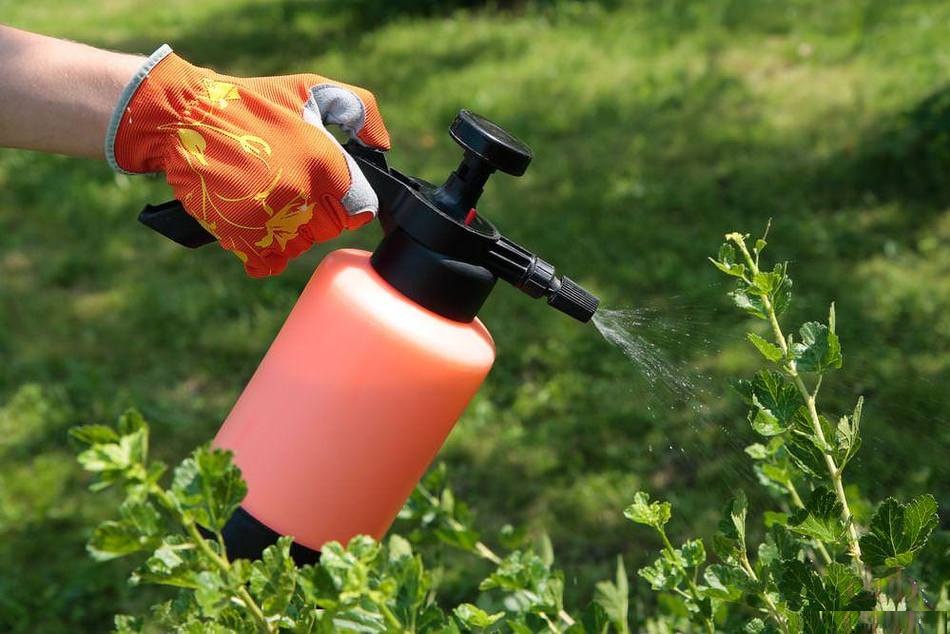
Heat treatment of currant bushes is carried out as follows: boiling water is poured into a watering can and, while the water is still hot, the currant bushes are growing. Water the branches evenly and thoroughly, without missing a single one. The distance from the watering can to the branches should be approximately 10 cm. Each bush is watered for 5 seconds.
The ground around the bushes is also doused with boiling water, but since it cannot be poured directly onto the roots, it is recommended to cover the area around the trunk with sheets of slate, iron, or other available materials.
This is how you can quickly and effectively rid your currant bushes of pests and diseases in early spring, as well as ensure excellent plant immunity to all negative external factors, which, of course, will have a positive impact on yield.
Video: "Spraying Currant Bushes for Pests"
This video will show you how and what to spray currant bushes with to prevent pests.