
Processing currants after harvesting in autumn
Content
Why is autumn treatment necessary?
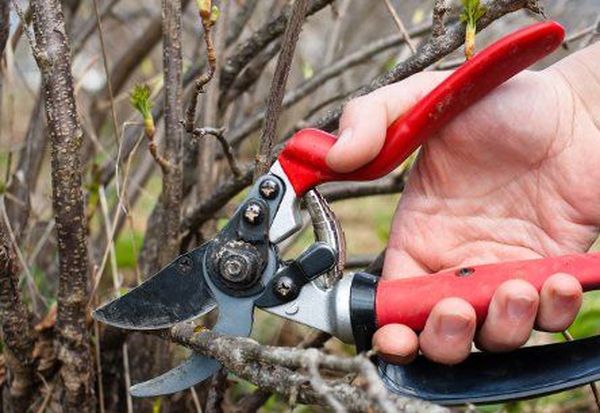
Autumn treatment of currant bushes after harvesting involves pruning dry, diseased branches and applying minerals or organic fertilizers. Pruning will help protect the plant from pests and diseases in the fall. Shoots that are five years old and the thinnest and weakest parts should be removed. Any affected parts or those susceptible to pest attacks should also be pruned.
Preventative measures to prevent currant diseases include spraying the berries and soil with a solution of colloidal sulfur or malathion. Remember that treating currants in the fall is the key to successful berry cultivation.
Processing rules
After harvesting, currant bushes must be treated according to certain rules;
- First, in addition to removing old and weak branches, you need to get rid of shoots infested with glassworms. These shoots are usually wilted and dry, and their cores are black. If possible, you should also remove any shoots attacked by bud mites, as well as weak young shoots covered in powdery mildew, right down to the base.
- Secondly, if you have an "old" bush growing in your garden bed, it's worth rejuvenating it. However, don't overdo the pruning. If you plan to remove a large number of old branches, do so in several stages. That is, you should prune for three years, removing a third of the branches annually. Treat the cut ends of thick branches with garden pitch, and burn the removed branches.
- Thirdly, after pruning has been completed, it is necessary to carry out autumn preventative spraying of the bushes with a solution of malathion or colloidal sulfur.
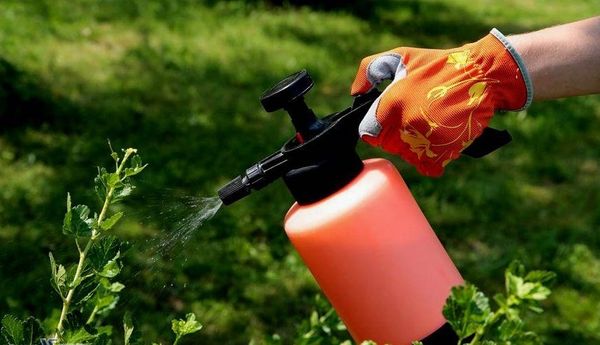
- Fourth, the choice of fertilizers for treating berry bushes depends on the desired outcome. Therefore, if you want to fertilize the plants and the surrounding soil, apply minerals or organic matter. If you want to combat plant diseases or get rid of pests, treat the bushes with protective agents, such as malathion or Bordeaux mixture.
Mineral fertilizers
Following all the rules for growing currants and providing proper care makes the plant resistant to any diseases and pest attacks. Timely and appropriate fertilization also has a positive effect on the berry's immunity. Fertilizer dosages and timing vary for each plant. So, which nutrients should you choose for plant nutrition to increase the berry's resistance to diseases and pests?
If sufficient fertilizer was added to the hole when the currant bush was planted, there's no need to fertilize it for the next couple of years. Two years after harvesting, a mixture of potassium and phosphorus should be added to the soil. To do this, add a spoonful of chloride-free potassium and double superphosphate granules under each bush.
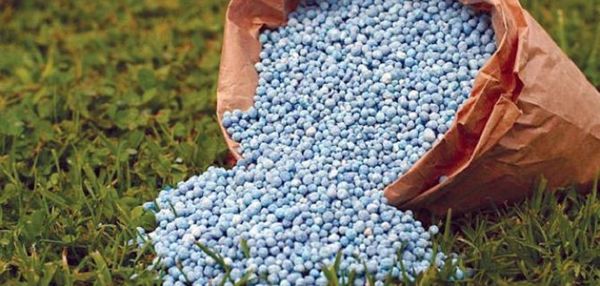
After this, each plant should be watered with a bucket of water. If fertilizing the plant during rainy season, simply pour the nutrients into the soil. All fertilizers should be scattered around the perimeter.
Additional feeding in the fall may consist of manure with a high potassium content (a bucket for each bush), a solution of superphosphate and potassium phosphate, or nitrophoska.
Organic fertilizers
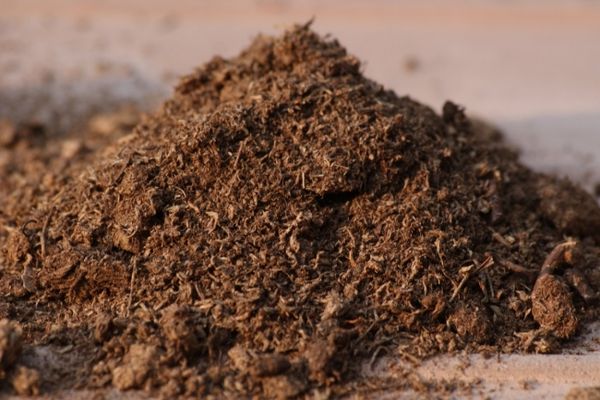
You can also fertilize the berries and the soil around the bush with organic matter. In the fall, currants need to be fertilized for two to three months. The nutrients added need time to benefit the plant. Organic matter (for example, chicken manure or chicken droppings) decomposes within six months.
As a result, the substances will begin to work in March. As a result, the green mass will begin to grow after about three months. Therefore, this treatment should be carried out throughout the year, with regular fertilization to ensure the shrub receives a steady supply of nutrients.
Pruning bushes as part of the treatment
Before treating currant bushes with special preparations, the bush should be pruned. In the first three years after planting, currant bushes should be thinned for sanitary and preventative purposes. This pruning involves removing diseased, thin, and trailing branches. Older currant bushes are pruned for rejuvenation. For this purpose, old and weakened branches are removed, leaving four branches of two- and three-year-old shoots and seven of one-year-old shoots.
When pruning currant bushes, keep in mind that red and white currants form on older branches, while black currants form on younger ones. The best bush shape for red and white currants is a cup-shaped bush. This consists of five main stems, pruned to 0.2 meters from the ground. Blackcurrant bushes should be shaped according to the berry variety: either spreading or compact. However, avoid overcrowding. Older branches should be removed at the soil level. This encourages the growth of new shoots.
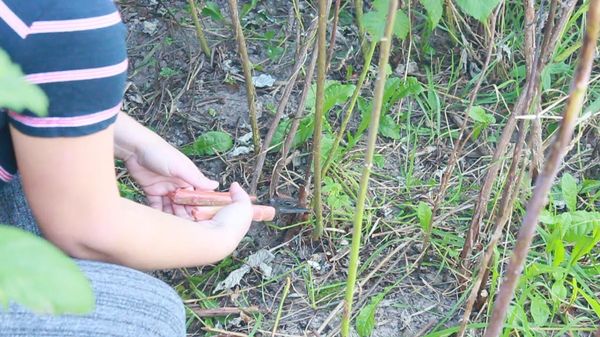
Old branches (three years and older) on blackcurrant bushes should be removed immediately after harvest. Subsequent pruning of other berry varieties should be done during the dormant period, when the foliage has completely fallen. This period usually occurs in late autumn.
So, treating currants in the fall after harvesting is multifunctional. It helps protect plants from pests and diseases, rejuvenate old bushes, and prepare the crop for winter. This way, you can reap a bountiful harvest of berries in the spring.
Video: "Autumn Currant Care"
In this video, an expert will share secrets on how to properly care for currants in the fall.