
Folk remedies for fighting aphids on currants
Content
Causes of occurrence
The pest is a small insect, no more than 3 mm in size. Its color ranges from gray-yellow to light green. Causes of the currant bug include purchasing infested and untreated seedlings, using soil contaminated with parasite eggs, and the transfer of larvae by wind, clothing, animal fur, or ants.
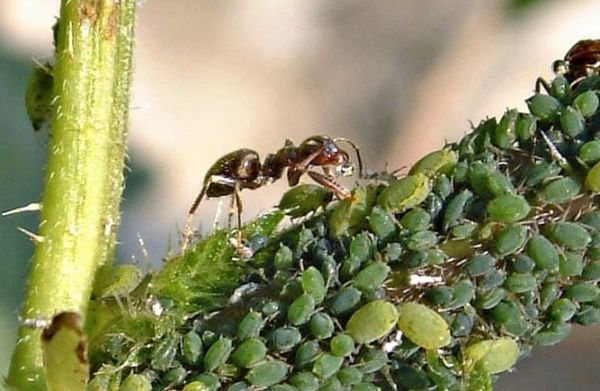
The insect colonies' activity results in yellowed and curled leaves on shrubs, deformed branches, underdeveloped fruit, and subsequent drying out. A characteristic sticky white film usually appears on the surface of the foliage. This film also appears on flower buds.
As a result, the plant's resistance to viral attacks decreases. The pests are most active in early summer. The grown winged offspring are able to fly through the air and continue to damage the plants, piercing the leaves with their proboscises and sucking their sap.
General principles
When treating the leaves, be sure to rinse them with water, blotting them with cotton swabs. Bushes are traditionally sprayed with soap solutions combined with ash. Herbal infusions and decoctions, which exhibit excellent insecticidal and phytoncidal properties, have proven effective.
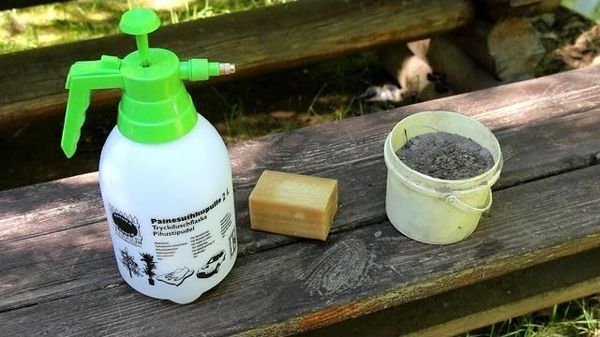
For greater effectiveness, add laundry soap to the decoctions at a rate of 35-45 grams per bucket of water for the infusion. Plant treatment should be scheduled for the evening hours on dry days. The underside of the leaves deserves special attention, as this is where harmful insects most often nest. A second treatment is usually performed a week after the first.
Effective folk remedies
If a gardener discovers aphids on currants, what folk remedies should be used?
- The practical experience of many gardeners demonstrates the effectiveness of a solution based on laundry soap. To prepare it yourself, use 300 grams of soap per bucket of water. The soap must be crushed first.
- You can make an ash solution. To do this, pour 300 grams of ash into one bucket of liquid. After boiling the mixture, add no more than 50 grams of any soap you have in your household.
- An excellent choice among other folk remedies is the use of potato tops. Chop them, soak them in warm water, and leave for 1 hour.
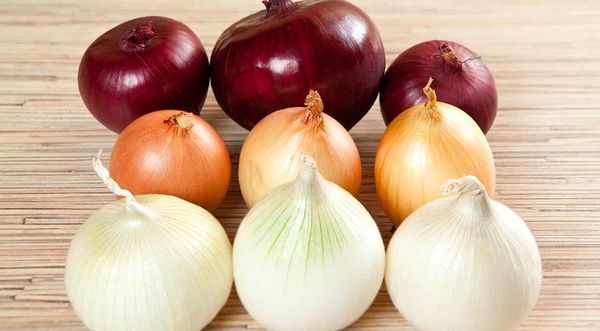
- Onions can also be a helpful tool for gardeners. Chop 200 grams of onions and then add 10 liters of water. After the mixture has steeped for 24 hours, you can begin spraying the bushes.
- To prepare a garlic infusion, take 1 cup of crushed garlic and 1 liter of water. Let this infusion steep for 5 days. Shortly before your scheduled spraying, dilute the prepared solution at a rate of 25 ml per bucket of liquid.
- Good natural remedies include tobacco and makhorka infusions. Take 400 grams of each and add one bucket of room-temperature water. After one day, strain the solution, dilute it 50/50 with water, and add 50 grams of crushed soap.
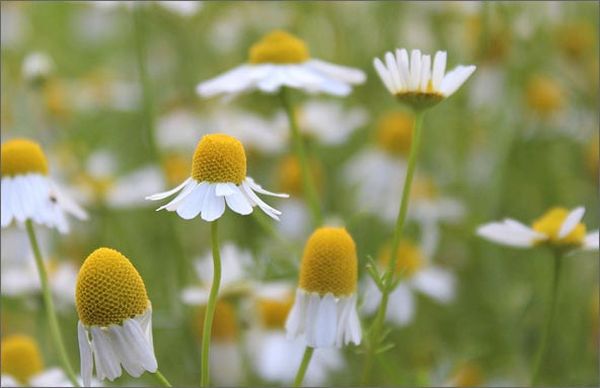
- Another excellent remedy is chamomile. Use 1 kg of chamomile per bucket of water. Let it steep for about 12 hours, then strain. Dilute the mixture 1:3 shortly before use. For a more effective effect, add a little plain laundry soap.
- Dandelions, which begin to appear everywhere with the arrival of warm weather, can be used to kill insects. Take 600 grams of flowers and pour 10 liters of water over them in a suitable container. After soaking for no more than three hours, the resulting infusion can be used to treat shrubs.
- A good folk remedy can also be made from the dried stems and leaves of yarrow. Prepare 1 kg of the raw material, pour boiling water over it, and steep it in a water bath for 30 minutes. Before use, dilute the infusion to make 10 liters. Then let it steep for a while longer, in a fairly dark place.
- Some gardeners use horse sorrel infusion. To do this, use approximately 400 grams of the herb per 10 liters of water. Be sure to strain the infusion before use.
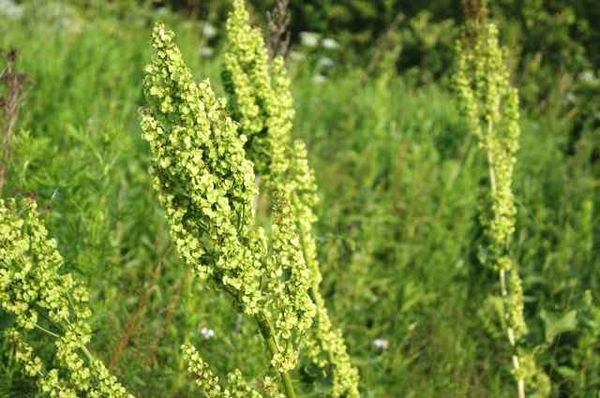
- You can use 3 kg of fresh celandine leaves. Infuse them in 10 liters of liquid for about 24 hours.
- Another acceptable solution is to combine 1 kg of capsicum with 0.5 kg of dried pepper. Add all ingredients to 10 liters of water. Before use, dilute 0.5 cups of the pepper solution in 10 liters of water.
- Sometimes a tomato solution is used. Take 5 kg of tomato, add boiling water, and simmer for no longer than 30 minutes. After straining, add soap. The finished solution should then be diluted to 10 liters by adding liquid.
- It's recommended to soak 500 grams of marigold flowers in 1 liter of water. Then, leave them in a secluded place for several days. Be sure to strain the infusion before using.
- Don't throw away the peels left over from peeling citrus fruits. They can be beneficial if you soak 100 grams of the peels in 1 liter of water. After three days, you can begin spraying your currants.
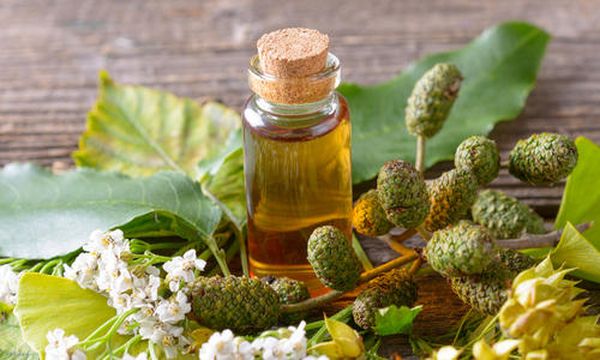
- A decoction of alder leaves is also often used. One kilogram of alder leaves should be steeped in five liters of liquid. After the solution has boiled for no more than half an hour, it should be cooled and can be used to treat shrubs.
Aphid prevention
It's always better to take preventative measures than to be confused later about the best insect control solution. For prevention, it's recommended to remove all weeds from under currant bushes in early spring. Scheduled sanitary pruning, which involves removing all branches affected by various diseases, also helps.
Experienced gardeners use accessible methods to attract beneficial insects, such as the gall-forming variety of the pest, to their diet. These are the well-known and peaceful ladybugs.
Scalding the bush with boiling water also produces excellent results. To encourage beneficial insects to settle in your garden, it's recommended to plant marigolds, yarrow, tansy, and allisum near currant bushes. Some beneficial bugs prefer crops such as buckwheat and dill.
Video: "Effective Aphid Control"
This video will teach you effective ways to control aphids on plants.