
Universal early black currant variety Nara
Content
Characteristic
The Nara currant variety is an early-ripening variety. It was developed by breeder A.I. Astakhov by crossing the Golubka seedling with the 32-77 variety. In the late 1990s, Nara was added to the variety register. It is recommended for cultivation in the Northwestern, Middle Volga, and Central regions.
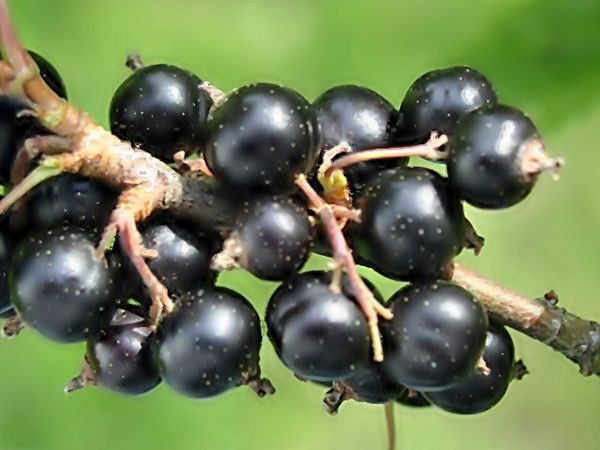
The plant grows to a medium-tall, compact bush. Young shoots are light in color and matte in texture. They are usually curved rather than straight.
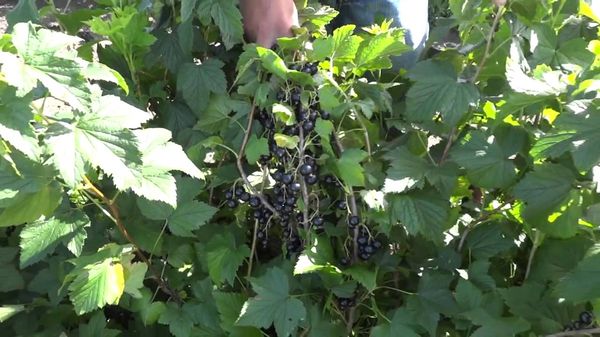
The plant's leaves are described as follows: 3-lobed, large, green, and slightly convex. The apex of the lobes is pointed, and the base of the leaf blade has a shallow notch. The teeth along the leaf margins are short and blunt.
The bush produces medium-sized flowers. These are typically pale red. The sepals are medium in size. The raceme is short, consisting of 6 to 10 flowers.
The berries of this variety are quite large, weighing between 2 and 3.3 grams each. They are black, have a distinctive sheen, and are located on long stalks. The fruits are not damaged during harvesting. This currant has a sweet and sour taste.
Nara tolerates drought and spring frosts well. It is also resistant to fungal diseases and bud mites. The average yield is 10 tons per hectare, with a maximum of 14.6 tons. A bush can yield approximately 1.5 to 2.2 kg.
Caring for the variety
In addition to regular watering, blackcurrants require fertilizing during flowering. The berry is also highly attractive to various pests. Therefore, it should be periodically sprayed as a preventative measure. All other procedures are standard: weeding, loosening the soil, and eliminating nearby weeds. Creeping couch grass is particularly harmful to the plant.
Landing
Currants are most often propagated by cuttings or layering, as the plant is capable of rapidly forming roots from shoots that touch the ground. Sometimes, the number of currants in a plot can be increased by dividing the bush. Green cuttings root easily in the soil and begin to grow vigorously at any time during the growing season. Planting in the fall yields the best results. This allows the berries to establish themselves in the soil before spring, and with the arrival of warmer weather, they will begin to grow vigorously.
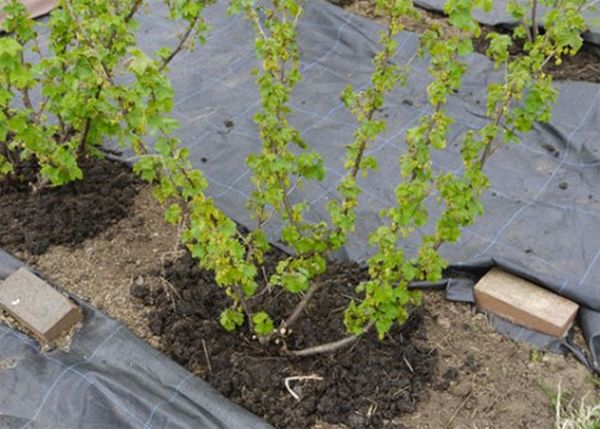
Before planting, it's important to prepare the soil. The soil should be slightly alkaline. Therefore, loamy soil is ideal for growing currants. It's best to plant in sunny or lightly shaded areas. If there's too much shade, the berries will lose some of their sweetness, and the yield will be significantly reduced.
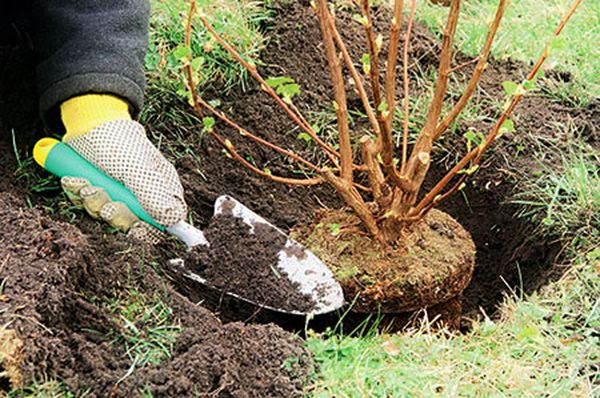
Once a planting site has been selected, the soil should be dug over and fertilized. When planting, maintain a distance of 1.5 meters between plants. Dig a hole 0.4 meters deep and 0.5 meters in diameter. Pour half a bucket of water into the hole, place the seedling, and then add another half bucket of water.
Next, sprinkle the soil, which is then covered with peat, manure, or humus. Currant roots are located close to the surface of the soil, so they are sensitive to the moisture level of the topsoil. The plant thrives on moisture, but despite this, stagnant water should not be allowed on the soil surface.
Trimming
Growing blackcurrants involves a series of prunings. After planting the currants in their permanent location, branches need to be regularly removed. Two to four developed buds should be left on the shoots. The pruning height is 0.1 to 0.15 meters. After a year, small shoots, weak and immature shoots, and other branches are completely removed. Only a few (no more than four) developed "zero" shoots should be left, which will form the "skeleton" of the bush.
In the third year of the plant's life, when the bush has formed a large number of primary branches, they should be pruned so that about five of the most powerful parts of the currant remain. By the fourth or fifth year, the bush should have up to 20 "skeletal" branches, which are pruned only to rejuvenate the plant and prevent disease.
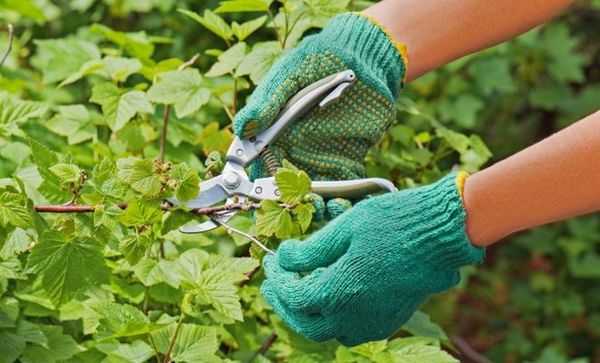
The pruning technique for currant bushes depends on the group to which the variety belongs. There are three groups:
- Each year, these plants produce a large number of shoots growing from the root. However, these organs branch poorly. Therefore, when pruning, the shoots are shortened as much as possible (leaving no more than a third of their original length), which encourages branching. The branches of these varieties age quickly.
- Varieties in the second group are characterized by poor growth of their novice shoots. However, these plants tend to have active branching of their skeletal organs. Because of this, the bush often consists of numerous shoots of varying ages. To correct this, no pruning of the novice shoots is practically necessary; however, pruning older branches and removing buds from them will help increase the number of shoots and stimulate their growth. Varieties in this group have long-term fertility, so branches are completely pruned at 5-6 years of age.
- The third group possesses characteristics of both the first and second. Representatives of this group's varieties produce an average number of sterile shoots. Their branching level is average. The shoots of these plants bear fruit for over five years. Pruning is carried out using the same technique as for plants in group 2, but the shoots are shortened further.
Top dressing
A description of Nara currant care would be incomplete without mentioning fertilization. At different stages of development, the plant requires organic and mineral nutrients.
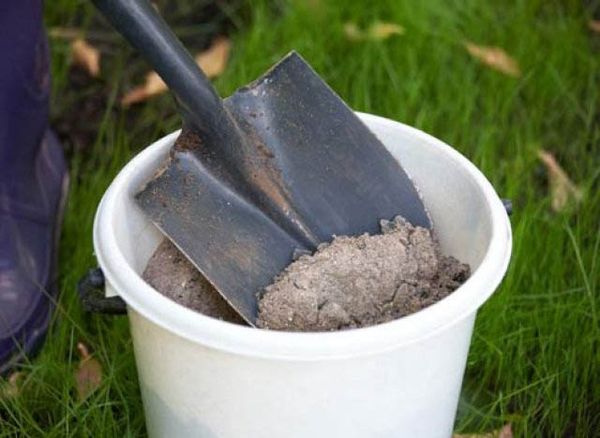
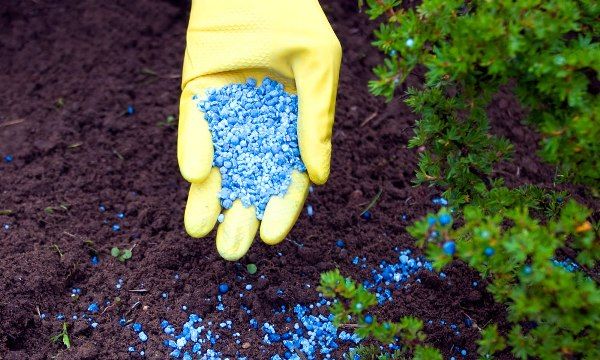
So, at the beginning of growing, nitrogen should be added to promote active green mass formation. It also regulates overall plant growth and fruiting. However, it's important to be very careful with this element and adhere to the correct dosage. Excessive nitrogen fertilization can cause nitrates, which are harmful to humans, to accumulate in the plant's fruits.
Potassium and fertilizers containing it are added to improve the plant's water balance. It also promotes root development.
Regarding phosphorus, it should be applied in very small doses, as currants absorb most of it from the soil. Phosphorus is a source of energy for plants and also has a positive effect on resistance to certain diseases.
Of the organic matter, rotted manure (never fresh) and a solution of mullein are usually used.
The main advantages of the variety
The main advantages of the variety are considered to be:
- high level of adaptability to environmental conditions;
- self-fertility;
- resistance to most diseases and attacks by pests such as kidney mites.
Thus, the Nara variety is resistant to a number of diseases and pest attacks. Growing the plant is quite simple, and the quantity and taste of the fruit fully justify all the effort expended on growing it.
Video "Smorodina Nara"
This video will tell you more about the Nara blackcurrant variety.