
Control measures for powdery mildew on currants
Content
What is this "disease"?
What is powdery mildew on currants? This disease is caused by a pathogenic spore-forming fungus that infects the bushes. This microorganism tolerates low temperatures well, allowing it to overwinter under a layer of fallen leaves. In the spring, the fungus begins to actively reproduce. Ideal conditions for the microorganism's growth are warmth and high humidity, as well as excessive amounts of nitrogen fertilizers in the soil.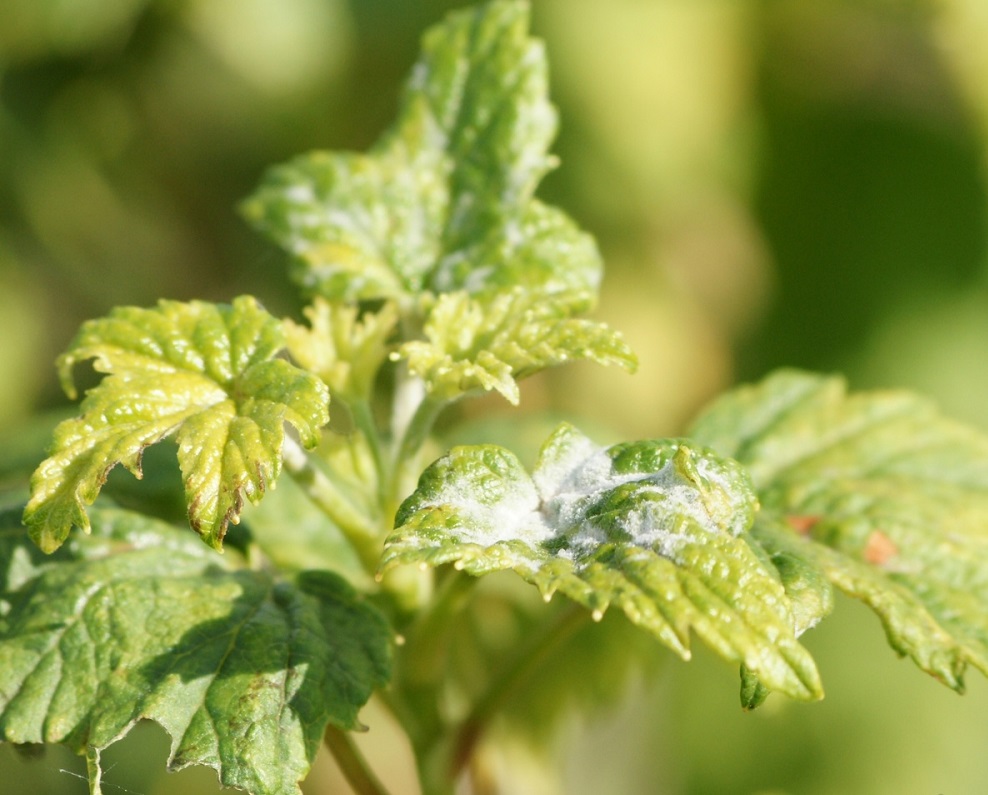
If no preventative measures are taken, by mid-summer almost all currant bushes will be affected by the disease.
Signs of currant damage are:
- A white coating appears on the currants, which over time turns brown.
- The disease affects the apical growth point of the stem, causing the bush to stop growing and form incorrectly.
- The leaves of the plant turn pale, become smaller, and also lose shape.
- If berries have formed on the plant, they become covered with a coating as a result of powdery mildew, and the rudiments of the fruit fall off completely.
- The plant stops growing, dries out, and loses its resistance to low temperatures. As a result, even if the plant demonstrates resistance to the disease, it will not survive the frost.
Video: "Characteristics of Currant Disease"
This video will tell you about the characteristics of powdery mildew on currants.
Methods of control
Powdery mildew on currants is characterized by its poor response to any treatment. Therefore, completely eliminating the disease is extremely difficult. As soon as the first symptoms appear, immediate action is necessary. Before treating the affected plant, remove all affected parts. Only then can the plant be sprayed with solutions of various substances. So, if your currant bush is attacked by powdery mildew, what should you do? 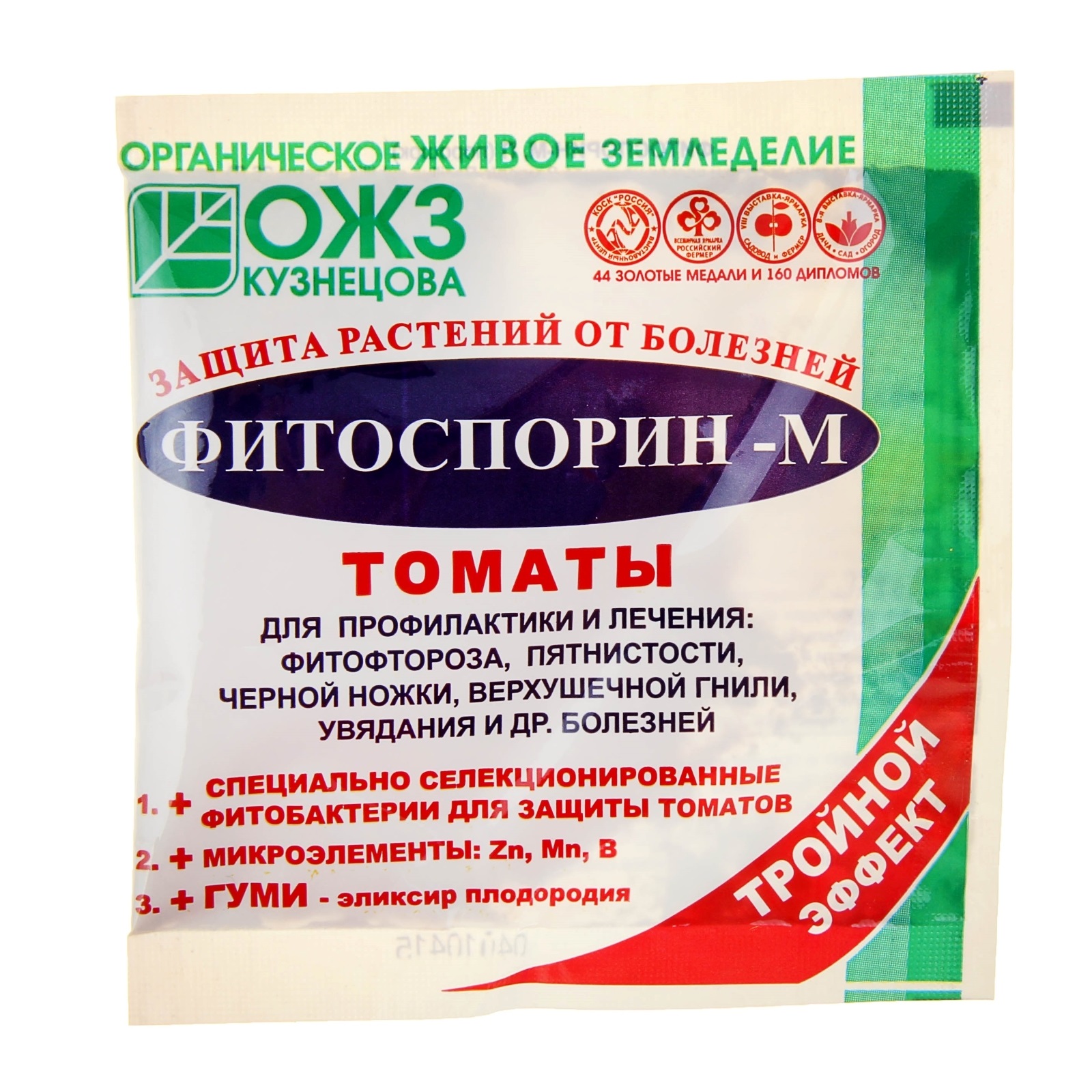 There are several options:
- Biofungicides are substances that work by modifying a specific bacterial microorganism. This bacterium is capable of effectively combating fungal pathogens. These products are safe for both humans and animals. Biofungicides also do not harm insects that pollinate berries. These products can be applied to the bush even during ripening. However, compared to chemical agents, these products are less effective. Their maximum duration of action is approximately three weeks. Furthermore, biological substances can easily be washed away by rain. Biofungicides also require special storage conditions. Due to the properties of these products, currants need to be treated several times: sensitive varieties should be treated weekly, while resistant varieties should be treated every two weeks. The most well-known products in this group include Fitosporin, Planriz, Baktofit, and others.
- Chemicals. Fungicides such as Topaz, Fundazol, Acrobat, and others can help remove plaque from currants.
These substances should only be used strictly according to the dosage and timing of application. Spray the prepared solutions on plants in calm, dry weather.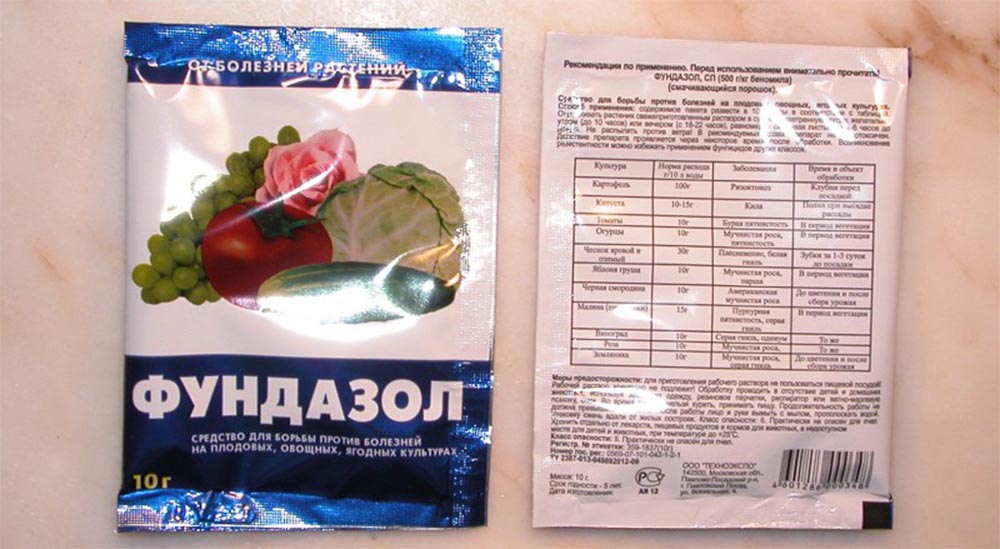
Of all the chemicals, the safest for treating fungal diseases for humans are dilute solutions of copper sulfate, colloidal sulfur, and a lime-sulfur decoction. Currant bushes should be treated twice: during bud formation and fruit set.
Folk methods
Chemicals aren't the only way to combat the disease. One answer to the question of how to effectively combat powdery mildew on currants is to treat the bushes with folk remedies. Gardeners, in particular, often use such remedies.
A solution of soap and baking soda. To do this, take 0.05 kilograms of baking soda and the same amount of laundry soap. Dissolve these substances in a bucket of hot water, let it cool, and then spray the currant bushes. Spray twice, one week apart.
Mullein infusion is also often used to combat the disease. A third of a bucket of the substance is added to water, and after a few days, it is further diluted to reduce the concentration.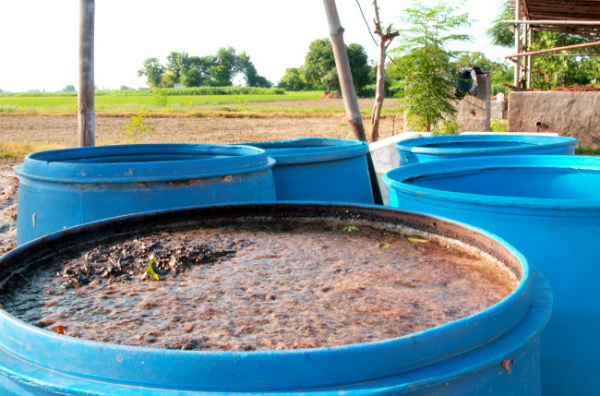
The plants are treated with a solution of soap and ash twice at weekly intervals.
Also, to overcome the disease, use a garlic infusion, let it stand, and then wet the leaves on both sides.
At the very onset of the disease, potassium permanganate is effective. Disinfection should be performed three times, at five-day intervals.
Currant plants are sometimes sprayed with a mustard solution. To prepare it, the dry powder is dissolved in a bucket of hot water. After it cools, the plants are sprayed with the liquid.
Prevention
When powdery mildew affects currants, control measures must be taken immediately. However, even in this case, completely eliminating the disease is difficult. However, it's best to prevent it from occurring.
Prevention of powdery mildew involves pruning bushes in the fall, removing excess leaves and other organs from the area, and then burning them.
In early spring, the bushes and soil should be treated with copper sulfate. You should also inspect the bushes periodically to detect any diseases early.
If weather conditions favor the development of fungal diseases, preference should be given to disease-resistant varieties, such as Golubka, Agate, Black Pearl, and others.
So, powdery mildew on currants can only be controlled with special efforts and a number of measures. It's much easier to prevent powdery mildew from appearing on berry bushes.
Video: "Fighting Powdery Mildew and Prevention Methods"
From the video you will learn how to combat this disease and how to properly carry out prevention.