
The best red currant varieties for growing in the Moscow region
Content
Early
It's worth noting that growing early currants in the Moscow region isn't easy. This is due to the region's climate, which is prone to spring frosts. These frosts typically occur during the flowering period of early varieties and, in most cases, lead to crop losses. However, if you have an irresistible desire to enjoy the berries at the end of June, and are able to provide shelter for the bushes during cooler temperatures, then the following varieties are worth considering.
Vetch
A domestic variety bred at the All-Russian Research Institute of Fruit Crop Selection and added to the State Register in 2001. While not known for its particularly large berries (0.5-0.8 g), it nevertheless boasts impressive yields thanks to the numerous, densely packed fruit clusters on each shoot. This currant variety is undemanding regarding soil composition, grows well and produces fruit in partial shade, and is resistant to severe frosts and fungal diseases (anthracnose and powdery mildew).
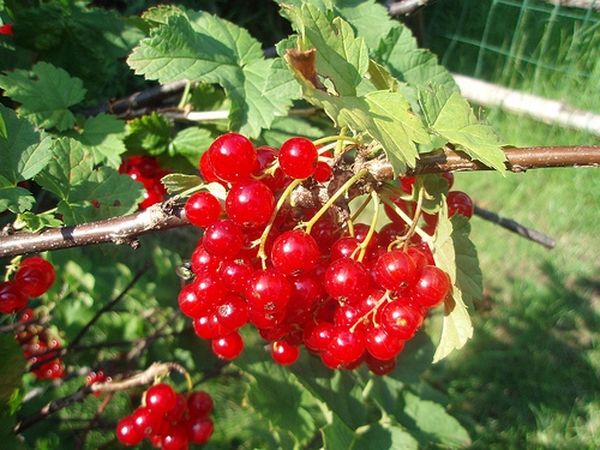
The bush is dense and medium-height. The shoots are straight, strong, brownish-red, and slightly pubescent. The berries are uniform, round, purple, and quite sweet (7.9% sugar content).
Firstborn
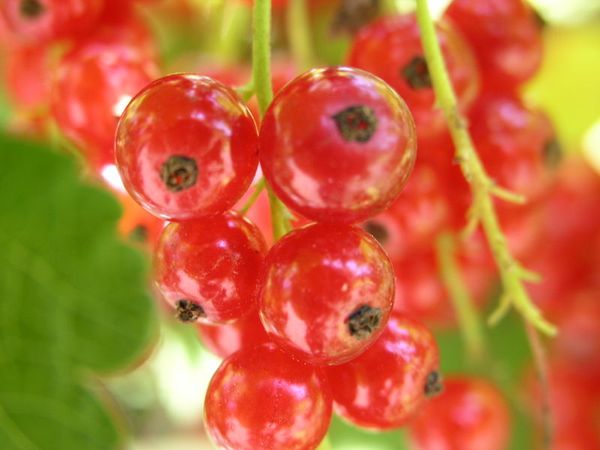
The original name of this variety is Erstling aus Vierlanden, indicating its Western European origins. In Russia, the name, derived from the first word, has become established: Pervenets (Firstborn). This variety combines all the most favorable qualities of currants: excellent yields (from 4 to 12 kg), the ability to self-pollinate, and high resistance to frost, pests (aphids, bud mites), and fungal diseases.
The bush is large and tall (up to 1.5 m). The berries are medium-sized (0.5-0.7 g), bright scarlet in color, and have a fresh, sweet-tart flavor. They ripen simultaneously and do not fall off, allowing for a single harvest. The berries are equally delicious fresh or processed.
Early sweet
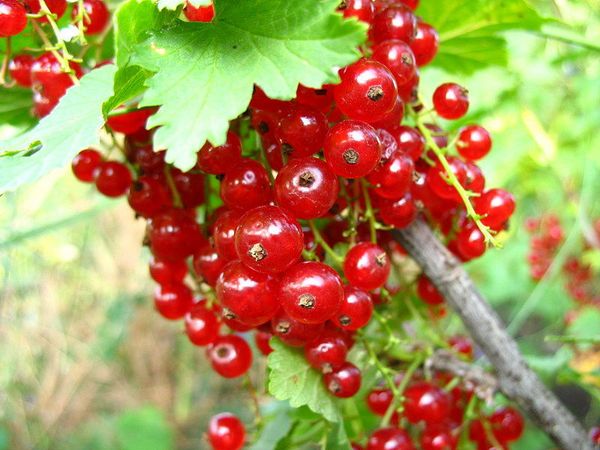
The variety's name fully reflects its characteristics: the currants ripen early and have a sweet flavor. This highly regarded variety, developed by VSTISP, produces fairly large (0.7-0.9 g) dark-red berries with a pleasant, moderately tart flavor. The bush is neat, medium-sized, and not very dense, with gray-brown shoots. The clusters are long (8-10 cm), densely packed, and contain up to 15 berries each.
The advantages of the variety include good resistance to diseases, temperature fluctuations, severe frosts and abnormal heat, as well as self-fertility. Average yield is 3.5 kg/bush.
Serpentine
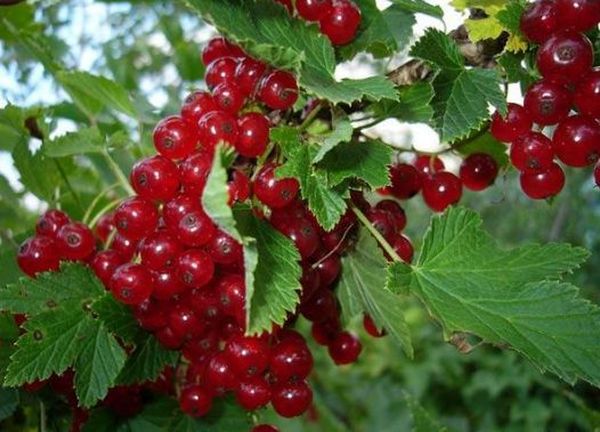
This variety is considered large-fruited, with berries weighing up to 1.1 g, an excellent figure for a red currant. Gardeners value it for its high winter hardiness and ability to grow it in regions with unstable climates.
The bushes are vigorous but compact (not spreading), with dense foliage. The dark red berries, borne on long clusters of 15-20, have a pleasant tart flavor and a wonderful currant aroma, and are easy to pick. The variety is self-fertile and high-yielding (up to 6.5 kg per bush). In particularly fruitful years, the branches require support.
Mid-early
Mid-season red currants begin to ripen in July, and by mid- to late-season, the harvest is ready. Unlike early berries, they are sweeter and larger, making them highly sought after by gardeners and consumers. By choosing the best mid-season red currant varieties for the Moscow region, you can not only enjoy a healthy selection of currants but also make flavorful jams, preserves, and other sweets.
Versailles White
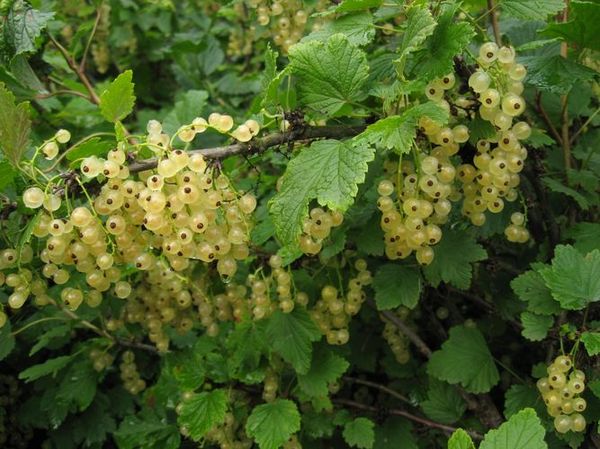
An ancient variety, bred in France at the end of the 19th century. It only became established in our country in the mid-20th century, and was added to the State Register in 1959. Varietal characteristics: excellent winter hardiness, low resistance to pests (bud mites), and diseases, particularly anthracnose, and moderate resistance to powdery mildew. In winter and during spring frosts, shoots are often subject to freezing, and during periods of drought, they are severely affected by anthracnose. Yield is approximately 4 kg per plant.
But currants also have an undeniable advantage: large (1 cm in diameter), yellowish berries with delicate, transparent flesh and a pleasant sour taste (sugar 7.5%), which are ideal as a dessert, both fresh and for preserves.
Jonker van Tets
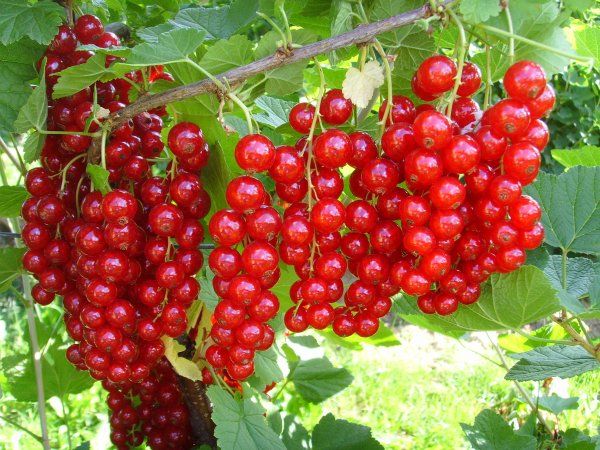
One of the oldest and best Dutch-bred varieties, developed back in 1941. Despite the emergence of new hybrids, it is currently the best mid-season red currant for the Moscow region. High winter hardiness, self-fertility, and excellent resistance to pests and fungi are the main qualities that allow this variety to easily adapt to conditions not only in the central region but throughout the country.
The bushes are tall, heavily foliated, with numerous strong shoots and fruit clusters. The berries are large (average weight 0.7 g), bright scarlet, with firm skin and sweet, dessert-like flesh. Currant yields are excellent – a single bush can yield up to two buckets of berries (12-15 kg).
Red Andreychenko
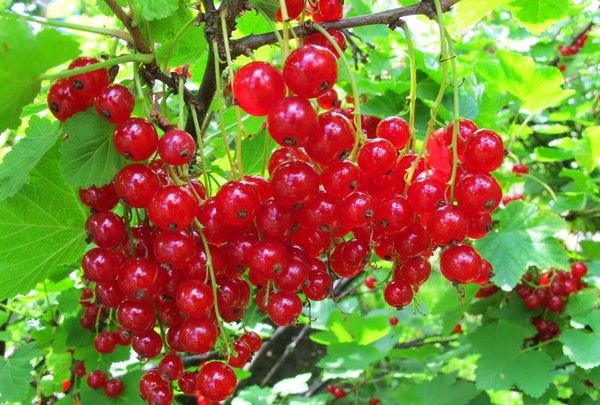
This high-yielding variety adapts well to even the harshest conditions, as it was developed at the Michurin Novosibirsk Fruit and Berry Station and is zoned for the Urals, Siberia, and the Middle Volga region. The bushes are tall (up to 1.5 m), slightly spreading, and tolerate any frosts well, but are often susceptible to anthracnose. The fruit clusters are slightly curved, containing 12-13 berries, ripening in mid-July.
A good yield (5-6 kg/plant) is achieved thanks to the plants' high self-pollination ability. The berries are small (0.7 g on average), deep red, juicy, and quite sweet. They are suitable for processing—they make delicious clear jams and jellies, and are also great as dessert.
Natalie
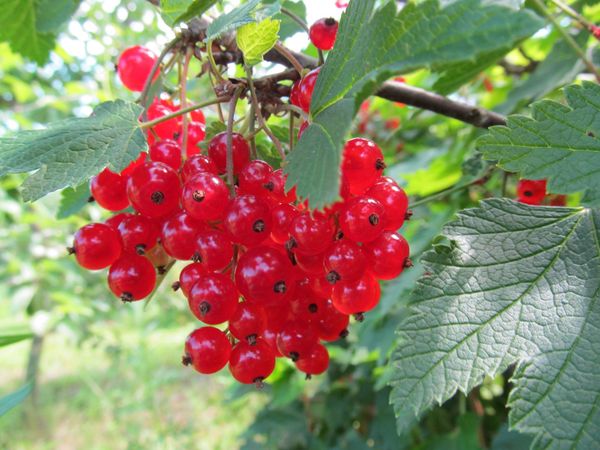
A very popular domestic variety developed by VSTISP boasts numerous positive varietal qualities: high winter hardiness, self-fertility, phenomenal yields (10-12 kg/plant), and good resistance to pests and fungal diseases. It is zoned for cultivation in almost all regions of the country, but performs best in the central and southern regions.
Natalie currant bushes are low, compact, but dense. The berries are very bright, deep red, aromatic, and quite large (averaging 1 g). They have a pleasantly tart flavor and are suitable for all-purpose use. The only drawback is that they require regular watering—the bush responds to drought in the spring by dropping its berries.
Niva
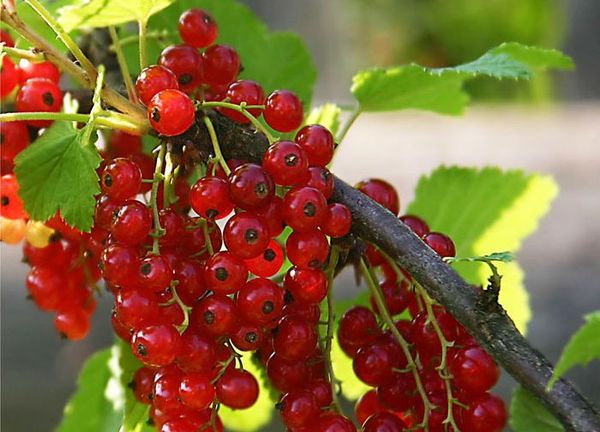
A relatively new (2009) domestic variety bred at the All-Russian Research Institute of Fruit Crop Selection. It is intended for cultivation in the Central Black Earth Region, but it performs well in any region. The bushes are sparse and compact. The berries are medium-sized (0.7 g), flat-round, a rich dark red color, slightly tart, with a pleasant sweet aftertaste. They are ideal for making jams and jellies.
Among the advantages of currants are their high resistance to diseases, including fungal ones, the ability to self-pollinate, and good winter hardiness. The only drawback is frequent damage and flower shedding due to spring frosts.
Late
In early August, late-ripening currant varieties delight with the last currant harvest of the season. Late-ripening currants are not particularly large, but they are quite sweet and have the highest gelling properties.
Bayana
Another development of the All-Russian Research Institute of Fruit Crop Selection, intended for cultivation in central Russia. The variety was bred and entered into the State Register in 2007. The bushes are vigorous and densely foliated, not spreading, with straight, strong shoots and numerous long (12-15 cm), beautifully hanging berry clusters.
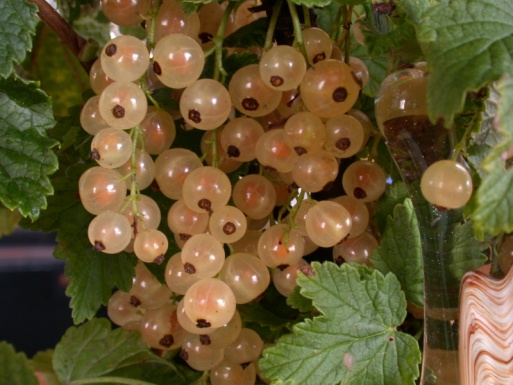
The berries are slightly flat, uniform in size, weighing an average of 0.7 g. They are white and translucent, and when fully ripe, they have a yellowish hue. They have a pleasant dessert flavor and strong gelling properties, making them ideal for preserves. The variety has excellent winter hardiness, but yields are average—up to 2.5 kg per bush.
Valentinovka
This late-ripening domestic variety thrives in the climate of the Central and Central Black Earth regions. Self-pollinating, it is resistant to severe frosts, and is extremely rarely affected by anthracnose and powdery mildew. The Valentinovka bush is vigorous and tall, with upright shoots, dense foliage, and beautiful long (over 10 cm) berry clusters during the fruiting season.
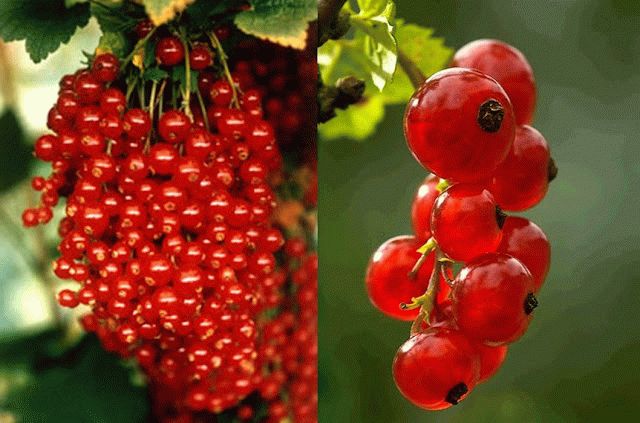
The variety's berries are particularly valuable; although small (averaging 0.5 g), they are very rich in nutrients: vitamins, acids, and pectin. The flavor is predominantly tart (sugar content 6.5%), and the skin is firm and peels off easily, making the berries easy to transport.
Marmalade maker
A versatile variety, particularly popular with domestic gardeners and homesteaders. The bushes are compact and sparse, taking up little space in the garden. Among its advantages, it boasts resistance to many fungal diseases and bud mites.
During the fruiting season, Mermeladnitsa can be recognized among other bushes by the numerous clusters of bright scarlet berries hanging from the shoots. The berries are large and slightly tart, which limits their consumption in their natural state, but it is an excellent variety for preserves. Productivity is low—up to 2 kg per bush.
Dutch Red
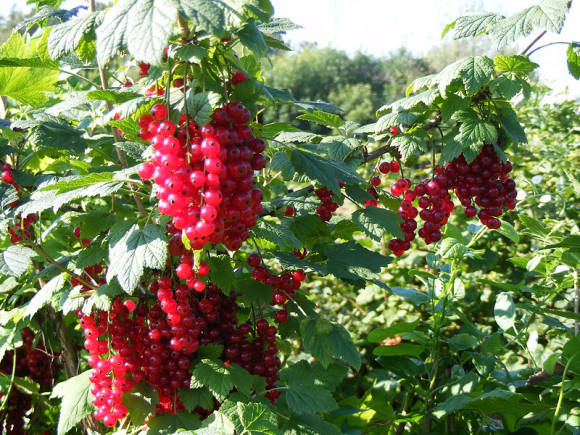
A distinctive feature of this variety is its beautiful, rounded berry clusters with numerous uniform berries. "Dutch Red" has Western European roots and is a very old variety. It is characterized by good disease and drought resistance, winter hardiness, and longevity (long lifespan and fruiting period), but lacks resistance to bud mite damage and requires frequent watering.
The bushes are vigorous, with abundant foliage. The berries are not very large (up to 0.9 g), with a small number of hard seeds. They are bright red, translucent, and have a slightly tart taste, making them most often used for processing. Among the advantages of this variety is its excellent yield – from 6 to 12 kg per bush.
Video: Planting Red Currants
This video will teach you about the specifics of planting red currants.