
Description and characteristics of the best red currant varieties
Content
The best productive varieties
Red currants are highly prized by gardeners and vegetable growers for their excellent flavor and numerous beneficial properties, thanks to their high vitamin content. Therefore, the berries are often used in traditional medicines that help treat a wide variety of ailments. Furthermore, the sweet fruits are used in compotes and other preserves.
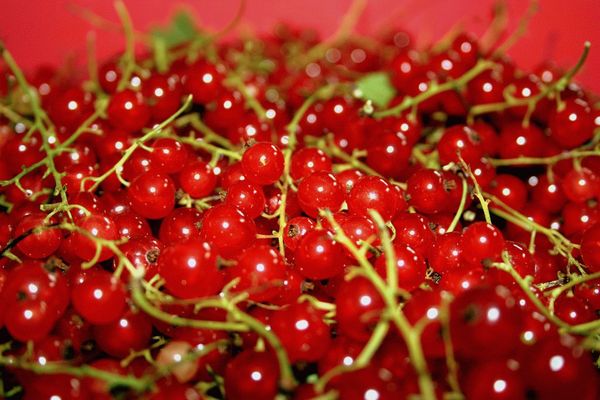
This crop is characterized by a stable yield that continues year after year. Moreover, currant bushes are easy to care for, allowing for a bountiful harvest with minimal effort and even in less-than-optimal growing conditions.
Today, red currants have different varieties, the best of which will be discussed below.
Alpha
This variety has appeared on the garden market relatively recently. However, despite this, it has already become extremely popular among gardeners. Alpha produces medium-sized bushes. Their yield is stable and high every year. The branches bear light-red fruits. Their flesh is quite sweet. Each berry weighs approximately 1.5 grams.
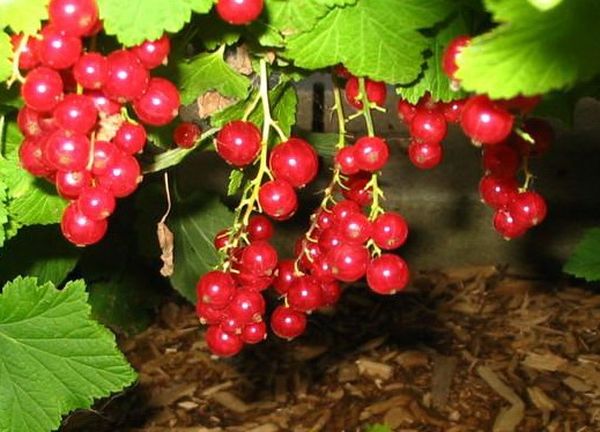
Alpha's distinctive features include its self-fertility and resistance to subzero temperatures. The plant also has good immunity to powdery mildew.
Dutch Red
This variety is considered one of the oldest red currant cultivars. It is widely cultivated in Europe. The plant is a fairly tall shrub with a rectangular crown. The fruits ripen in early August. The berries are medium-sized and have a pleasantly tart flavor. Therefore, the fruits of this variety are often used for processing.
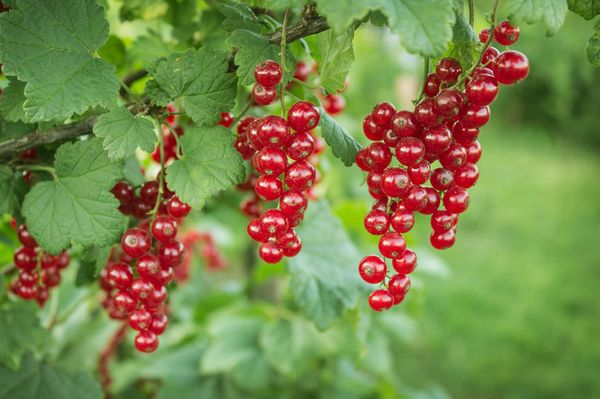
The advantages of this variety include:
- the plant tolerates drought well;
- the presence of high resistance to various diseases;
- easy care.
But the bushes produce a high yield only with abundant watering.
Red Cross
Red Cross was bred in the United States. It grows as a medium-sized bush with a spreading, broad crown. The branches produce relatively small fruits, averaging about 0.5 grams. Their skin is translucent, and the flesh is red.
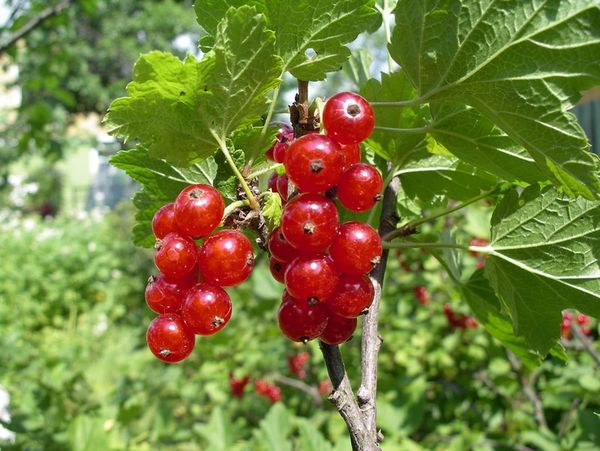
The advantages of this variety include:
- good winter hardiness;
- self-fertility;
- good immunity to various diseases.
Red cross is used fresh or processed.
Marmalade maker
This is a late-ripening variety. It's considered a large cultivar. The bushes grow to a considerable height. They are characterized by sparse foliage and a spreading crown.
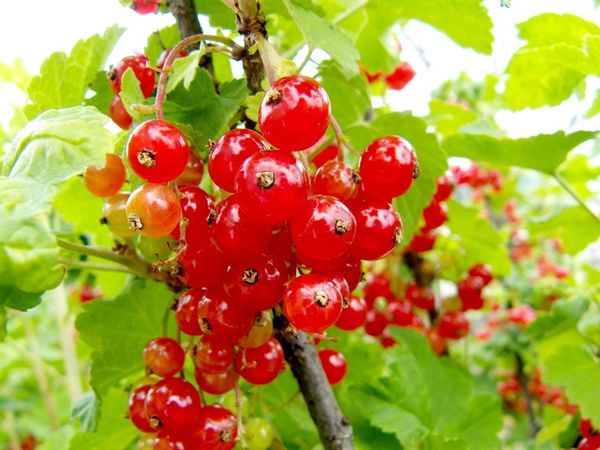
In this case, red currant has the following description:
- on average, fruit clusters are about 9-11 cm in size;
- one fruit cluster produces about 11 berries;
- the fruits weigh about 0.6-0.9 grams;
- their shape is oval-round;
- The skin is orange-red in color. The skin itself is quite dense, allowing the berries to remain on the bush for long periods of time without losing their flavor.
- good taste.
Marmeladnitsa has excellent winter hardiness and is resistant to pathogenic microflora. The yield per bush is approximately 6-8 kg.
Natalie
This variety is primarily grown in the central and southern regions of Russia. Natalie is a low-growing shrub with a neat and tidy appearance. The branches produce berries weighing about a gram, but sometimes larger. The skin of the fruit is burgundy. The flavor is sweet and sour.
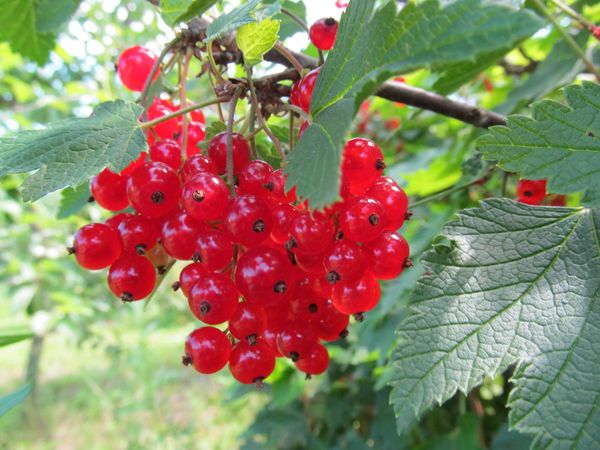
Natalie is a mid-season variety with a ripening time. It is characterized by high winter hardiness and excellent resistance to pests and diseases.
Roland
Roland was developed in Holland. It resembles a medium-sized redcurrant bush. The bush consists of thick shoots. Large berries, weighing 0.7-1.5 grams, form on the branches. Their skin is scarlet. Because the berries have a slightly tart taste, they are often processed. When overripe, they are eaten fresh.
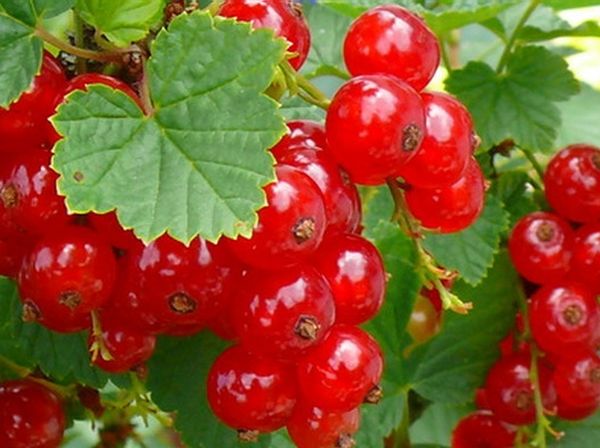
The yield per bush is approximately 6-7 kg. The plant tolerates subzero temperatures well and is not susceptible to various fungal pathogens. However, it can be susceptible to currant bud mite.
Sarah
Another mid-season red currant variety is Sarah. This variety was bred for Siberia. The plant is gently spreading and tall. Fruit clusters form on the branches, reaching 10-12 cm in length. The fruits are red and weigh between 0.9-1.8 grams. It is considered the largest-fruited variety.
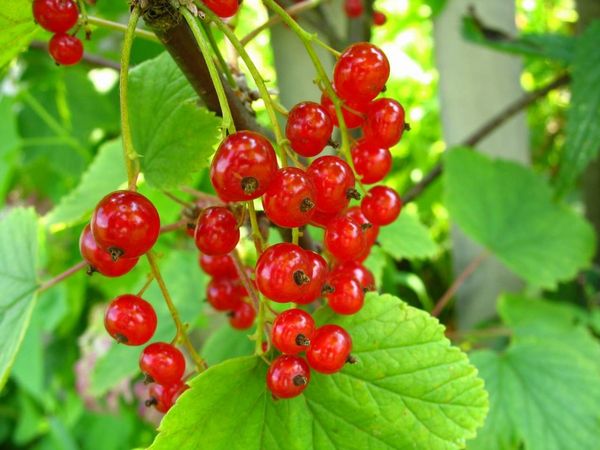
The berries have a sweet and sour taste and a pleasant aroma. With proper care, a single bush can yield approximately 3-4 kg of fruit.
Sarah has good immunity and is resistant to septoria and anthracnose. The plant also tolerates heat and drought almost without problems.
Ural beauty
The Ural Beauty is considered the most frost-hardy red currant variety. It's a low-growing shrub with a robust and well-branched crown. It produces a bountiful and delicious harvest of large berries each year, averaging around 1.7 grams.
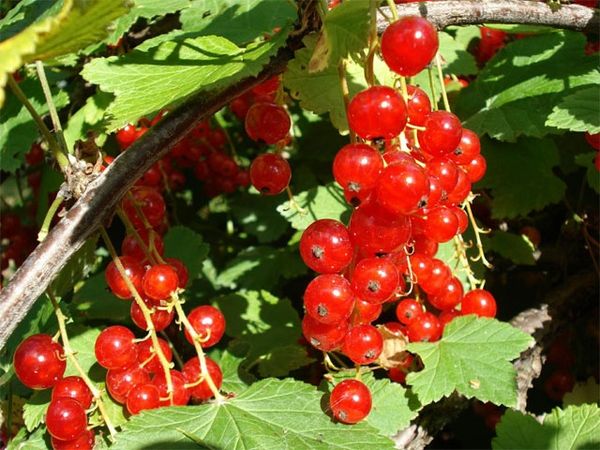
The variety has good resistance to pests and pathogens. Furthermore, Ural Beauty does not require additional pollination.
Quick Care Guide
Any garden crop requires proper care to ensure vigorous fruiting throughout the season. This applies to black and red currants. Caring for these species, as well as their varieties, is largely similar. However, nuances arise when growing a specific variety (for example, early red or sweet currants). In this case, the gardener must understand the growing specifics of each variety. However, with a basic understanding of cultivation and care, even a novice gardener can ensure fruiting of any currant variety.
It is known that currants produce a harvest only in the second year after planting seedlings in a permanent growing location.
To minimize maintenance and maximize yield, select a site for planting that meets specific requirements. Ideally, this should be a small clearing that receives good daylight.
It is important to remember that young bushes need shading, as they are not yet able to tolerate extreme heat.
When planting, be sure to maintain proper spacing between plants. If planted too close together, the bushes will shade each other, resulting in a reduced quality and quantity of the harvest.
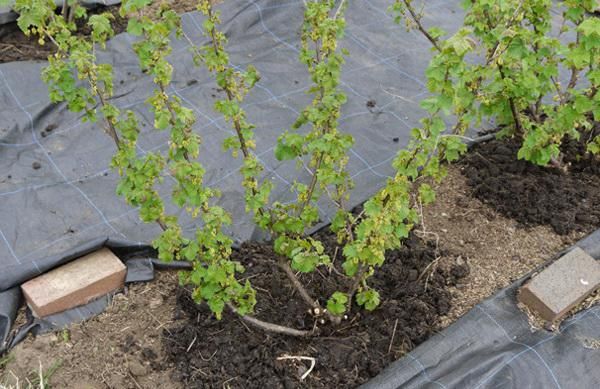
During the first three years of fruiting, bushes typically produce a fairly decent harvest. After this point, yield may gradually decline. To increase yield, bushes should be periodically renewed through rejuvenating pruning.
The basic care rules required for black and red currant varieties include:
- periodic watering;
- regular loosening;
- Weed control. This procedure is carried out as needed;
- periodic application of fertilizers;
- pruning to remove dried and damaged branches, as well as to rejuvenate the bush;
- Preventative spraying of bushes to prevent the development of pathogenic microflora is necessary even if the variety being grown is highly disease-resistant.
Loosening the soil around the bushes is carried out throughout the summer. Care must be taken to avoid damaging the root system, as the roots are often close to the surface. After loosening the soil, spread a layer of organic mulch approximately 5 cm thick under the bushes. Mulch with peat, compost, or well-rotted manure. You can also spread cover material under the bushes. However, it must be well-drained and allow for good air and moisture permeability.
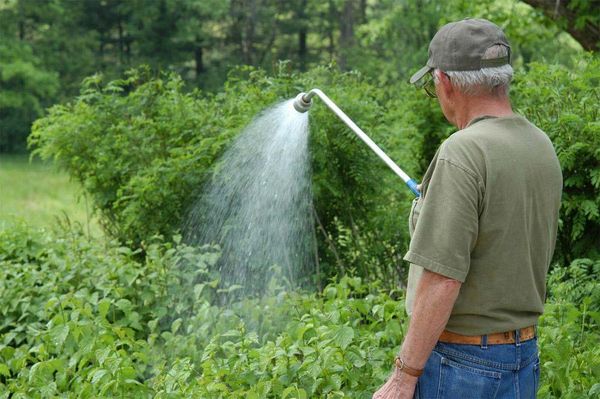
Water as needed. However, in hot and dry weather, plants should be watered once every 5 days. Use only warm water. When watering, be careful not to let water splash on the leaves. Otherwise, powdery mildew may develop. This is especially true if you're growing blackcurrants, which are more susceptible to glassworms and powdery mildew.
Weeds should be removed from the beds periodically. They rob currant bushes of nutrients. As a result, the fruits are small and tasteless.
When growing currants, fertilizing is crucial. Fertilizers are applied before planting the seedlings in their permanent location, during flowering, and during fruit formation. Each variety has its own specific fertilizing guidelines. However, regardless of the variety, gardeners supplement currants with nitrogen in the spring. The approximate application rate per bush is 50-60 grams of ammonium nitrate. However, the exact concentration should be determined for each variety. It's worth noting that nitrogen fertilizers for this crop are only permitted in early spring!
After winter, currant bushes need to be examined in detail for the following:
- damage to branches by pests;
- deformation of shoots;
- swollen buds. They may contain kidney mites;
- frozen stems;
- broken and dry branches.
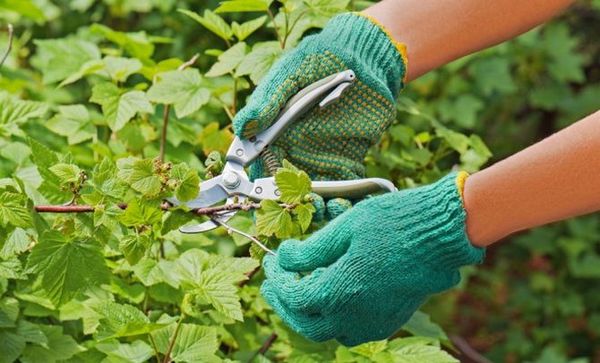
Black holes left by pests can often be found on branches after winter. All damaged, deformed, and infected branches should be cut back to a healthy section of the shoot. This sanitary pruning should be done in early spring, before the plant begins to bud.
All plant material must be burned after pruning to prevent the spread of infection or pests throughout the garden. Along with the pruned branches, all fallen leaves from the previous fall must be raked up and burned. These leaves can also harbor pests and pathogens.
After this, the beds are usually dug over. This procedure allows moisture to remain in the soil for a longer period of time.
For particularly spreading varieties, supports should be provided to avoid a situation where branches and fruits lie on the ground. This increases the risk of plant infection with pathogenic microflora. Instead of staking, you can simply trim excessively creeping branches with pruning shears. To do this, cut off the upward-facing lateral branches.
Throughout the season, currant bushes should be sprayed with Bordeaux mixture or other fungicides. This is done to control insect pests, as well as pathogens that cause viral and fungal diseases. Both the plants and the soil should be sprayed.
Remember that with proper care, any currant variety will bear fruit well.
Video: Growing, Harvesting, and Storing Red Currants
In this video, a specialist will share his knowledge on how to properly grow, harvest, and store red currants.