
A review of the best blackcurrant varieties for the Moscow region
Content
Early varieties
The Moscow region boasts a diverse soil composition, ranging from fertile sod soil to nearly infertile peat soil. Therefore, selecting the best currant variety for a given region should be based on the specific agronomic requirements of the variety.
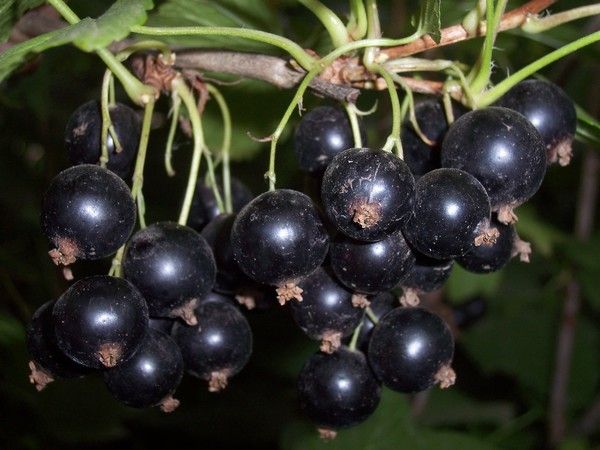
All varieties of black currant are classified not only by their vegetative properties, but also by their ripening time, which directly depends on the temperatures in the region where the bush is grown:
- early species ripen by the end of June;
- in mid-season varieties, the fruits are finally formed by the second half of July;
- Late-ripening varieties begin to bear fruit in the second half of July and continue to produce berries until the end of August.
The Moscow region's climate doesn't boast long, consistently hot summers, so the best varieties for the Moscow region are those that ripen quickly, specifically early-ripening varieties. There's a wide range of early blackcurrant varieties.We will give a more detailed description of some of the species.
Epic (Loyalty)
The large-fruited Vernost variety has gained popularity due to its winter hardiness and immunity to mites. Furthermore, bred for the Siberian cold in central Russia, this variety produces large, sweet berries that ripen faster.
A curiosity
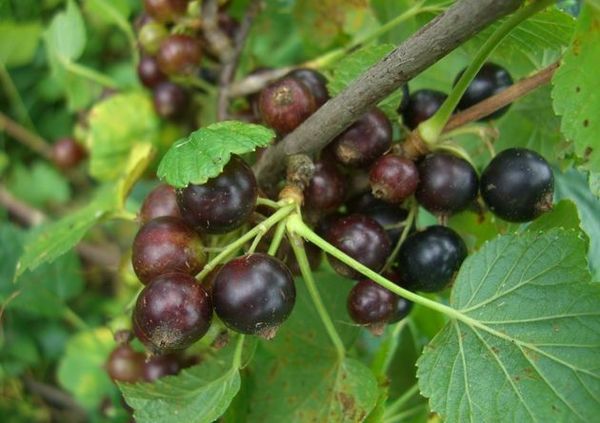
The best blackcurrant varieties for the Moscow region were expanded in the 20th century to include the Dikovinka variety. Its fruits are medium-sized, black, and have an excellent flavor. Dikovinka is consumed both raw and processed.
Nika
Niki currant bushes produce very large black berries weighing up to 4.5 g. Niki bushes are medium-height and not very spreading, but they tolerate drought and low temperatures well and are not affected by powdery mildew.
A Gift from the Arctic
The relatively new Podarok Zapolyarya variety was bred in 1992. Since then, it has become popular for its high yield, winter hardiness, and ability to self-pollinate. Podarok Zapolyarya's berries are small, slightly tart, and very aromatic.
Heiress
When choosing between early-ripening currant varieties, it's worth considering Naslednitsa. These medium-spreading bushes don't require pollinators, are resistant to pests, and produce yields of over 2 kg.
Large-fruited
In addition to ripening time, varieties also differ in fruit size: small-fruited, medium-fruited, and large-fruited. Blackcurrants are considered large-fruited if their berries weigh more than 2 grams, while red and white currants are considered large-fruited if their berries weigh more than half a gram.
Arcadia
In 2007, the Arcadia variety was added to the crop's high-yielding varieties. Arcadia berries are very large (up to 5 g), have a pleasant aroma and a sweet-and-sour taste, and the bushes are immune to most fungal diseases.
Summer resident
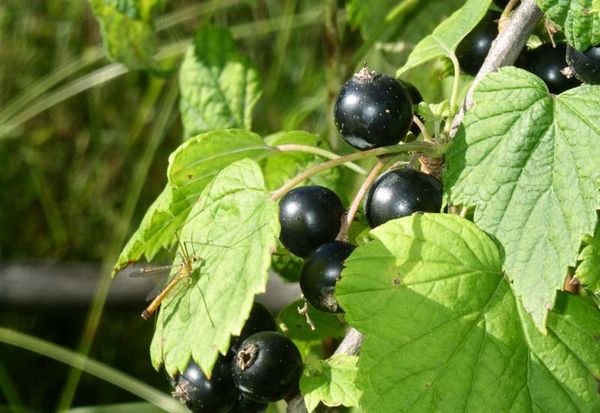
The large berries of the Dachnitsa ripen by mid-July. Dachnitsa is not the most productive variety, as peak fruiting occurs only in the ninth year after planting and yields just over one and a half kilograms.
Lazy person
The late-ripening Lentyai variety, despite its slow ripening, is beloved by gardeners for its large fruit (approximately 3 g) and its sweet, aromatic, and very juicy flesh. Furthermore, Lentyai tolerates temperatures down to -30°C.
Pygmy
The list of varieties selected for the Moscow region would be incomplete without the Pigmey variety. Pigmey produces very large fruits that ripen by the second half of July. Pigmey is self-fertile, frost-resistant, and productive.
Self-fertile
A major advantage for gardeners is purchasing a self-fertile blackcurrant variety. This property stems from the bush's ability to self-pollinate, eliminating the need to plant other bush varieties in the garden.
Openwork
Azhurnaya is a self-fertile variety that is resistant to frost, fungi, and pests. Azhurnaya's fruits are medium-sized, but have a pleasant flavor and are easy to transport.
Grace
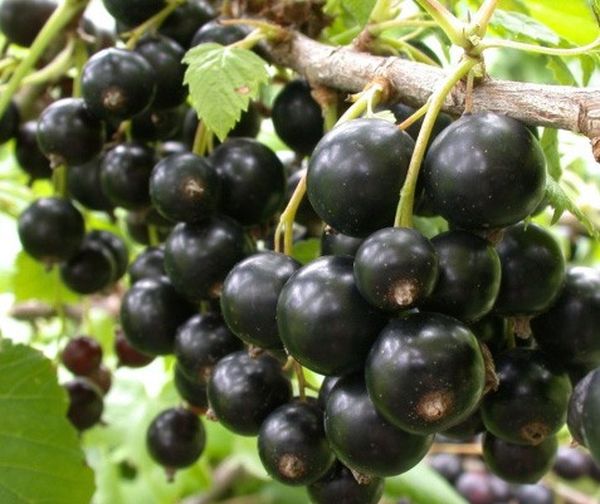
The blackcurrant variety Gracia has a long list of advantages: frost resistance, large fruits, consistently high yields, sweet-tasting berries, and immunity to powdery mildew.
Litvinovskaya
A new variety, the Litvinovskaya cultivar, was developed in 2008. Breeders have given us a variety with berries that are both delicious and attractive: round, medium-sized, black fruits with a mild, sweet flavor.
Litvinovskaya can withstand temperatures down to -35°C, is immune to fungal diseases and is rarely affected by parasites.
Mriya
Mriya's extremely large berries (up to 5 g) have a matte black skin and a sweet and sour flavor. Mriya bushes are not only self-pollinating but also produce consistently high yields and tolerate low temperatures, fungal diseases, and pest infestations well.
Rita
Rita's easy-to-grow bushes produce large, black fruits that ripen by the second half of July. Rita is resistant to many diseases, as well as winter hardiness and high yields. Rita's fruits are eaten fresh, as well as used in jams, preserves, and juices.
Colored and red varieties
Currants are distinguished not only by the diversity of their vegetative characteristics but also by a wide range of colors. Besides blackcurrants, there are golden, red, and white currants.
In the Moscow region, white currant varieties are as popular with gardeners as blackcurrants. The best white currant varieties for the Moscow region include Smolyaninovskaya, Roza Chair, Bayana, Umka, and Snezhana.
Video: "Beneficial Properties of Black Currants"
This video will tell you about the beneficial properties of black currant.