
The healthy red currant variety Jonker Van Tets
Content
Characteristic
This mid-early red currant variety was developed by Dutch breeders back in 1941. Over time, this berry variety spread to other Western European countries and eventually reached our country. It is now widely grown by gardeners in temperate climates.
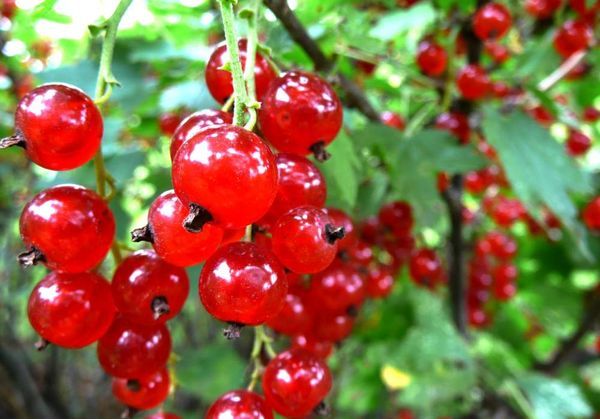
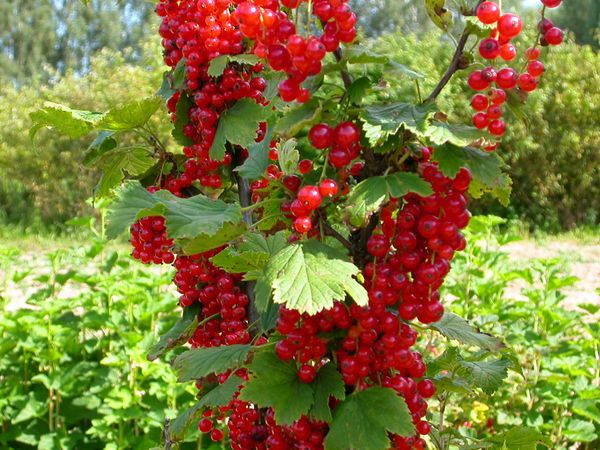
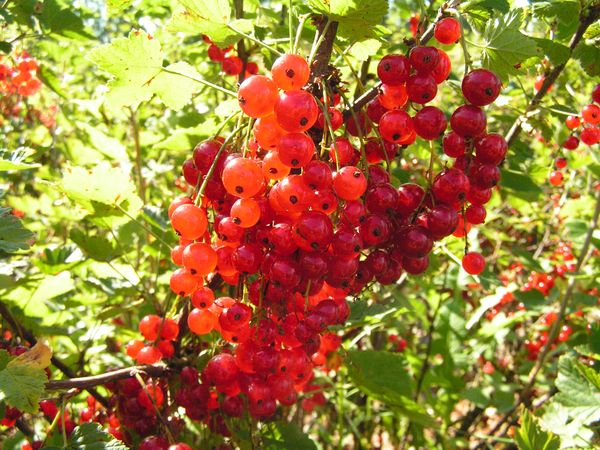
This domestic currant bush grows quite vigorously. During active development, it becomes dense and upright. The shoots are glabrous and have a slightly pinkish tint. The leaf blades are five-lobed. The leaves, like the flowers, are quite large. What's so special about red currant berries? They have a pleasant taste and aroma; they are eaten fresh and are also widely used for winter preserves. Jams, compotes, jellies, liqueurs, wines, confectionery fillings, and more—all can be made with red currant berries.
Blackcurrants are considered to be slightly higher in vitamin C than redcurrants. However, compared to other berries (strawberries or raspberries), redcurrants have significantly higher levels of this nutrient. Interestingly, the berries also contain iron, which is essential for proper vascular function, as well as potassium, which has a beneficial effect on cardiac function and helps remove excess fluid from the body. Therefore, regularly consuming blackcurrants will help reduce puffiness and bags under the eyes.
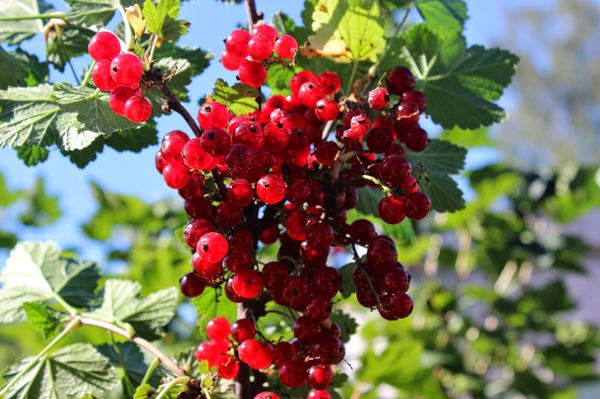
Scientists believe that red currants also contain large amounts of coumarins and furocoumarins. These substances have anti-inflammatory properties and, importantly, significantly reduce the risk of tumors. Additionally, coumarin also improves blood clotting.
Planting and care
When planting seedlings in the ground, certain guidelines must be followed. For example, the root system of the bushes should be located 5-10 cm from the soil surface. This variety generally does not require pollination. However, if several red currant varieties are planted in the same area, the Jonker Van Tets berries will grow much larger. Remember to maintain a distance of 1-1.5 m between bushes: enough space is needed for the bush to grow spreading and bushy.
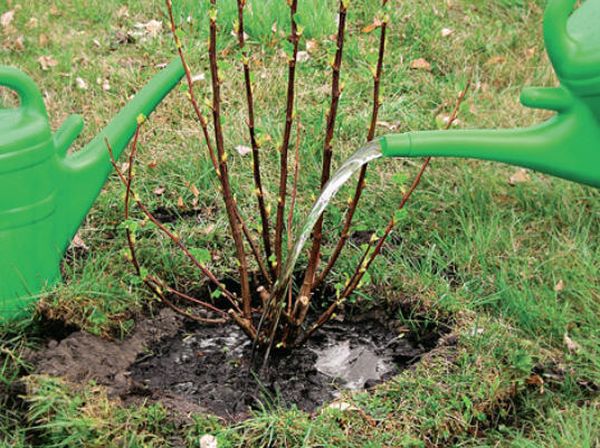
Pay special attention to plant nutrition. The first application of fertilizer is required as early as the currant planting stage. It is recommended to add organic matter (horse manure or humus) to the soil. Red currants should be watered regularly, approximately 2-3 times a day. Watering should be done twice a day (morning and evening). The recommended amount for this variety is a bucket of water per bush. While this may not be necessary in the spring and in such large quantities, regular watering is essential in July and August (the period of active fruit ripening).
Jonker currants are considered frost-hardy. However, it's best to take additional measures to protect the bush from sudden temperature fluctuations. The soil should be thoroughly mulched and supplemented with horse manure. By following the most important care recommendations, you'll achieve optimal results.
Choosing a location
Red currants, also known as Jonker van Tets, require little care, but some guidelines are still recommended. First, choose the optimal location for planting the seedlings. Currants don't tolerate shade, so it's best to plant them in a well-lit area. If they don't receive enough sunlight during the formation and ripening process, their flavor won't be as rich as you'd like.
As for soil, the shrub thrives in light loamy and sandy loam soils. However, remember to loosen the soil in the spring and after the berry season. Well-aerated soil will provide greater protection from pests and allow for much more vigorous growth.
Although red currants thrive on moisture, avoid planting seedlings deep in the ground if you expect their roots to come into contact with groundwater. Constant dampness will have the opposite effect on the bushes, even though they are considered moisture-loving. Another important point: red currants are generally recommended to be planted near fences or other hedges. This will protect the bushes from strong winds.
Transfer time
To propagate and plant red currant bushes correctly, you should first decide on the most suitable method for you:
- Green cuttings. This is usually done in early summer. The cuttings are taken in the morning and placed in water, after making cuts in the bark at two internodes. The next step is planting the cuttings in the soil. It is recommended to cover them with a jar or plastic film. The main thing is to provide adequate care for the cuttings. They need to be watered regularly, and the jar should be removed periodically to allow air to flow. When the first leaves appear, the covering can be removed. If by the end of summer you can confidently say that the cuttings have strengthened and are ready for planting in the ground, you can do so this fall. Otherwise, leave the cuttings in the soil until spring.
- Hardwood cuttings. This procedure is carried out in early to mid-August. The cuttings should be immediately planted in their permanent location. Regular watering and hilling are recommended until the following spring. If you do everything correctly and the cuttings have time to root, they will be able to survive the winter cold without any problems.
- Combined cuttings. The seedlings are harvested in late May or early June. After you plant them in the soil, they will root within two weeks. Before that, you prepare them directly on the bush.
Which method and time for replanting a plant is most optimal for you depends on how familiar you are with each method.
Trimming
The Jonker red currant variety is an easy-to-grow plant. However, careful pruning of the bushes is essential. Immediately after planting, the first pruning of the shoots should be performed, removing approximately half the length. Subsequently, this procedure should be repeated at least once a year, in the spring. Only young shoots are left on the bushes.
Advantages and disadvantages
What is important is that the fruits of this plant are valued by gardeners not only for their gastronomic qualities, but also for the variety of useful components they contain. Currant berries contain huge quantities of minerals and vitamins (A, C and P), as well as tannins and pectin substances. This variety is easy to care for and has a high yield.
Video: "Characteristics of the Jonker Van Tets currant variety"
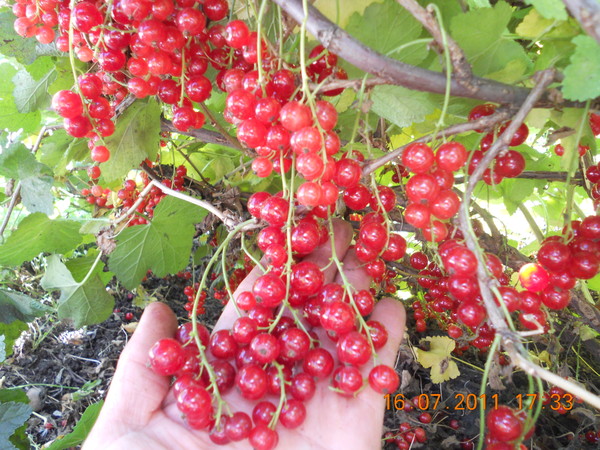
This video will show you how the Jonker Van Tets red currant variety grows and bears fruit.