
Katyusha, a universal blackcurrant variety
Content
Description
This blackcurrant variety was developed thanks to the efforts of specialists at the Institute of Fruit Growing of the National Academy of Sciences of Belarus, through a cross between the Paulinka variety and the Pilot variety developed by Alexander Mamkin. This new variety of the beloved crop was added to the State Register in 1998. It is recommended for cultivation in the Ural, Middle Volga, and North Caucasus regions of Russia.
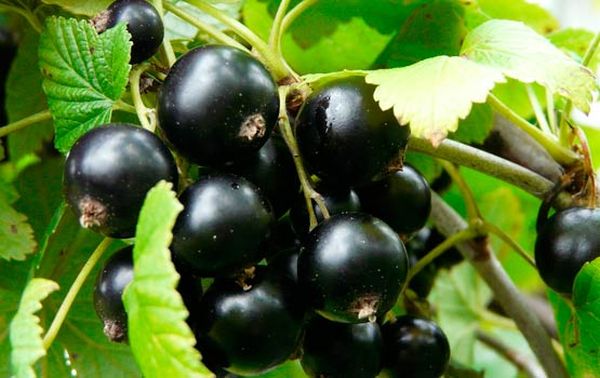
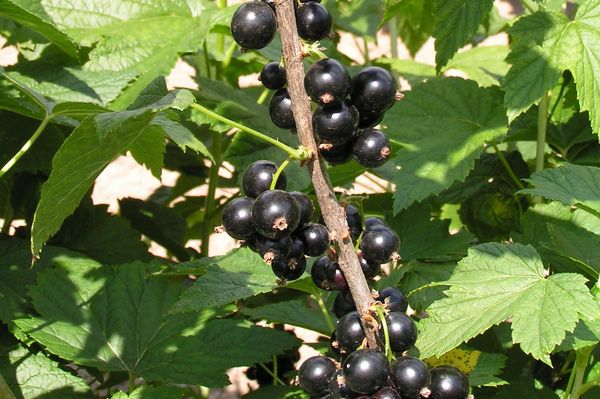
Externally, this beautiful currant variety is a vigorous bush with medium branching. It has medium-sized, woody shoots of green and gray-brown. The buds are pinkish-purple. The leaves are five-lobed and can be large or medium. The leaves are light green with horizontal blades. They are characterized by wavy edges. The notches between the lobes are sharp and quite deep. The petiole is glabrous.
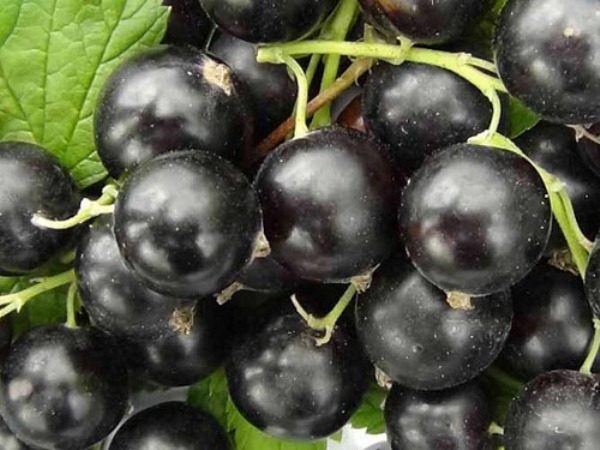
The plant's flowers are a rich red and medium-sized. The bush produces berries that can weigh up to 1.4 grams. They are black, elongated-oval, have a thick skin, and contain small seeds inside. Each berry contains only a few seeds. The surface is shiny and smooth to the touch. The berries have a sweet and sour taste and a pleasant aroma.
If we talk about the chemical composition, it includes soluble dry substances in the amount of 15.0%, sugars - about 7.8%, ascorbic acid - 191.4 mg per 100 g, pectin substances - about 1.4%. The titratable acidity level is 2.1%. This currant variety is winter-hardy, highly self-fertile, and resistant to leaf spot and powdery mildew. Berries hold well on the bush and are not prone to fruit drop. Yields typically reach up to 11 tons per hectare.
Growing and care
During cultivation, this black currant variety requires annual foliar feeding. This is recommended during flowering and fruit set. Creeping couch grass is detrimental to currants, so it should be rigorously removed. Fungal infections and pest infestations should also be prevented by spraying the bushes. Standard comprehensive care includes timely and adequate watering, weeding, loosening the soil, and weed removal. Important aspects of currant cultivation include soil selection, planting procedures, and pruning. We'll discuss these in more detail below.
Selecting soil
A well-lit location is ideal for this crop. If it lacks natural light, currants will respond by producing fewer berries and lowering their sugar content. The plant thrives in moderately or slightly podzolized, loamy, and sandy loam soils. The pH should be between 6 and 6.5. Stagnant water is detrimental to the crop. If this is likely, good drainage is recommended. If this recommendation is neglected, the bushes will likely develop poorly and may even die. Experience shows that it is best to plant currants along fences or other hedges that will provide protection from the wind.
Landing
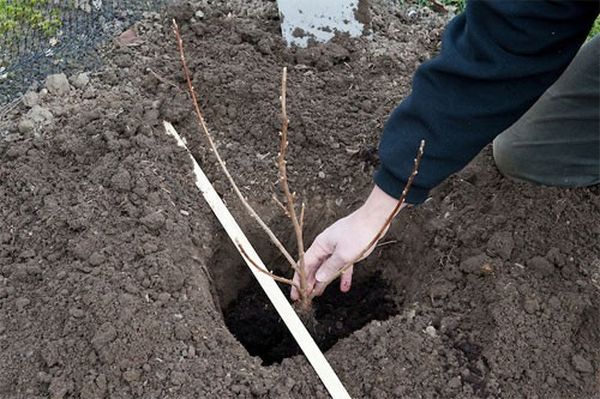
Before planting seedlings, the soil should be dug over and fertilized. The recommended distance between plants is no more than 1.5 meters. The planting hole should typically be 50 cm in diameter and 40 cm deep. Pour half a bucket's worth of water into the prepared hole. The seedling should be buried 5-10 cm into the soil, and its branches should be shortened by half to two-thirds of their total length. Once the seedling is in the hole, add the same amount of water, and cover the soil with manure, humus, or peat.
When planting, it's recommended to add fertilizers such as horse manure or humus. Suitable mineral fertilizers include up to 80 grams of double superphosphate, about 40 grams of potassium sulfate, and 100 grams of wood ash. Since currants typically have a shallow root system, the top layer of soil should always be kept well-moistened.
Watering is usually done 2-3 times a week. Each bush requires 1 bucket of water twice a day. Regular watering is especially important in July and August, during the fruiting period. Mulching the trunk area with horse manure will protect the plant from frost and snow in the future.
Trimming
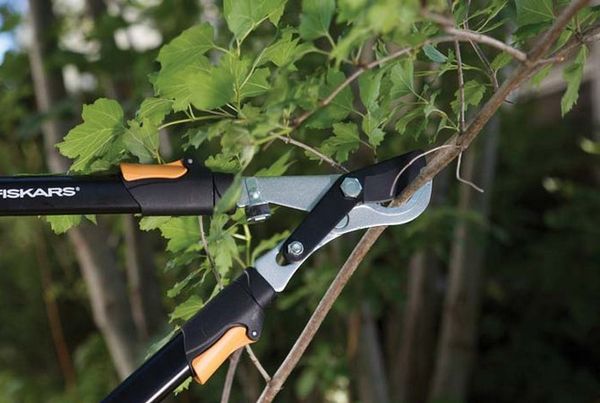
Proper pruning can increase yield, making the bush healthier and the berries larger. Pruning should be done in early spring, usually in April. It can be scheduled for late fall, but be sure to do it before frost. Branches should be pruned at the ground level. Branches older than five years and diseased shoots should be removed. Branches that lie on the ground are also removed. Periodic thinning is required. Weak and crooked shoots are removed from young shoots. Rejuvenation pruning involves annually removing old shoots. The bush should eventually have about 15 branches of varying ages.
Application
Blackcurrants can be eaten fresh or processed. They are very healthy, containing vitamins B and P, provitamin A, pectin, phosphoric acid, carotene, essential oil, and sugars. To meet the daily requirement for ascorbic acid, a person needs about 20 berries a day. Eating blackcurrants is recommended for atherosclerosis, diabetes prevention, and heart problems. They help maintain excellent vision, boost immunity, and even fight cancer cells.
Currants contain citric, oxalic, and malic acids. They also contain a lot of fiber, which is essential for proper bowel function.
They also contain vitamin E, essential for normal hair growth, healthy skin, and nails. The berries are often used to make delicious jams, preserves, and juices.
Video: "Beneficial Properties of Black Currants"
This video will tell you about all the beneficial properties of blackcurrant. This berry is a treasure trove of vitamins and minerals.