
Potato peelings are the best fertilizer for currants.
Content
How to prepare fertilizer
Natural fertilizers, which are easily obtained without any health risks, are becoming increasingly popular among gardeners. Potato peels contain a large number of microelements beneficial to plants, including phosphorus, fluorine, iron, potassium, and magnesium. For example, potassium helps produce juicier and sweeter berries. Phosphorus, meanwhile, promotes rapid root growth and promotes normal flowering.
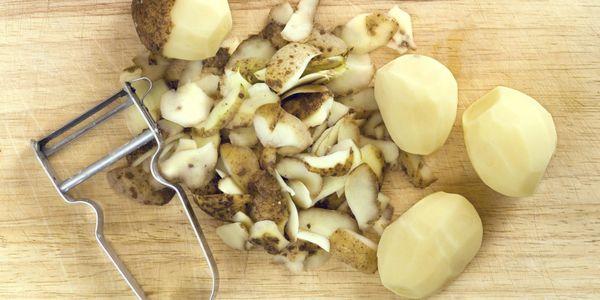
Potato peelings are a good fertilizer for plants such as gooseberries, currants, raspberries, and many other types of berry and ornamental shrubs. They also promote the growth of fruit trees, strawberry bushes, a number of vegetables, and flowers, including indoor varieties. Using such fertilizer is not recommended for potatoes, tomatoes, peppers, eggplants, physalis, nightshade plants, or garlic, as the peels sometimes harbor pathogenic fungi that are dangerous to these crops.
It's recommended to dry or freeze potato skins at home. If the temperature outside is below freezing, they can be laid out on a cool balcony. With the arrival of early spring, the prepared skins should be taken to the garden immediately. Otherwise, the skins may begin to rot and emit an unpleasant odor.
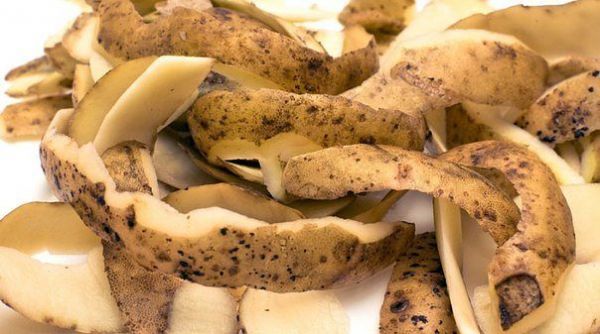
Drying potato peelings is more reliable and convenient, although it does take some time. It's recommended to do this on a hot radiator. You can also place the peels in the oven. To obtain excellent fertilizer, it's recommended to grind the material in a meat grinder after drying and dry it again in the oven. When spring arrives, the peels should be placed in a barrel or other large container. They are usually poured with boiling water and left to soak for a couple of days, stirring occasionally.
How to apply
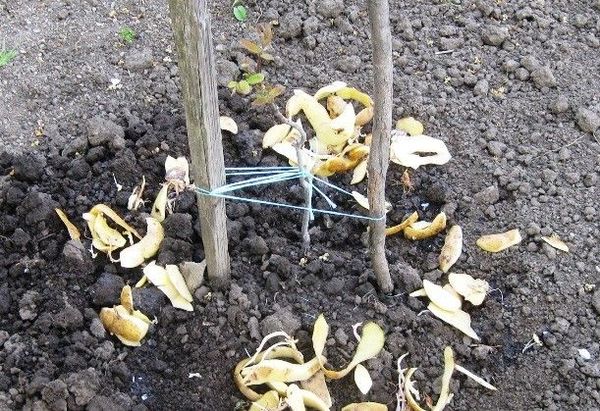
First, the homemade mixture is poured into the bottom of the prepared holes, and then the plants are planted. Apply this fertilizer every 10 to 14 days. Be sure to strain the infusion through a sieve before use. This applies to vegetable crops. Potato peelings have proven to be an excellent fertilizer for currants and similar berry bushes. They allow gardeners to harvest not only large but also delicious berries. It's especially important to feed the bush with this solution during the fruiting period, when the berries are ripening, shortly before the planned harvest.
To ensure potato fertilizer delivers significant benefits, it's important to remember the simple rules for using it in your garden. It's not recommended to place potato peelings on the soil surface, as this will not only ruin the appearance of the garden but also attract rodents. For currants and other fruit and berry crops, peelings should be buried close to the root system. Dry material is best for this purpose.
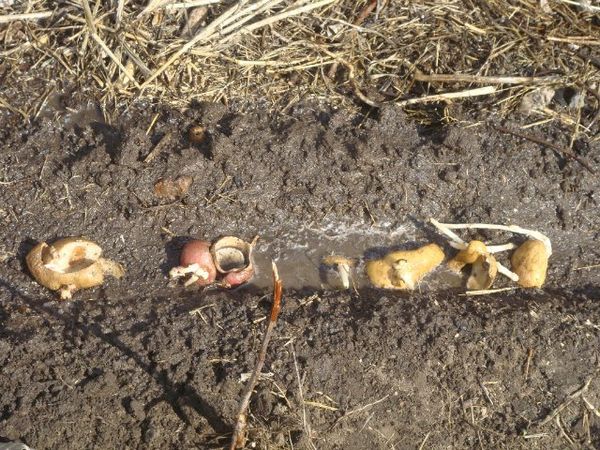
In the spring, before the currant bushes begin to bloom, it's recommended to draw a projection of the bush's crown onto the ground surface. Next, dig a trench along the outlined line. Its depth is typically about 15 cm. Place a layer of dry potato peelings at the bottom and bury them. As the potato peelings decompose, they will enrich the currant bush with all the necessary nutrients. If the plants have recently suffered from scab or late blight, it's recommended to disinfect the peelings beforehand. A diluted solution of potassium permanganate will help with this.
Fertilizer results
Many gardeners have already experienced the effectiveness of this fertilizer firsthand. It contains a lot of starch and glucose, which are essential for currants to grow and develop properly. Burying the peelings is acceptable in both spring and summer. It's recommended to use them dry or by soaking them in boiling water to create a solution. Be sure to let the solution cool before use. When you remove fallen leaves and loosen the soil in the fall, don't forget to bury the dry peelings in a circle. Place a layer of dry grass on top. Then you can expect good results.
Using this fertilizer increases soil fertility. Its structure improves, making the soil looser and lighter. These benefits are especially beneficial for silt, clay, and peat soils.
This fertilizer is safe and non-toxic for both shrubs and humans. Unlike modern "chemicals" found in stores, potato peel fertilizer is organic and decomposes more quickly, as it is processed by bacteria in the soil. You can be sure that the micronutrients needed for proper growth and development will reach your plants quickly through the root system.
One minor side effect to keep in mind is that rapid decomposition will result in significant heat release. The soil will warm up much faster if you schedule your fertilizer application for spring.
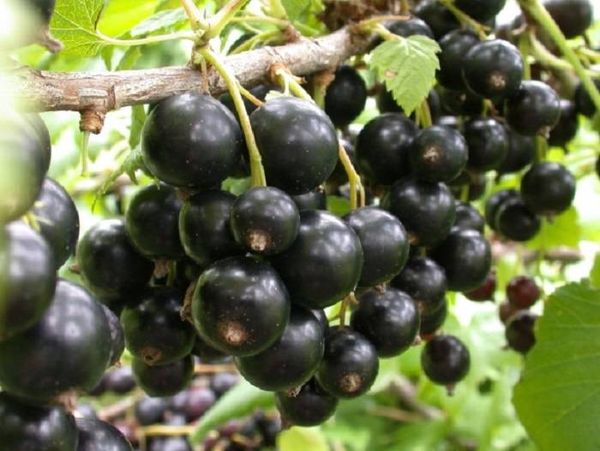
This fertilizer is very cost-effective. There's hardly a gardener who doesn't grow potatoes in their garden and use them for food. Even with excellent-quality tubers, peeling wastes up to a fifth of the entire volume of this beloved vegetable. Therefore, potato peelings can safely be considered a practically free, useful, and effective fertilizer.
While other natural fertilizers result in not only intensive growth of crops but also weeds, potato peelings have little effect. This fertilizer is essential for many agricultural crops at all stages of development.
Video: How to Use Potato Peelings as Fertilizer
This video will show you how to properly use potato peeling fertilizer.