
Tips and recommendations for propagating red currants
Content
The nuances of currant transplantation
A red currant bush can thrive and produce a healthy harvest, growing in the same spot for over a decade. However, sometimes replanting is necessary. This should be done in the spring, as soon as the snow melts and the soil warms. It's best not to move older bushes; let them remain in the same location. Young seedlings, however, can quickly establish themselves in a new location. It's best to prepare the planting hole well in advance.
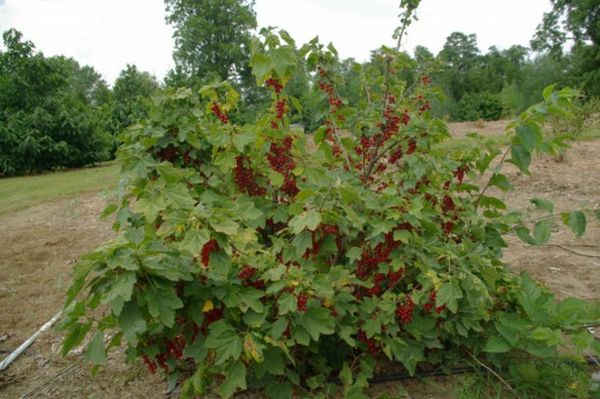
For replanting, choose a sunny spot that's well-protected from the wind. Dig a trench in this area and fill the bottom with soil mixed with humus. Avoid adding fresh manure, ash, or minerals to the hole, as these substances can burn the currant roots. The currant bush should be dug up from its previous location, complete with a lump of soil. This should be done with extreme care to avoid damaging the roots. Then, place the bush vertically in the prepared hole and keep it well-watered.
To improve the plant's survival in its new location, it's worth pruning young bushes, leaving a few buds on the branches. Pruning will help direct all the plant's energy and nutrients to the roots, which will help the plant establish well and improve its yield.
Reproduction
Currant bushes are propagated in two main ways: by cuttings and layering. Each method has its own specifics. The choice of propagation method depends on the gardener, who takes into account the regional climate and the expected results. How to propagate red currants correctly?
Cuttings
Woody cuttings are most often used for propagation. In late summer or early fall, when performing sanitary and rejuvenating pruning, it's a good idea to select several strong, healthy shoots and remove their leaves. After this, the branches should be cut into sections approximately 0.2 meters long. The top cut should be made at a right angle, and the bottom cut should be at an angle and placed under a bud. At least four buds should remain on each shoot.
After the prepared planting material has been treated with a root growth stimulant, it is planted in loosened soil. The cuttings should take root there. When planting, the branches should be positioned at an acute angle to the ground, leaving a couple of buds above the surface (not buried).
Maintain a distance of 0.1–0.15 meters between cuttings. The area where the young cuttings are planted should be regularly moistened and mulched with peat or compost. If planting is done later than recommended, the bed should be protected with spruce branches and covered with non-woven material.
To maintain the proper moisture level, the soil should be mulched with polyethylene. In this case, first place the film over the bed, make holes in it, and insert the cuttings. The polyethylene will prevent the soil from drying out, allowing the young currant cuttings to develop a root system fairly quickly.
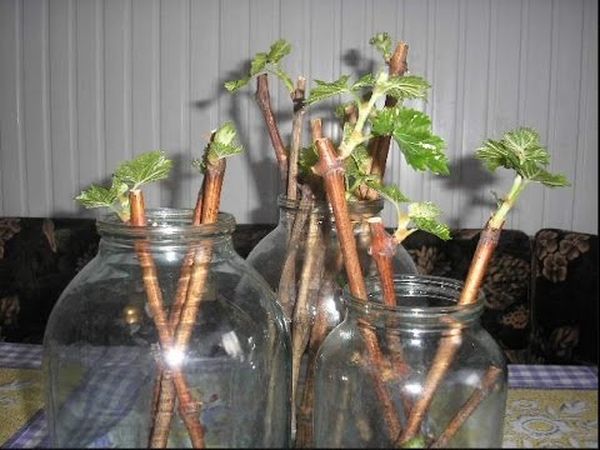
Red currants can also be propagated using green cuttings. These should be collected in June, when the shoots begin to grow actively. Cuttings involve cutting the shoots along with part of the branch on which they formed. After this, the mother branch is trimmed to 4 centimeters, and the shoot itself should be up to 7 centimeters long. Only leaves that interfere with subsequent planting of the cuttings should be removed.
Prepared red currant seedlings are planted so that the green part is vertical, and the base is horizontal in the soil at a depth of 0.1–0.15 meters. After planting, the bed should be watered to ensure water penetrates to a depth of 0.05–0.07 meters, and then mulched. Until the cuttings take root, they should be watered daily, and then every other day. Initially, the seedlings should be protected from direct sunlight.
Green seedlings are capable of developing a strong root system at the expense of the development of above-ground organs, so it is best to plant them in a permanent location after a year.
Layering
As for propagation by layering, it's best to do this in early spring. To do this, select a bush for harvesting and loosen the soil underneath. Then, dig small trenches, approximately 0.08 meters deep, under strong, healthy one- and two-year-old shoots. The depth of the trenches should be equal to the length of the branches. Bend the branches into the dug furrows and secure them to the ground with iron or wooden hooks. Then, cover them with soil, leaving their tops above the soil surface.
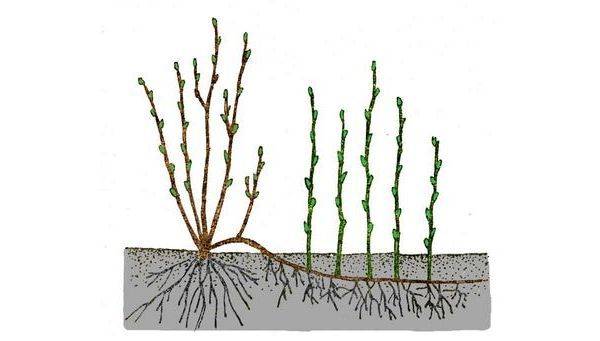
When the red currant shoots reach a height of 0.1 - 0.12 meters, they should be hilled up to the top with loose soil. As the young stems stretch, add soil to them. Avoid compacting the soil or allowing it to dry out throughout the summer.
At the end of September, the pinned branches should be cut from the mother bush and carefully dug up, without damaging the root system of the cuttings. After this, the branch should be divided into a number of parts corresponding to the number of formed and rooted shoots. Sufficiently developed cuttings should be planted in their permanent location, while weaker ones should be nurtured for another year.
Post-transplant care
After planting the prepared cuttings and layers, the crop requires careful care. Green cuttings should be regularly aired and hardened off before removing their covering. Maintaining a proper water and temperature balance in the greenhouse is crucial. For the first 2-3 weeks, the seedlings require daily misting to maintain high air and soil humidity. The optimal daytime temperature for root formation is 25°C (77°F) and nighttime temperatures are 16°C (61°F).
After a couple of weeks, reduce the frequency of watering, and fertilize the soil. Dead leaves and weeds growing near the currants should be removed. On hot summer days, the seedlings should be additionally protected from the sun. Temperatures rising to 30°C or higher negatively impact photosynthesis.
The main difference between black and red currants is their rooting process. The first berry to be planted takes root faster. Therefore, it's best to harvest red currant cuttings a few weeks earlier.
So, currants are most often propagated at home using cuttings and layering. Preparing them is quite simple if you follow certain recommendations. Propagating the berry this way is definitely worth it. After all, preparing your own planting material guarantees healthy bushes and delicious, aromatic berries.
Video: Propagation and Pruning of Currants
This video will teach you how to properly propagate and care for currants.