
How to plant currants and gooseberries next to each other in a plot
Content
Features of crop compatibility
In gardening, there's a special method that can improve fruiting to a certain extent and also simplify crop care. This method involves interplanting varieties that interact positively. This method is often used with gooseberries and currants. Therefore, bushes of these varieties are almost always planted in close proximity to each other.
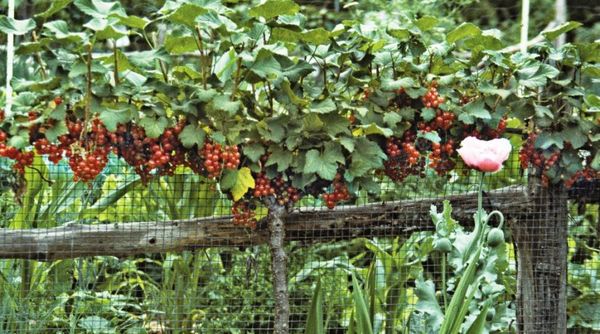
This juxtaposition of these two different crops has positive aspects, thanks to the fact that gooseberries and currants belong to the Saxifrage family and the Ribes genus. They share virtually the same biological properties, allowing them to be grown using nearly identical techniques. Therefore, these plants share the following cultivation guidelines:
- the bushes begin to bear fruit approximately 2–3 years after planting the seedlings in a permanent growing location;
- With proper planting and care, abundant and consistent fruiting is observed from the 2nd to 3rd year. With proper cultivation practices, currants yield up to 120 centners of berries per hectare, and gooseberries up to 200 centners;
- Low maintenance. After planting, seedlings require minimal care, which consists of certain activities (pruning, watering, etc.);
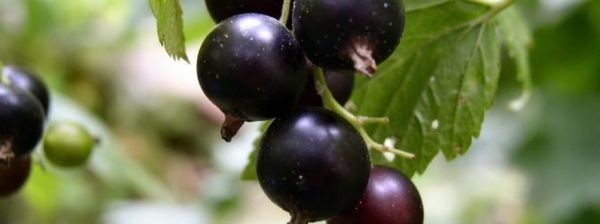
- The bushes are highly winter-hardy. Therefore, they are not affected by temperature fluctuations, requiring less work to prepare the bushes for winter;
- The growing region is temperate latitudes. Both of these crops are often grown in the northern, central, and eastern regions of Russia, as well as in northwestern Ukraine and Belarus.
In addition to the above points, currants and gooseberries are characterized by the following biological and morphological features:
- Shrubs that should have approximately 15–40 branches. These branches should be formed in different years;
- currants and gooseberries can grow 1–2 meters in height;
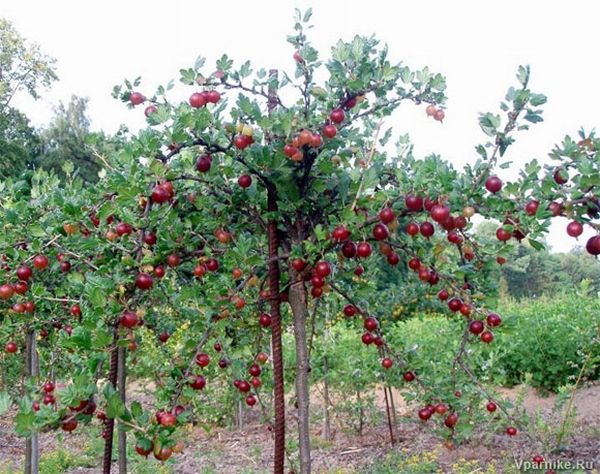
- The bushes have a fibrous root system. The main root mass (about 80%) is concentrated at a depth of approximately 10–40 cm. However, they rarely extend beyond the crown projection;
- Plants bloom quite early. Frost is possible during their flowering period. Therefore, to obtain a bountiful harvest, it is necessary to plant self-fertile varieties in the garden. It is important to note that cross-pollination of both crops can significantly increase their yield.
- The lifespan of gooseberry and currant plantings is about 12-18 years.
It has been proven that gooseberries grow well alongside red currants. Both crops show excellent compatibility. However, it's best not to plant gooseberries near blackcurrants. This is because they share a common enemy: the gooseberry moth. Therefore, if the blackcurrants are attacked, the pests will eventually spread to the gooseberries.
Besides their common features, there are also some differences between these two crops. For example, gooseberries are characterized by a greater ability to regenerate shoots. Furthermore, the resulting basal suckers lead to dense bushes. Therefore, caring for gooseberries will be more challenging than for currants.
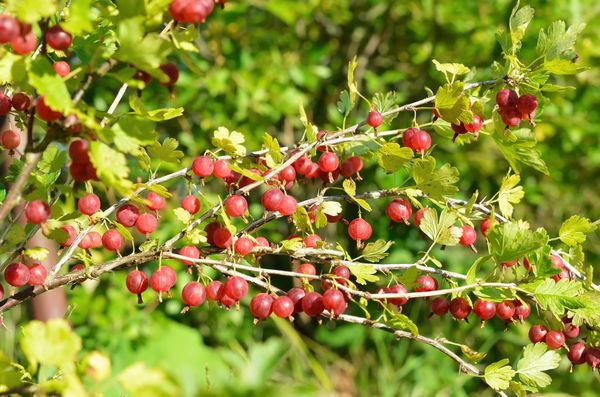
To prevent the crown from becoming too dense, gooseberries need to be pruned periodically. The number of basal shoots can be minimized by mulching the soil with plenty of manure. Proper fertilization can increase the lifespan of branches from 7-8 to 10 years or more.
The fruits of both crops are used fresh, as well as for preservation (jam, compotes), and winemaking.
Landing site requirements
Gooseberries and currants can be planted next to each other if all the requirements for choosing a site for growing the two crops have been met. When choosing a place to plant currants and gooseberries, it is important to take into account their biological characteristics.
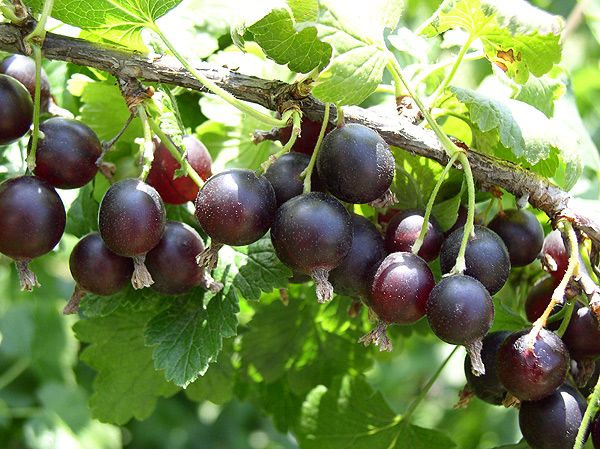
Currants are best planted in slightly elevated areas that receive good daytime sunlight. Red varieties are more drought-resistant than black varieties.
Since blackcurrants prefer moisture, they should be planted in lower, moist locations—northwest, north, and west-facing slopes, or on level ground. Boggy, low-lying soils are unsuitable for this variety. The site should also be protected from strong winds. However, it's important to remember that planting gooseberries alongside blackcurrants isn't ideal.
Currants and gooseberries are best planted in leached (free of carbonates and salts) and fertile soils. Loamy soils are also suitable for red varieties and gooseberries.
If the site has acidic soil, dolomite flour should be added to the soil (300 grams per square meter). You can also add 300 grams of lime (per square meter).
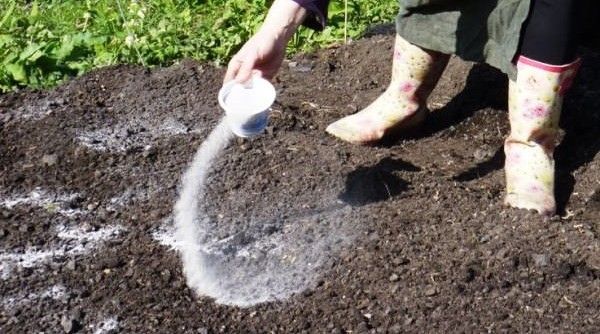
Planting of seedlings should be carried out in areas that have the following characteristics:
- level surface. Minor slopes are allowed;
- The site must be in an open area. Lacy shade is permitted;
- The presence of protection for shrubs from strong cold winds. Therefore, seedlings are often planted near various buildings or along fences;
- groundwater must be at a depth of at least 1.5 meters.
These crops can be grown in the same place for 25 years.
Soil preparation
Once the site has been selected, before planting the seedlings, it must be prepared as follows:
- dig the soil thoroughly to a depth of 40 cm;
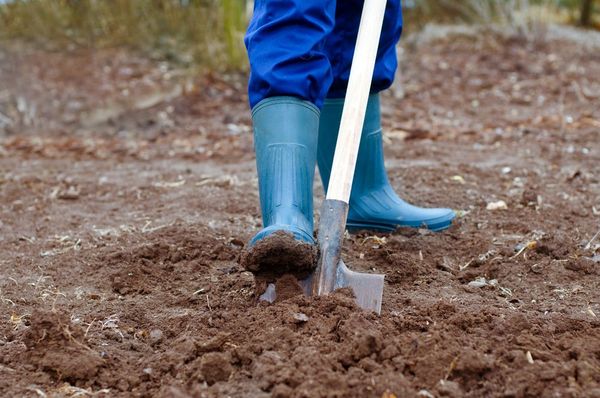
- Add fertilizers (compost, cow manure, peat soil, ash, etc.). Each type of fertilizer is applied to the soil in a specific ratio. The soil pH should be between 5.5 and 7. For this purpose, certain types of fertilizers and dolomite flour are used.
During preparation, the following types of fertilizers should be added to the soil per 1 square meter of plantings:
- compost, humus or manure – 4–6 kilograms;
- potassium salt – 15 grams;
- wood ash – 300 grams;
- superphosphate – 60 grams.
Preparing the soil for the area where these crops can be planted is done in the fall (first half of October), when the harvest has already been collected from the beds.
Before working the soil, the surface must be cleared of all plant debris. Rake up all plant debris, including branches, and burn them. These debris can harbor pathogens and pests, which use them to survive the winter. If left unburned, they can become a source of infection and a breeding ground for parasites in the spring.
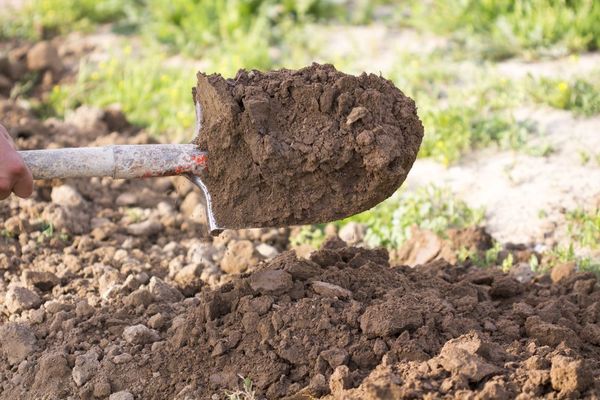
Digging up a site performs the following functions:
- creates good drainage;
- allows air to easily penetrate to the root system of seedlings planted after site preparation;
- makes it possible to apply fertilizers to a certain depth;
- It simplifies the process of removing weeds from the plot. If the soil is heavily infested with weeds, it is recommended to dig it twice a year (in spring and fall). Experienced gardeners also recommend planting vegetables in such a plot or leaving it fallow for one year.
In addition to fall preparation, spring site preparation is also possible. In this case, all the steps described above are carried out several weeks before planting the purchased seedlings. However, it is best to prepare the selected site in the fall to allow the applied fertilizers to convert into the form needed by the plants.
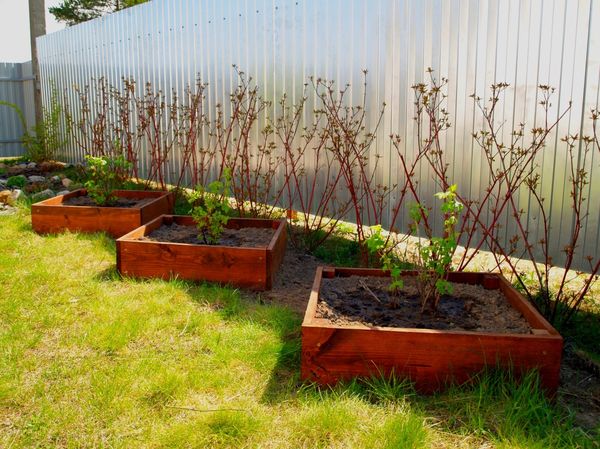
Before planting currants and gooseberries, it's important to plan the prepared area. This will prevent furrows, holes, and depressions from forming. To achieve this, the soil should be thoroughly leveled after digging and fertilizing, creating a flat surface.
Planting technology
To plant gooseberry and currant bushes side by side, you need to know the specific planting techniques for each crop. These bushes are usually planted together in a single row along the edges of the plot. However, multiple rows are also possible.
Before planting gooseberries and currants, the following manipulations are carried out with their seedlings:
- pruning is carried out, during which diseased, broken and dried roots are removed;
- the above-ground part of the plants is cut off (for gooseberries by 10–15 cm, for currants – 15–20 cm).
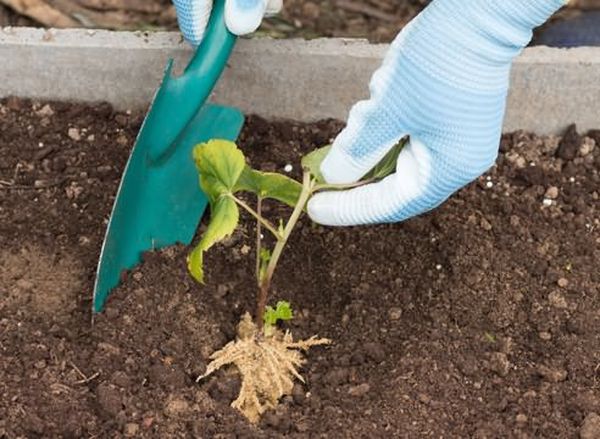
The seedlings are planted in pre-prepared holes with fertilizer added to the bottom. It's best to use the same fertilizer that was applied during the fall soil preparation. It's not recommended to plant two currant and two gooseberry seedlings in the same hole. This will reduce the yield of both plants.
Seedlings should be spaced 1.5 meters apart. Between adjacent rows, maintain a distance of 1.8–2.1 meters. Currants should be planted approximately 6–10 cm deeper, and gooseberry bushes 5–6 cm deeper than their original nursery height. After planting, the plants should have 2–3 buds remaining on each shoot.
When placing seedlings in a planting hole (40x40 cm), remember to tilt them at a 45° angle relative to the ground. This placement will allow the shoots to spread out quickly and effectively in a fan-shaped pattern.
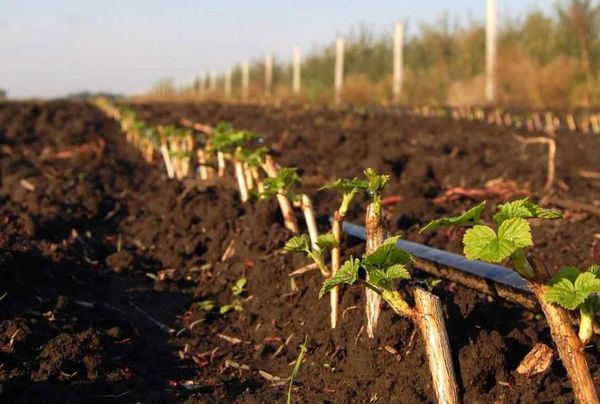
Using this technique for planting gooseberries and currants will stimulate the formation of additional shoots near the base of the main branches. This will result in a broad base for the bush. The branches will be spread out more freely. This will lead to renewed shoot growth from the buried portion of the stem, where the underground buds are located. Shoot growth from the root collar will also resume.
Planting bushes of these two crops involves the following steps:
- placing plants in planting holes;
- Straightening out their root system. The seedlings should be gently shaken so that the soil poured on top evenly fills all the voids that have formed around the roots;
- Fill the underground portion of the seedlings with soil, gradually compacting the soil. While filling the planting hole, when it's half full, water it. Pour half a bucket of water under each bush.
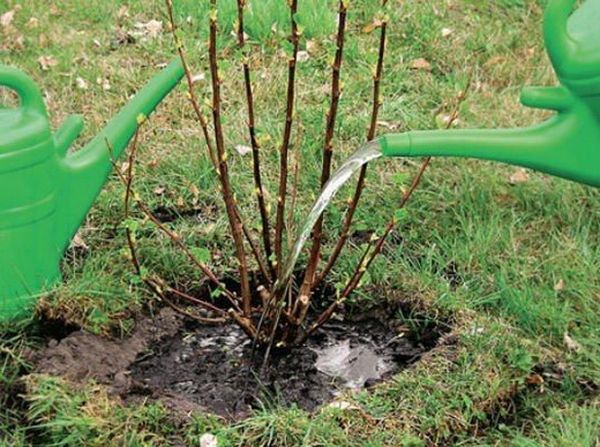
After the root system of the seedlings has been covered, the following steps are performed:
- A hole is formed into which about one bucket of water should be poured. This procedure is carried out for each planted plant;
- To conserve moisture, the soil around shrubs is mulched. Peat or compost is used for this purpose. It's also possible to sprinkle the area around the tree trunks with dry soil or sand. Mulch will prevent rapid evaporation of moisture from the soil and also prevent the growth of weeds.
Now you know how to plant currants and gooseberries together so that both varieties produce a bountiful harvest.
Post-planting care
Once the seedlings have been planted, they require some care. Since currants and gooseberries are easy-to-grow plants, caring for them boils down to the following agricultural practices:
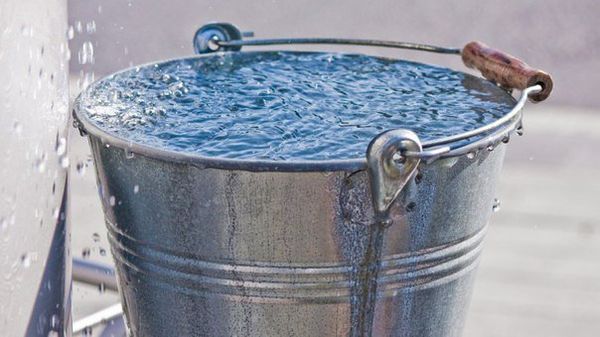
- In spring, water 4-5 times a day. In dry weather, the frequency of watering can be increased. Water the bushes in the morning or evening, pouring one bucket of water under each plant.
- Weeding and loosening the soil. These two procedures are not performed if the tree trunk area has been mulched;
- Fertilizing. Fertilizers are typically applied during flowering and crop formation when the soil is poor. If the soil is fertile, the fertilizer applied in the spring during planting will be sufficient for the plants. Subsequently, annual fertilization maintains the required nutrient content in the substrate.
- pruning branches and shaping the crown.
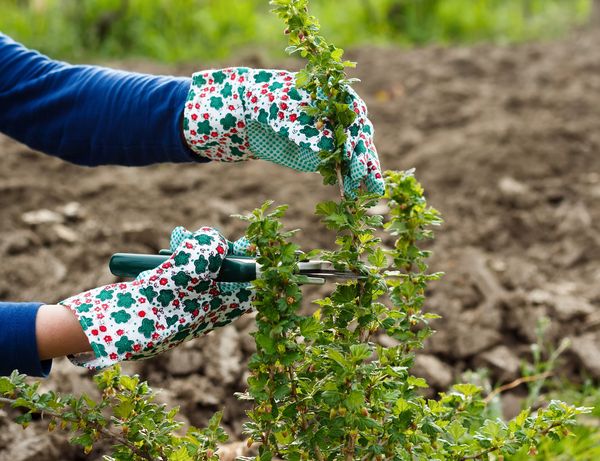
The most important aspect of care is pruning. This procedure is performed in the spring. During spring pruning, all broken, damaged, and frozen branches should be removed. Pruning should create a crown of shoots of varying ages. This ensures good fruiting.
To prevent infections and pest infestations, shrubs are sprayed with insecticides (such as Intavir) as a preventative measure. Alternatively, simply pouring boiling water over the plants will not harm the buds but will kill insects. Furthermore, shrubs should be regularly inspected for the first signs of disease or insect infestation. This will quickly eliminate the problem with minimal crop losses.
As we can see, currants and gooseberries can be grown together in the same plot. By following simple agricultural practices during planting and subsequent care, you can reap a bountiful harvest.
Video "Plant Compatibility"
This video will show you which plants get along well with each other.