
Rules for autumn and spring pruning of red currants
Content
Why is pruning recommended?
Red currants are long-lived. They grow and bear fruit reliably in the same spot for 20-25 years. They prefer fertile soil with consistent moderate moisture and plenty of sun. Therefore, one of the goals of pruning is to maximize the bush's exposure to light. During the first seven years, weak shoots are removed, and in subsequent years, unnecessary shoots and old, unproductive branches are removed. This allows the bush to utilize its strength efficiently, clearing the crown of unnecessary ballast.
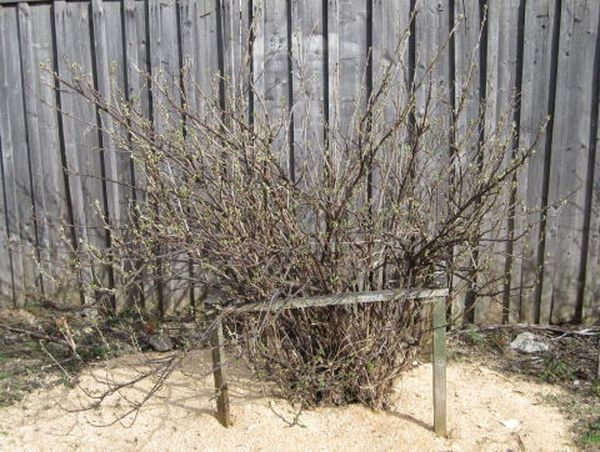
Red currants are less susceptible to fungal diseases than black currants and have remarkable frost resistance. Bushes covered in snow survive frosts down to -45°C (-113°F). However, a spring inspection may reveal dried and diseased shoots, which should, of course, be removed. Proper pruning ensures ease of care and harvesting. Therefore, any branches that obstruct or trail along the ground should also be pruned.
How to trim correctly
Applying the same pruning principles to black and red currants would be incorrect, as they have significant differences in fruiting. Black currants produce their main fruit on the lateral, annual growth of 3- or 4-year-old branches, so they are pruned to promote branching. Red currants, on the other hand, produce fruit buds at the base of year-old branches and are evenly distributed along the entire length of perennial branches, which lose their fruiting capacity only after 6-7 years.
Therefore, pinching the tops is not done at all. Another characteristic of red currants is their low ability to form zero-order shoots. Over the course of seven years, a bush produces about 25 branches.
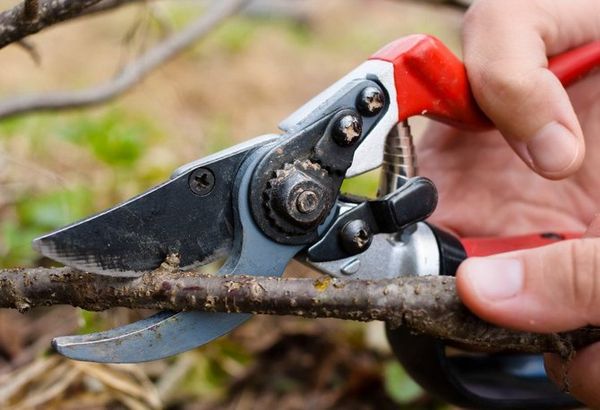
The first pruning is carried out immediately after planting, leaving 2-3 buds on each shoot, the outermost of which should be directed outward from the bush. Over the next 6-7 years, remove dead, diseased, frost-damaged branches, and the weakest new growth. In the 6th or 7th year, remove the oldest branches and excess new growth, leaving the strongest branches growing in the desired direction. A bush should consist of 20-25 branches of varying ages.
Benefits of spring pruning
In March, before pruning, you should soak red currants in hot water. This will wash away harmful spores from the shoots and stimulate bud development.
Currant bushes are trained very early in the spring, before bud break. First, all frozen, dried, diseased, and spider mite-infested shoots are removed, which are identified by characteristic bud swellings. The strongest of the previous year's shoots are shortened by half their length to the outer bud, and the rest are pruned. At the same time, the bushes are rejuvenated, with no more than 5-6 dead branches removed. These should be cut as low as possible, without leaving a stump.
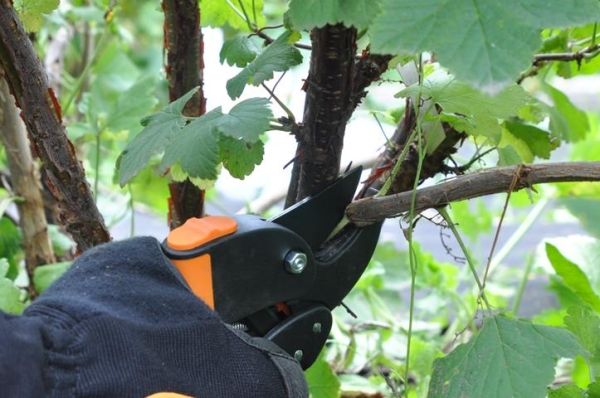
It is recommended to treat large wounds with garden pitch. At this time, you can propagate currants by layering. For future seedlings, select one- or two-year-old shoots, bend them down, place them in a pre-dug trench, pin them down with a staple, and cover with soil. The top of the shoot should remain free.
Features of autumn pruning
Autumn is the optimal time to prune currants. This procedure begins after the leaves have fallen, when the plant enters dormancy.
If the bush wasn't pruned in the spring, a comprehensive pruning program is performed. Otherwise, sanitary pruning is limited to this, which, by the way, can be performed throughout the summer as soon as a dried or broken branch is discovered.
Caring for a bush after pruning
In April, the bushes are fed with urea and treated for disease prevention. Then, when the soil dries, the tree trunks are loosened and mulched with a 10-centimeter layer of peat or compost. In the fall, organic fertilizer is applied to the pruned bushes, carefully incorporating it into the soil.
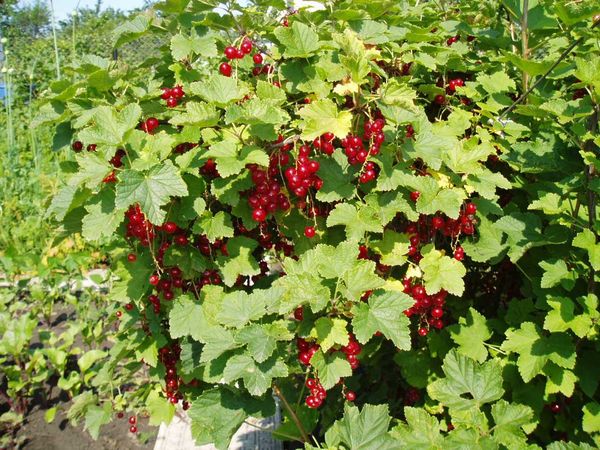
If the autumn is dry, watering should be done to recharge the berries. High yields, low maintenance requirements, and a rich supply of vitamins and microelements explain the popularity of this berry. Proper pruning will allow you to enjoy delicious and aromatic fruits for many years to come.
Video: "Rules for Pruning Currant Bushes"
This video will show you how to properly prune currant bushes.