
How to effectively control aphids on currants
Content
How to detect aphids on currants
Aphids are very small insects, the largest reaching 2.2 mm in length. Their presence can only be detected by changes occurring on young leaves. Red or yellow swellings may appear on them, most often on red and white currant leaves. This indicates the activity of the gall aphid or currant hairy aphid.
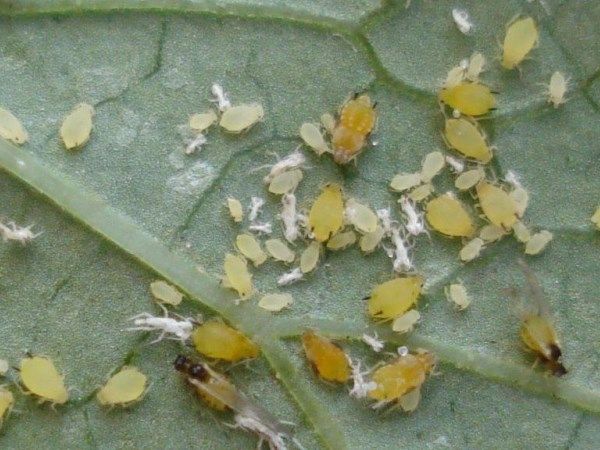
On black currants, the appearance of gooseberry or shoot aphids is indicated by curling of the leaves. It is necessary to get rid of this pest from the first moment of detection – they can cause too much trouble.
As soon as the young leaves begin to unfurl, the first generation of aphids emerges from eggs laid by females under the bark of young one-year-old shoots in the fall. These first aphids feed on the sap of the young leaves, and a new generation emerges within a very short time. Aphids reproduce especially rapidly in dry, hot weather.
By midsummer, when new leaf growth slows or stops, the first generation of winged aphids emerges, enabling them to migrate to other plants. They colonize nearby weeds and spread further throughout the garden. In the fall, fertilized queens return to the currant bushes to lay eggs under the bark of young shoots.
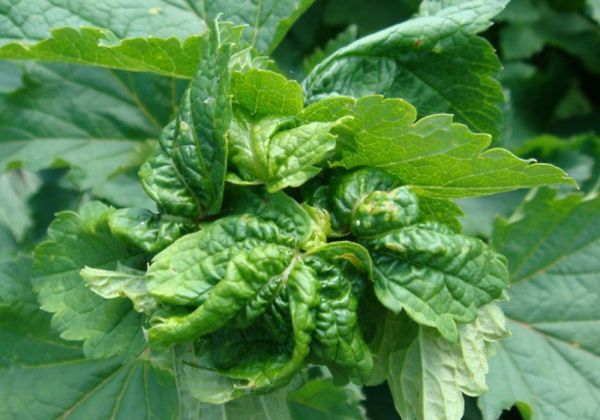
Currant aphids can be seen when large numbers of these tiny pests cover the tips of young shoots and nestle on the undersides of leaves, causing them to become deformed and wither. Bushes infested with aphids lose much of their strength, stop growing, and their yields decline in quality and quantity. Young, immature bushes may die permanently if the harmful aphids are not controlled.
Chemical control
The most effective treatment is specialized chemicals available in stores. They don't repel pests, but rather destroy them. Bees and other beneficial insects can also be harmed, so gardeners and owners of small private gardens try to avoid using them or delay it until the last minute, hoping to get rid of aphids on currants with gentler, more natural methods.
But when a large number of plants are infested, as happens in large gardens, it is difficult to rid currant bushes of aphids by spraying them with herbal infusions or washing away the parasites with jets of water - it is simply physically impossible to do this on hundreds of bushes.
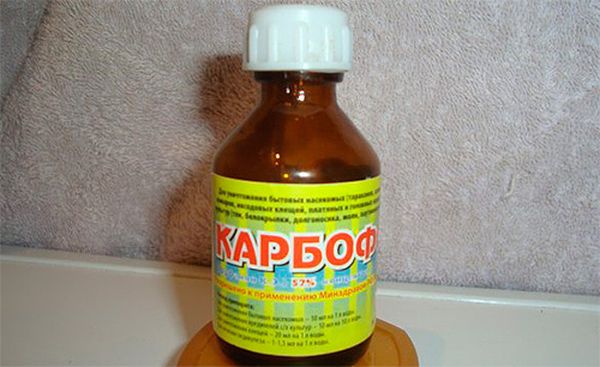
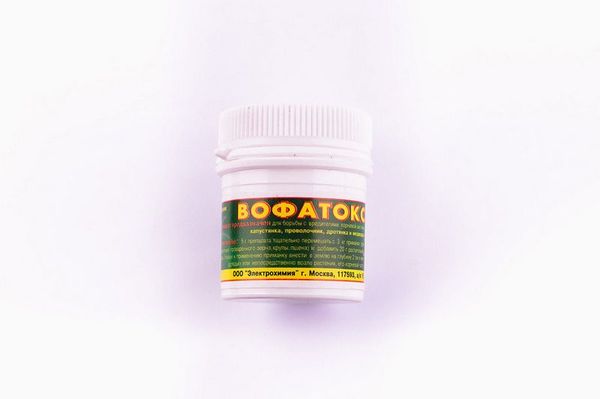
Treating currants with well-known insecticides such as Karbofos, Vofatox, and Kinmiks will help you get rid of aphids quickly. Frequently used products include Aktara, Rovikurt, Actellic, and Novaktion. All of these products have manufacturer certifications and specifications, as well as instructions that must be strictly followed when using.
There's a whole group of expensive products, perhaps for that reason rarer in our stores, that can also be used to protect your garden. These include "Assail" and "Neemix," made in India; "Exirel" and "Sivanto," which are very dangerous for bees and fish; and "Admire," which is used to treat soil to kill root aphids.
Thanks to the advancement of the chemical industry, the choice of products is vast. However, they must be used with extreme caution – plants should be treated with them before or at the very beginning of bud break, after harvest. Sometimes, we try to save bushes by risking harm not only to beneficial insects but even to those that will eat the berries, especially when treatments are applied during or immediately after flowering.
Experts warn that the last application of chemicals should occur no later than a month before harvesting. Experienced gardeners recommend using chemicals in early spring and fall, and then using one or more traditional remedies in the summer, even though this will require more time and effort.
If aphids have infested not only currants but also gooseberries and roses, then insecticides will have to be used, and it's best not to waste time on doubts.
Folk methods of struggle
The chemical industry has been developing for a couple of centuries, but currants have been grown for a bit longer. And aphids weren't born in the last century—people have been saving their crops all this time. Folk remedies can still be used today. For example, as soon as you notice signs of aphids on your bushes, you should wash them, especially young shoots and the undersides of all leaves, with a strong stream of water to get rid of the bulk of the pests. After this, you should thoroughly treat the plants, making sure to treat every leaf or shoot with one of the infusions.
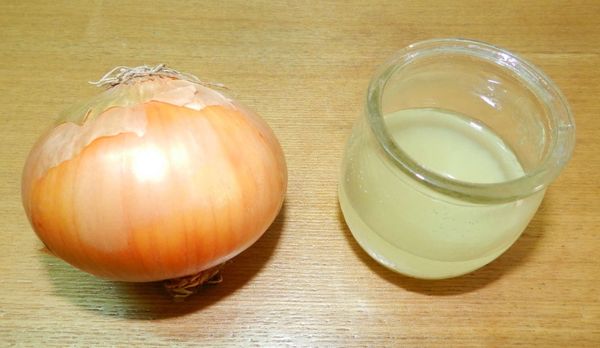
Onion or garlic infusions have shown good results; in addition to repelling aphids, they also boost the plants' immune system, helping them resist many diseases. Tomato top infusions are made in the summer when removing side shoots from tomatoes, and by picking fragrant marigold flowers and soaking them in water, a similarly fragrant infusion is obtained after a couple of days. Both of these infusions protect not only against aphids but also against other pests. Other herbal remedies used for infusions include celandine, wormwood, and hot pepper.
Wood ash, soda ash, tobacco, or shag can be infused for several days. The infusion process involves adding a certain amount of the substance to water, letting it steep for several hours to five days, and then straining. For example, 0.5 kg of tobacco is used for 10 liters of water, and after straining, dilute it with another ten liters of water. Marigold flowers are collected in half a bucket, filled with water to the very top, infused, and then no more water is added after straining.
- A concentrate is prepared from hot pepper (1 kg of pepper + 10 liters of water, boiled for 1 hour), then each glass is diluted in 10 liters of water.
- 4 kg of tomato tops are boiled for 0.5 hours in 10 liters of water, then diluted five times just before spraying.
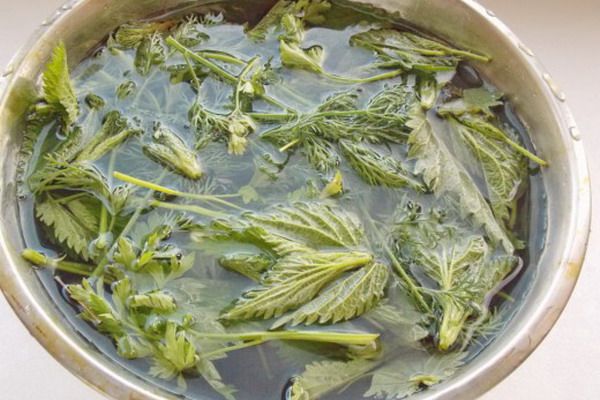
- There's no need to dilute the garlic infusion with water. Simply crush half a kilogram of garlic cloves, add five liters of water, and let it steep for 24 hours.
- An onion infusion is made from green onions: one kilogram of chopped greens is steeped in 10 liters of water for 6 hours, then strained and used. Alternatively, 0.5 kg of onion peels can be steeped in 10 liters of water for 4-5 days.
- An infusion of wood ash and wormwood has proven effective. Take 0.5 kg of wormwood, a cup of ash, add 5 liters of water, let steep for 5 hours, and dilute the strained solution twice.
- You don't even need to let the washing soda steep; just take 1 tablespoon, add 1 liter of water and stir thoroughly.
- If using celandine for pest control, be sure to wear personal protective equipment, as its sap is highly toxic. Take 4 kg of fresh celandine, chop it, add 10 liters of water, let it steep for at least 24 hours, then strain and apply to the currants. Wear gloves when doing this.
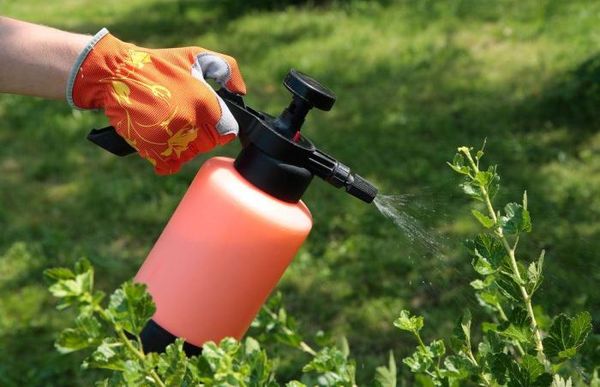
It is better to spray the plants on a fine evening of a windless day. You need to treat each leaf on both sides, each branch, and the ground under the bush. Young shoots should be treated most carefully; their flexibility will help—you can simply dip the shoot into a container with the liquid. To ensure the active ingredient remains on the leaves longer, add laundry soap to any of the infusions and solutions listed.
Prevention
Everyone already knows how to combat harmful aphids on currant bushes, but the question of how to prevent them from infesting your bushes is important. There are a number of measures that, if performed regularly, will reduce the risk of infestation. During annual pruning, remove all affected shoots—it's always better to be safe than sorry. Be sure to weed around the bushes, and thoroughly till the soil under and around them in the fall and spring.
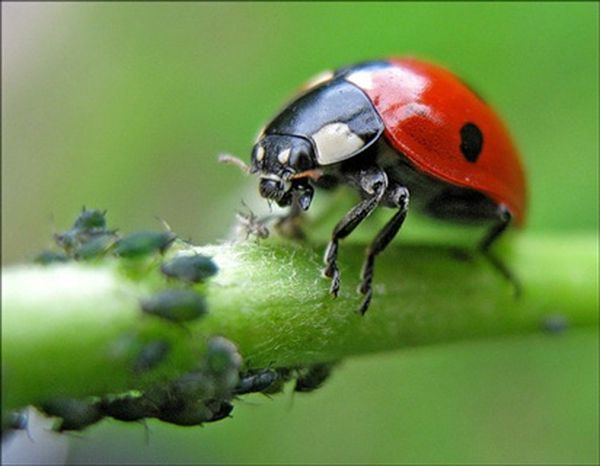
Ladybugs and lacewings are excellent at ridding gardens of aphids. If they live in the garden, aphids will never bother your plants, but the widespread use of broad-spectrum chemicals has reduced their presence to a minimum in summer cottages. To attract them, you can sow marigolds, yarrow, tansy, allisum, dill, and parsley among currant bushes. Ladybugs often live on buckwheat. However, you need to get rid of ants; otherwise, no matter what you do, they will constantly bring aphids into the garden.
As a preventative measure in early spring before bud break, bushes are scalded with very hot water. The ground around the bushes is also doused with boiling water, possibly even with a small amount of potassium permanganate. To keep ants away from the bushes, sticky rings of glue or double-sided tape are applied to the branches. Spring whitewashing of the trunks with lime also serves as an effective deterrent.
Bushes can be periodically dusted with crushed wood ash or tobacco. It's best to do this after rain to allow the dust to linger on the leaves longer. Carefully dust the undersides of the leaves and all young shoots.
Preventative methods are usually time-consuming, but they can really rid currants of aphids, and owners won't have to fight pests, risking their crops or even their health.
Video: "Aphid Control on Currants"
This video will show you how to get rid of aphids on currants.