
Currant moth: how to combat and prevent it
Content
Description
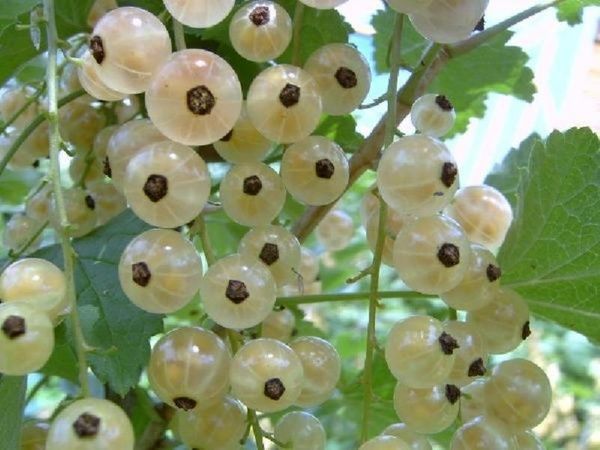
What does a currant moth look like, and how can it be controlled? If currant berries are turning red earlier than usual, and the prematurely ripened currants have small holes from which web threads extend to several neighboring berries, enveloping them and turning them into a cocoon, this is a sure sign of the presence of a small, green, black-headed caterpillar—a currant moth.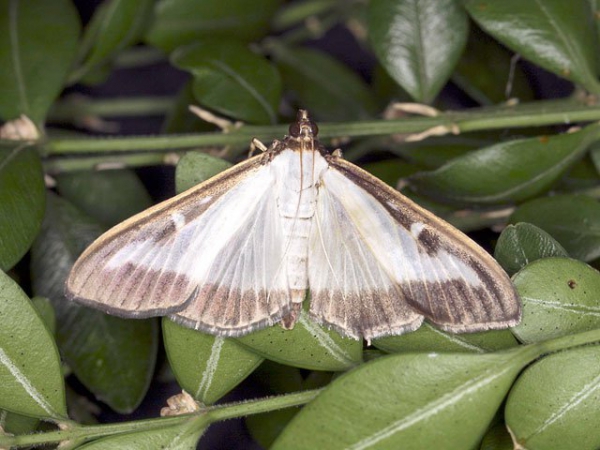
Gradually, more and more berries become involved, they begin to rot right on the branch, and if you don’t fight this insect, you can lose most of the harvest. The moth is small, up to 3 cm in size. Its upper wings are gray with light stripes and brown spots, while the lower wings are gray-brown with fringes.
Video: "Signs of Currant Moth"
This video will show you the first signs of the currant moth parasite.
Phases of development
To effectively control the pest, it's important to understand how this insect develops throughout the year. Currant moths overwinter as pupae, buried shallowly in the soil beneath currant bushes. In early spring, before flowering, the moths emerge from the pupae and, 5 to 7 days after emergence, lay eggs inside the flowers. The moth eggs are white and 0.75 mm in size. A week later, small, yellowish caterpillars, about 3 mm long and with a black head, hatch. A single moth can lay 200 eggs. The moth's aestivation period lasts 2 to 3 weeks. Each currant ovary can only contain one caterpillar; the others leave the flower in search of another. As the currant ovary develops, the caterpillars burrow into it, ruining the harvest.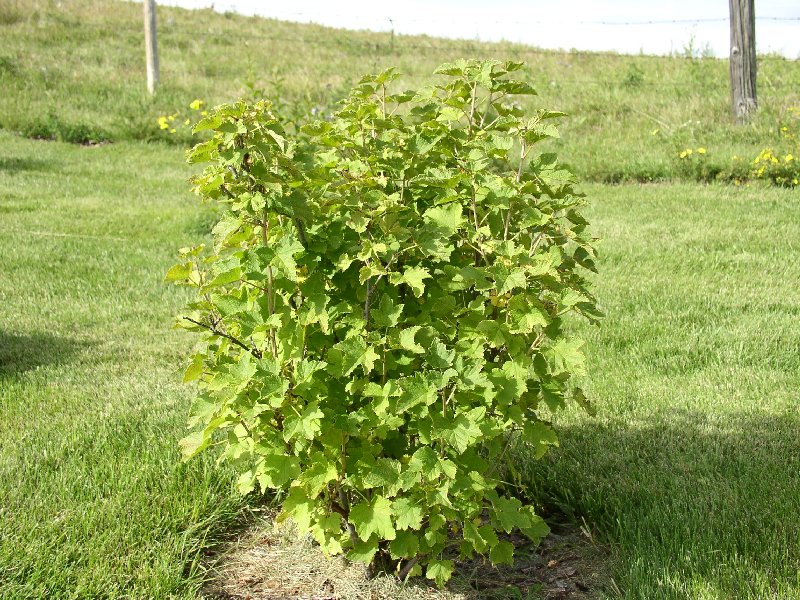
Each caterpillar can damage up to 15 currant berries. The lifespan of currant moth caterpillars on the bush is 22 to 30 days. Depending on the weather and temperature in the spring, the mass flight of currant moths coincides with the flowering of different currant varieties. In an early spring with high temperatures, early varieties suffer, while in a prolonged cold spell, late varieties suffer. The caterpillars feed on the contents of green berries, and after emptying them, 2 to 3 weeks before they are fully ripe, they descend on a web and return to the soil beneath the bush. There, at a depth of 3-4 cm, the moth forms a cocoon that hardens and becomes a pupa. The moth overwinters happily, only to emerge again in the spring.
Methods of protection
Now that we know the life cycle of this pest, we can actively combat it. If you mulch the bush in early spring, before the moths begin to fly, with a thick layer of compost, peat, or sawdust (12 cm), the moths will be unable to penetrate the thick mulch and will die. Instead of mulching, you can line the area under the bush with thick non-woven material or polyethylene. The moth will also be unable to get around this barrier and will die.
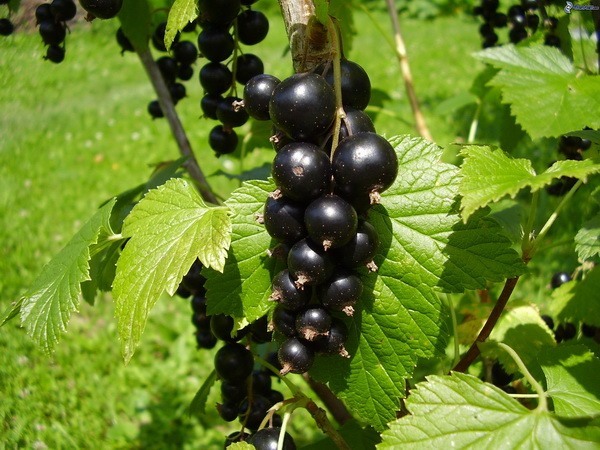
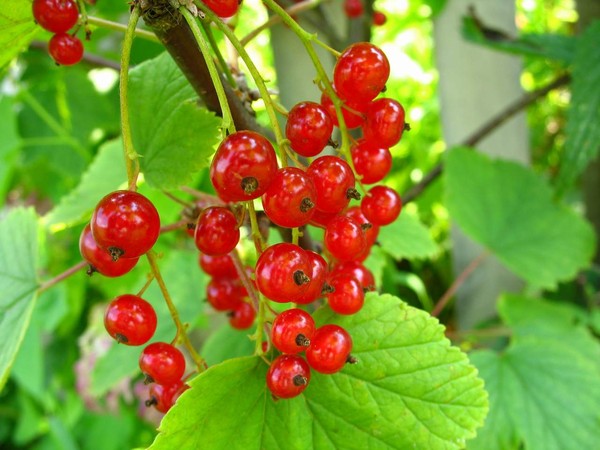
After flowering, the plastic is removed and the mulch is leveled. Deep earthing is also used: in the fall, the soil under the bush is dug up and earthed up to a depth of 6-12 cm, using soil from between the rows. The plant overwinters in this state until spring, and when flowering is complete, it is unearthed. These agricultural practices are very effective and help eliminate the vast majority of moths and pupae of the pest. It's also important to collect and destroy any berries infested by caterpillars.
Methods of control
You can combat the currant moth by spraying currant bushes with specialized products before and after flowering. After flowering, use Actellic, Fufanon, Kinmix, and Iskra M. Karbofos, Rovikurt, and Kilzar are also used for this purpose. The waiting period for all these products is 20 days. If spring is early and warm, then it is necessary to spray currant bushes with Kinmix and Iskra M before flowering. The caterpillar is especially susceptible to these treatments during the transition from one berry to another. 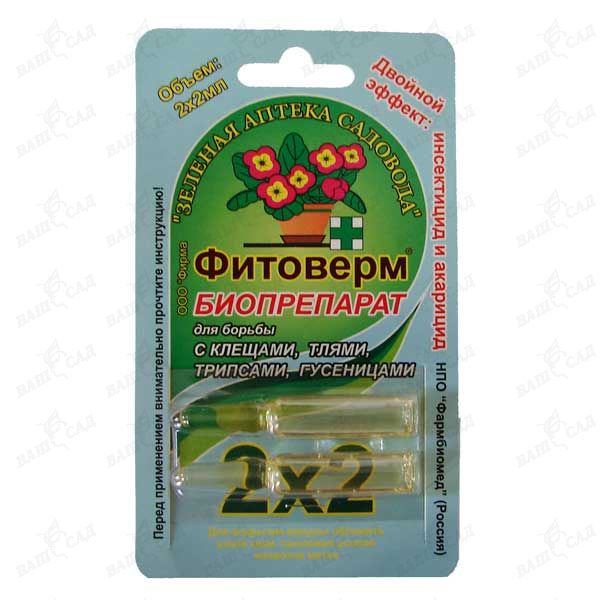 However, chemical treatments are not used during crop ripening. In this case, biological products are used: Fitoverm, Bitoxybacillin, and Lepidocide. The latter is used only for the smallest caterpillars and has a five-day waiting period. The other biological products have a two-day waiting period. Treatments against several pests can be combined.
In addition to chemical treatments for currants, there are also folk remedies for currant moth control that are also effective. These include spraying with pine extract or a tobacco and wormwood decoction, applying them every seven days during the flowering period.
During the berry ripening period, the bushes can be sprayed with an ash or mustard infusion. Plants should be treated only in the morning or evening. Following these rules will successfully combat pests, including the berry moth.
Video "Protecting Currants"
This video will show you how to protect currants from pests.