
How to combat mites on currants: proven methods
Content
How to identify a pest
Spider mites are considered the most common pest of currant bushes. They live in colonies of several hundred individuals, nesting on the underside of leaves and feeding on plant sap. The first signs of infestation are yellowish spots (bites) on the leaf blades. Later, the leaves become spotted, turn yellow, and dry out, weakening the bush. In severe cases, spider mites on currant bushes form multiple webs and nest there.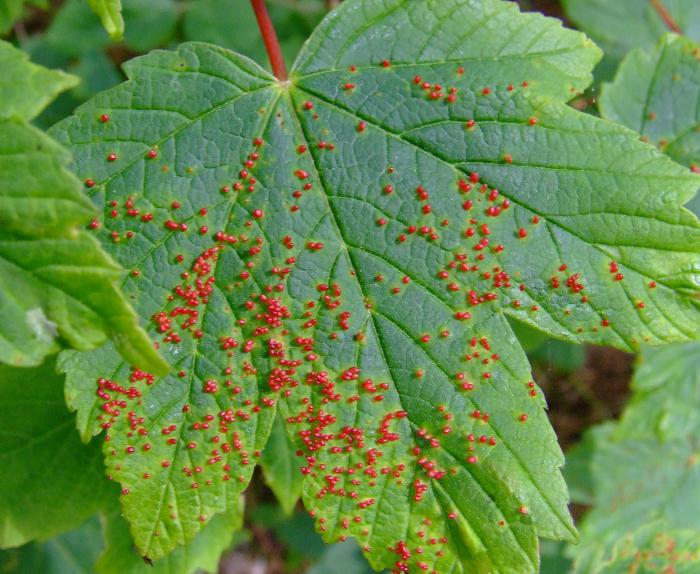
The microscopic bud mite inhabits currant buds. Its peak activity occurs in early spring, when females begin laying eggs. The tick reproduces very quickly: each bud can produce about 1,000 eggs, from which new insects are born within 3-4 days.
Infestation with kidney mites can be determined by the following signs:
- in winter and autumn – infected buds become rounded and increase in size;
- In the spring, diseased bushes may not produce shoots, and if they do, the leaves and inflorescences from such buds will appear deformed and defective; when the buds open, insects crawl out and begin to migrate, which can be noticed visually;
- In summer, diseased bushes look weak, shoots are crooked, leaves are deformed and turn yellow, berries fall off unripe.
Video: "Tick Control"
This video will show you how to combat mites on currants.
Methods of struggle
Control of bud mites should begin before the females have time to lay eggs—in early spring—and then continue throughout the season. Control measures can range from gentle to drastic, depending on the severity of the infestation.
Boiling water
Pouring boiling water over currant bushes in early spring helps destroy mite larvae before they reproduce, and also increases the plant's immunity to powdery mildew. 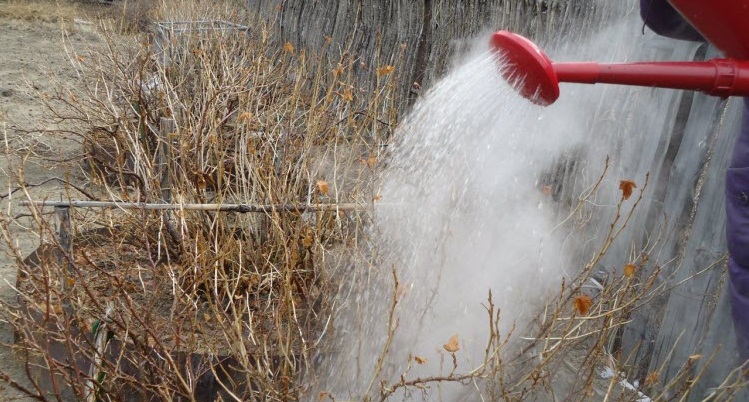 When carrying out the procedure, the following rules must be observed:
- to avoid harming the kidneys, use slightly cooled boiling water (90 °C);
- to make the procedure easier, the branches are tied at the top;
- a garden watering can is used for watering;
- The dousing is carried out only before the buds open - if time is missed, the next procedure can be carried out in the fall, after the leaves have fallen.
Manual removal
The mechanical removal method requires great patience and attention from the gardener, as it is necessary to inspect each bud and remove only the infected ones.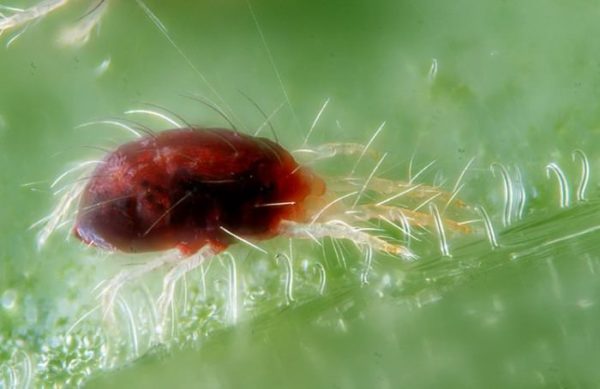 This procedure is carried out in early spring or fall. However, in spring, there is a high risk of removing young, healthy shoots, as each currant bud is swelling at this time. It is important not to miss any infected buds, otherwise the mites will spread again. Removed buds must be burned.
Sulfur chemicals
A more reliable way to get rid of bud mites on currants is with sulfur-containing chemicals. The most effective remedy is colloidal sulfur diluted at a ratio of 10 g per 10 liters of water, or a sulfur-lime solution. Bushes are treated with sulfur during and after flowering. It is recommended to spray only a portion of the bush initially, as sulfur-containing compounds can cause leaf burn on certain blackcurrant varieties.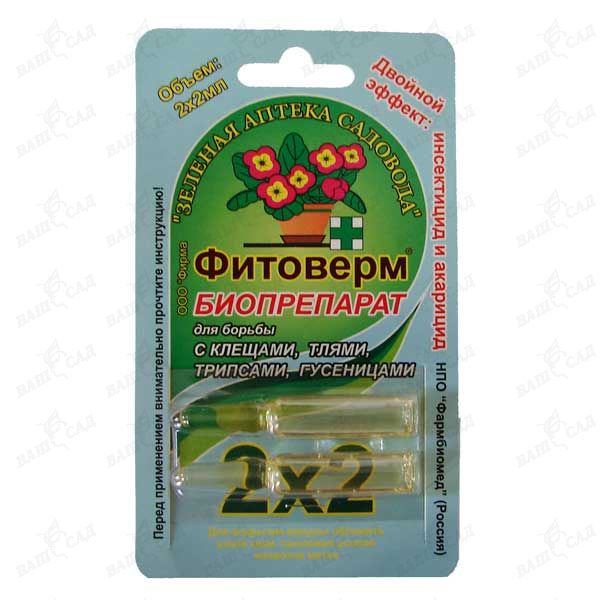
Acaricidal preparations such as Vermitek, Endidor, Nissoran, Apollo, and Actellic provide rapid suppression of mites. These should only be used before flowering, as they pose a significant risk to bees. After flowering, biological insecticides such as Fitoverm, Iskra, and Kleschevit are recommended.
Trimming
This drastic method is used when the bush is 30-40% infected. A plant infected to this extent is impossible to restore, so it should be pruned to the root and the diseased branches burned. 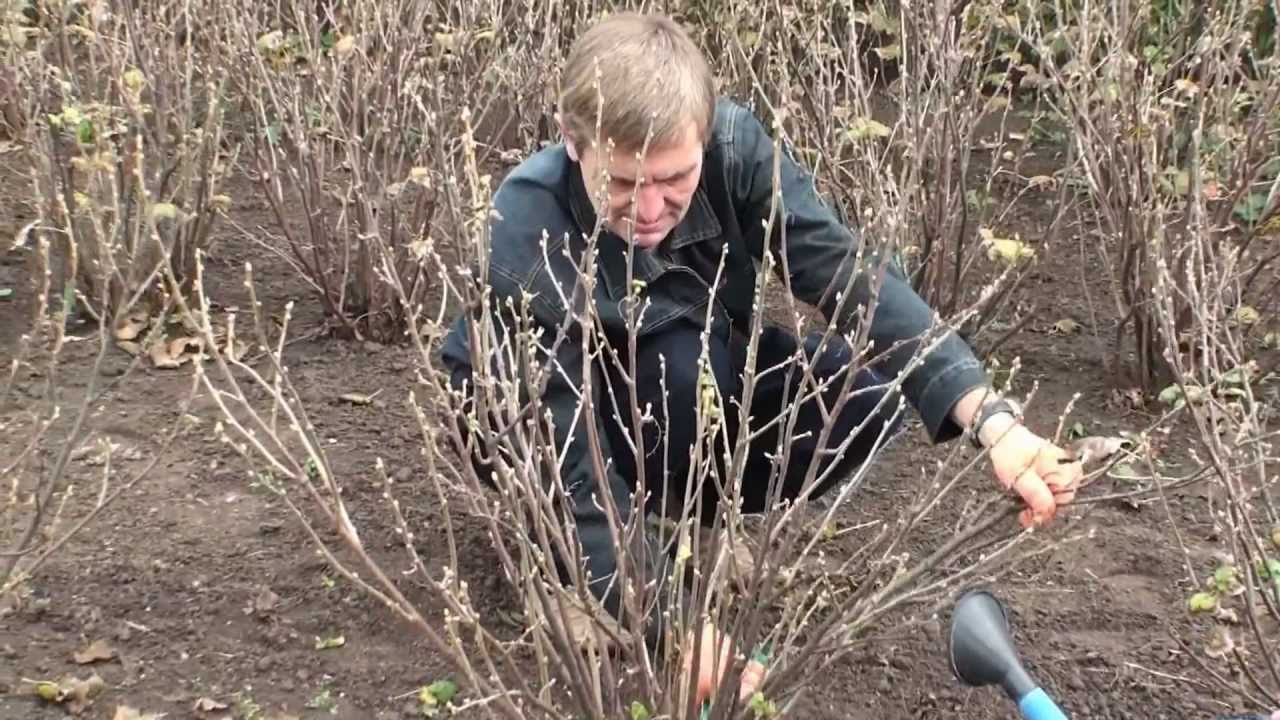 In summer, new healthy shoots will grow from the stumps, which should be thinned out, leaving the strongest ones. Bush rejuvenation is usually very effective. Old bushes over six years old are best completely uprooted, and after cultivating the soil, new seedlings can be planted in their place.
Folk methods
The appearance of bud mites on currants and how to combat them is a challenge for gardeners. But experienced gardeners know what to do, using folk remedies:
- garlic peel infusion - 150 g of raw material is poured into 10 liters of hot water and infused for 1 day;
- garlic infusion – prepared from 200 g of fresh garlic per the same (10 l) volume of water, infused for 2 hours;
- mustard infusion – 200 g powder/10 l water, leave for 12 hours, strain;
- Dandelion infusion - 200 g of root and 50 g of leaves are poured into 10 liters of warm water, infused for several hours, filtered before use.
-
Folk remedies are effective when the infestation is small. Spraying with infusions is done twice: during bud formation and after flowering.
Prevention
As we know, the best cure is prevention. The first thing to consider is the quality of the seedlings.
The buds of young plants or cuttings should not be compacted. Furthermore, each fall, fallen leaves and weeds should be collected from the ground, then burned, and the soil should be watered with boiling water or disinfectant solutions.
By exploiting the pests' weak spots, their population can be reduced by approximately half. For example, mites prefer dry, warm air, so sprinkling the bushes during hot weather is recommended. The pest also dislikes the smell of garlic, and if garlic is planted nearby, the mites will naturally abandon the currant plantings.
Video: "How to Treat Currants"
This video will show you how to treat currants in spring and autumn.