
Blackcurrant variety Emerald Necklace: features of agricultural technology
Content
Description of the variety
It's known that the blackcurrant variety known as "Emerald Necklace" developed as a distinct variety thanks to the efforts of breeders at the I.V. Michurin All-Russian Research Institute of Crop Breeding. It has only been in the State Register for a short time, since 2009.
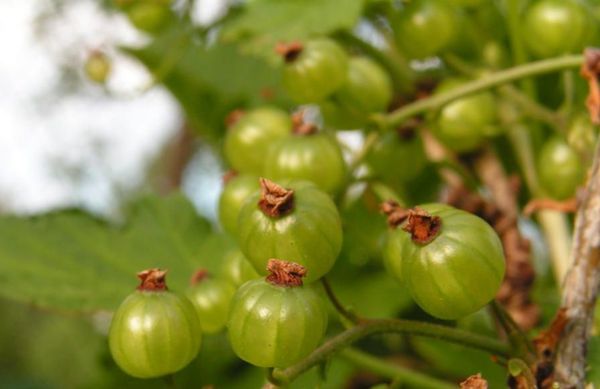
The variety's description distinguishes this cultivar from others. It grows as a medium-sized, spreading bush. The shoots are woody, thick, and have a characteristic gray color. The buds are somewhat reminiscent of an elongated medium-sized egg. The plant has five-fingered leaves, naturally soft and smooth to the touch. The teeth are doubly serrated and have a distinctive white tip.
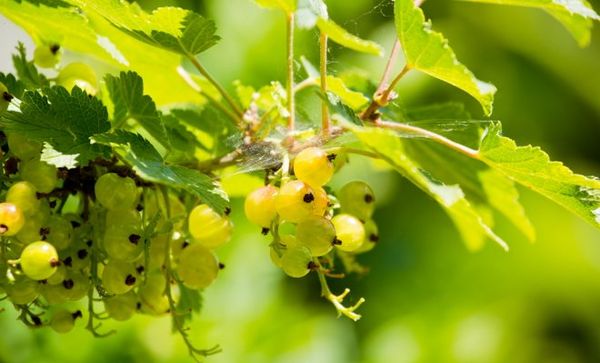
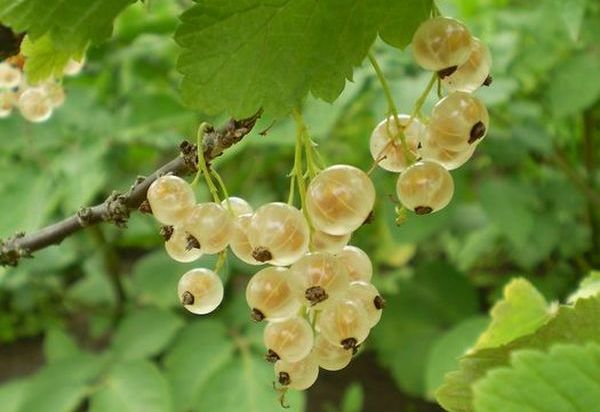
The flowers are goblet-shaped, with beautiful purple sepals. The racemes range from 6.5 to 10.2 cm in size and droop slightly. There is no petiole, and the rachis is quite thin. Large berries can weigh from 1.1 to 1.2 grams. They are round in shape and light yellow in color with a green tint.
The fruits have a medium number of seeds and are covered with a transparent skin. They have a sweet and sour taste and are of universal value. They contain 14.6% dry matter, 10.3% sugars, 158.0 mg per 100 grams of ascorbic acid, 406.0 mg per 100 grams of P-active substances, and approximately 1.7% pectin. The tetratary acidity level is approximately 3.2%. The green-fruited black currant "Oklechia" also has a yield of 9.6 tons per hectare, meaning each bush yields approximately 2.9 kg.
Features of planting and growing
The Emerald Necklace cultivar, described above, should be planted in a well-lit area. Blackcurrants should be planted along a fence, which will provide reliable protection from the wind. Ensure good drainage to prevent possible flooding of the bush, if there is a risk of this. Light, slightly podzolic, loamy, or sandy loam soil with a pH of 6 to 6.5 pH is ideal for planting currants.
When planting currant bushes, it's recommended to plant the seedlings no more than 5-10 cm deep in the soil. They should also be pruned by half or two-thirds. There's no need to cross-pollinate this crop. Each bush requires approximately 1-2 square meters of space in the plot. The distance between plants is typically up to 1.5 meters.
Fertilizers are required in the spring. When planting seedlings, be sure to add organic matter, such as humus or horse manure, and fertilizers with a high mineral content—70-80 grams of double superphosphate, 30-40 grams of potassium sulfate, and 100 grams of wood ash are suitable.
Watering frequency is 2-3 times per week. Each bush will require 1 bucket of water twice daily. Sufficient watering is especially important in July and August, when fruiting is at its peak. Mulching the area around the trunk will protect the plant from the harmful effects of frost and heavy winter snowfall. High-quality horse manure is commonly used for this purpose.
Pruning according to generally accepted standards allows for increased yield and berry size, and is a preventative measure against crop diseases. The branches of the seedling must be pruned at planting. It is recommended to prune by half to two-thirds. Pruning is typically done in April before budding or in late autumn after harvest. Branches older than five years and diseased shoots should be removed, cutting them off at the soil surface.
Branches growing near the ground with berries also need to be pruned. The bush needs to be thinned periodically. It is recommended to leave only young, upright, and viable shoots. Rejuvenation pruning involves removing old shoots every year. However, avoid removing too many. Ideally, the bush should have 15 branches of varying ages.
Advantages and disadvantages
Among the advantages of this variety, it's worth mentioning those for which it is prized by gardeners. These include excellent regeneration capacity, good winter hardiness, high self-fertility, strong immunity to powdery mildew and spider mites, and the potential for a bountiful harvest. Minor drawbacks include the medium-sized berries.
Beneficial properties
These wonderful berries contain provitamin A, vitamins B and P, as well as pectin, phosphoric acid, carotene, and essential oil, all beneficial for everyone's health. They even contain beneficial sugars. Malic, oxalic, and citric acids, fiber (helpful for normal bowel function), and vitamin E (promotes healthy skin, nails, and hair) are found in the berries in essential amounts.
Berries can help prevent heart problems, diabetes, and even cancer, and maintain visual acuity. They boost immunity and resistance to colds, and are essential for atherosclerosis.
To meet the body's daily requirement for ascorbic acid, a gardener only needs to eat about two dozen fresh berries daily. Due to its clear health benefits, more and more gardeners are choosing green currants for growing in their gardens.
Video: "How to Properly Prune Currant Bushes"
In this video, experts will explain how to properly prune currant bushes. If you want a good blackcurrant harvest, follow the advice of the Polar Experimental Station staff on caring for these bushes.