
Characteristics of the Dutch Pink currant variety
Description
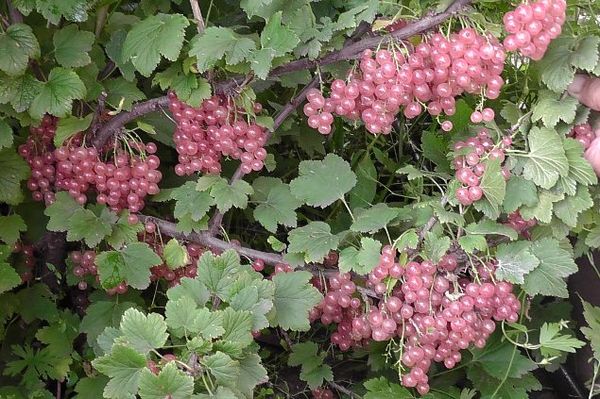
Pink currant is a Western European variety bred in Holland, but its origin is unknown. The bush is medium-sized with light green, medium-sized leaves. The shoots are medium-sized and strong. The bush itself grows up to one and a half meters tall, not too spreading. The clusters are 10-14 cm long. The berries are medium to large, weighing 0.5-1.1 g, but with proper care, they can reach up to 2.5 g. The fruits are pale pink, aromatic, and sweet. It's worth noting that pink currants are always sweeter than red currants. The berries are round.
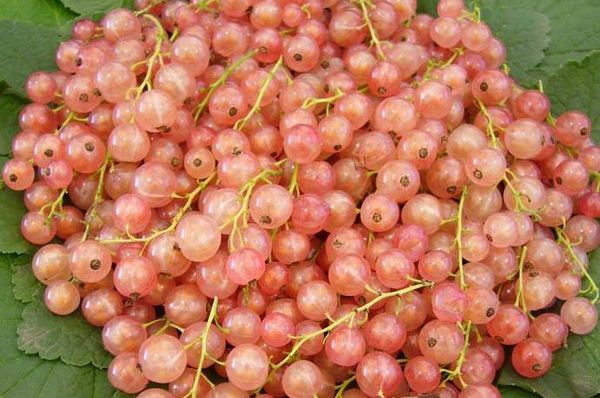
Dutch Pink Currant is relatively easy to grow. For optimal yield, the plant requires good care. It thrives in sun and partial shade. Plant in fresh, fertile soil. For a high yield, it's best grown in moist soil.
The variety's advantages include high frost resistance during the cold season. It can tolerate fairly low temperatures under snow, but spring frosts are detrimental to the plant.
The berries are primarily eaten fresh. They are also used to make kissels, compotes, syrups, jams, and jellies. Pink currants are rich in vitamin C, making them a valuable medicinal plant. It's worth noting that the berries' pink color is lost during processing.
Disease resistance
A particular advantage of this currant variety is its high resistance to diseases and pests. However, some agronomists note that the berry is susceptible to anthracnose, a fungal disease. Anthracnose causes brown spots to appear on the plant's leaves. Fungal spores overwinter on fallen leaves and are spread by water. The disease spreads more rapidly in rainy weather.
Furthermore, pink currants are susceptible to gall aphids. These 2.2 mm long pests form colonies on the undersides of leaves. Cherry-colored, yellow, and dark red swellings and bumps called galls appear on damaged areas. The primary disease control method is prevention, including weeding, removing damaged shoots, and scalding the bush with boiling water in the spring.
Productivity
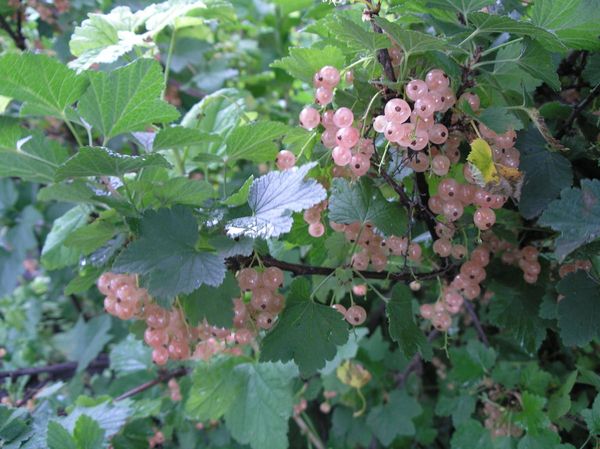
This currant variety ripens mid- to late-season. The harvest is in mid- to late July. The berries stay fresh for almost the entire month of September. The Dutch Pink red currant stands out from its peers with its high yield. Timely watering, fertilizing, and weeding yield good results—from 5 to 9 kg of fruit per bush.
Video: "Caring for Currants"
This video will teach you how to properly care for currants.