
A productive and healthy currant berry of the Gamma variety
Content
Description
Gamma is a mid-late variety developed by crossing the Exotica currant and the 762-5-82 seedling. In 2007, this berry variety was included in the register, which recommends cultivation in the Central Black Earth Region.
The description of the Gamma currant variety describes the plant as medium-sized, dense, and compact. Young shoots are upright and matte. Woody branches have a gray tint. Medium-sized, conical buds form on the shoots. They are pinkish in color and arranged alternately.
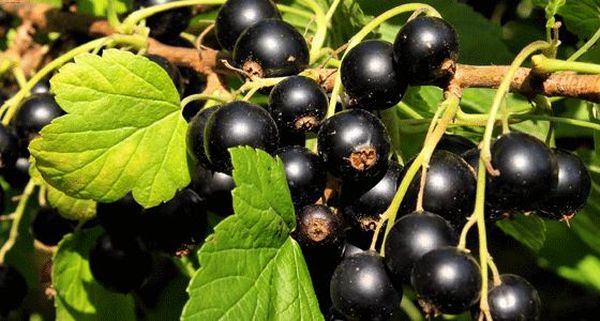
The plant's leaf consists of five medium-sized lobes. The leaf itself is green, small, and matte in texture. A small notch is located at the base of the leaf. The teeth are small, wide, and curved. The petioles are long and pubescent.
The flowers of this variety are pale, with medium-sized, richly colored sepals. The raceme is dense and pubescent.
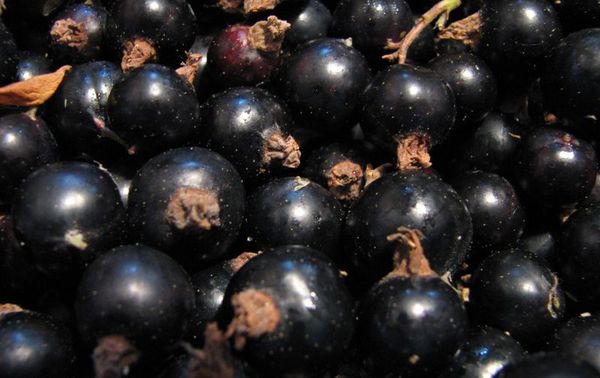
The Gamma variety of currant produces medium-sized, round berries. Its fruits are shiny black and have a medium-thick skin. The fruit is harvested dry. The Gamma variety produces a sweet and sour flavor. The berries are versatile: eaten fresh or made into jam or preserves.
The berry harvest can be done either by hand or mechanically. On average, a bush produces about 1.2 kg of berries.
Soil for growing
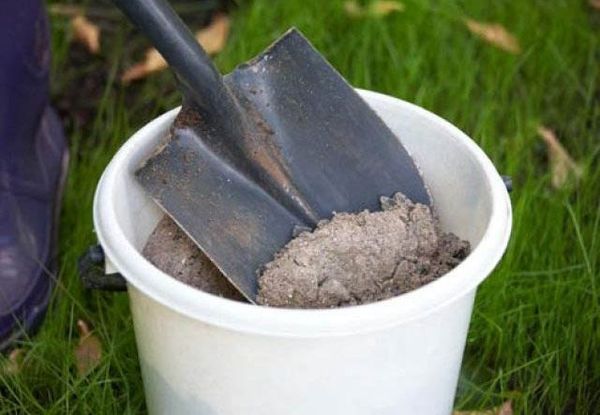
Growing blackcurrants is a simple process. The crop is undemanding regarding soil composition and fertility. However, to produce a bountiful harvest of berries, the plant must be grown in moisture-rich soils. Light loam or sandy loam soils are best.
Care Features
Caring for this currant variety is not significantly different from caring for other berry plants. Blackcurrants of the Gamma variety require regular watering. This is especially important during the fruiting period. If there is insufficient moisture, the berries will become smaller and bitter.
As for fertilizing, it's usually applied in spring, summer (before and during fruiting), and late fall. It's best to use complex liquid fertilizers for shrubs. Carefully inspect the plants in your area. Their appearance will help you determine what they're lacking. Timely application of nitrogen, potassium, or phosphorus will have a beneficial effect on the plants.
In the fall and spring, the bush needs pruning. Dead or damaged branches are usually removed. For the winter, the pruned bush is wrapped in non-woven material.
Disease resistance
The Gamma currant's characteristics make it self-fertile. It is also resistant to powdery mildew, columnar rust, and bud mite. However, it can be susceptible to anthracnose and septoria leaf spot.
Advantages of the variety
The Gamma currant has a number of advantages and disadvantages. Its advantages include resistance to diseases such as powdery mildew and columnar rust, resistance to bud mites, and consistently abundant yields.
The disadvantages of the variety include the lack of immunity to anthracnose and septoria.
Gamma is a currant variety with several advantages over other varieties. It's relatively easy to grow, and the yield is abundant and delicious.
Video: "Rules for Planting Blackcurrant Seedlings"
This video will teach you the basic rules for planting blackcurrant seedlings.