
Winter-hardy and productive currant variety Black Pearl
Content
Characteristic
Blackcurrants are prized for their nutritional properties, but only early-ripening varieties can thrive in short summers, so breeders are working hard to achieve this. The "Black Pearl" variety is not only early-ripening, but also self-fertile and winter-hardy, easily surviving temperatures as low as -30 degrees Celsius.
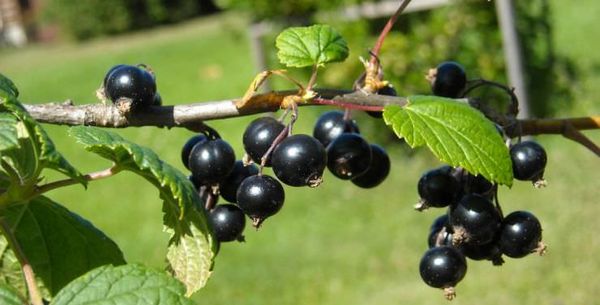
This spreading, sparsely foliated shrub grows to a height of 1–1.3 m. Its young shoots are curved and light green. As they mature, the branches become geniculate and take on a gray-yellow color. The light green, five-lobed leaflets are always bent toward the ground, even the edges curled downward. The leaf blades are matte and smooth, with pointed edges. The elongated buds, covered with pink scales, grow off the shoots themselves, on short stems.
This currant produces medium-sized, goblet-shaped flowers with reddish sepals. The flowers, and later the fruits, are arranged on single racemes of 5 to 8, attached to a central axis by short, strong petioles.
The berries are round, almost uniform, with an average weight of 1.2–1.5 g, and their thick skin conceals large seeds. Black, like the pearl that gives the variety its name, the dry-separated berries are rich in sugars, ascorbic acid, and pectin, and have a sweet-and-sour taste. The small berries and predominantly acidic flavor are disliked by some, but these fruits have a long shelf life, are easy to transport, and can be eaten fresh or used as a raw material for desserts, wine, and winter vitamin preserves. A single bush yields 4–5 kg.
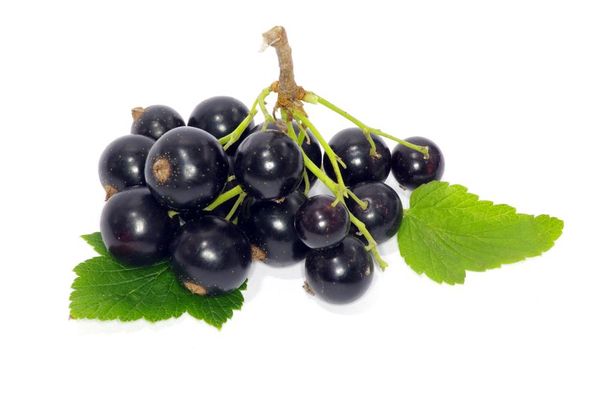
This variety is characterized by hardiness, a good, regular harvest, winter hardiness, and early fruiting. The bushes bloom in May, and ripe fruit is already produced by July. The variety is resistant to anthracnose and bud mites, but can be affected by powdery mildew and terry leaf mold.
Secrets of agricultural technology
You can plant the Black Pearl in your garden in the fall or spring. If you plant a two-year-old seedling in September or October, while it's still warm and the temperature doesn't drop below 10 degrees Celsius, the plant will have time to establish itself in its new location and even produce its first berries the following year. If planted in the spring, the bush will grow and gain strength throughout the first year, and while it won't produce a huge harvest, it can yield over 2 kg the following year.
When purchasing a seedling, carefully inspect it – its roots should be well-developed, healthy, and free of mechanical damage or dried-out parts. Select green shoots with live, healthy buds (at least 4-5 from the base of the shoot). Plant the bushes one and a half to two meters apart or from other larger plants. Currants prefer sunny, open areas, but it's advisable to protect them from strong winds. Spreading bushes should not interfere with each other, creating shade or robbing the soil of nutrients.
This variety isn't picky about soil, but thrives in well-drained, nutritious, slightly acidic soil. It doesn't like shade or lack of moisture; the plant will grow normally or slightly slower, but the fruit will be smaller and more sour.
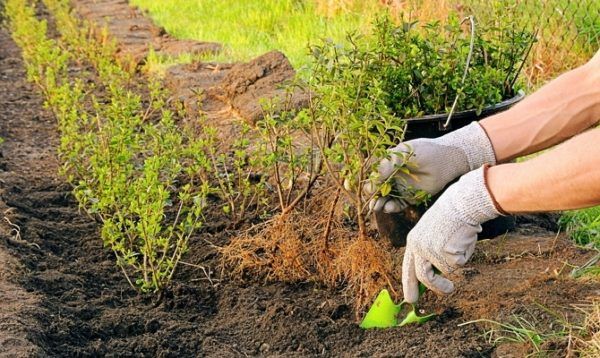
It is advisable to clear the planting area in advance (one to two months) of weeds, especially perennial grasses, dig it up to a depth of half a meter, add humus or compost (a bucket per square meter or per bush), superphosphate (40–50 g), and some kind of potassium fertilizer (20 g). If the soil is heavy, you can add sand and peat to make it more permeable to water and air. Currants thrive on moisture but will become diseased if water stagnates near the roots. For spring planting, prepare the site in the fall.
Just before planting, soak the seedling's roots in water for several hours. Prepare a hole 40-50 cm deep and wide, fill the bottom with fertile soil, add a little water, lower the roots, add more soil, compact it around the bush, and then water thoroughly (1.5-2 buckets). After watering and the soil has settled, the root collar should be 5 cm below ground level. It's a good idea to mulch the area around the bush with peat or compost, or simply use sawdust or hay—this will help retain moisture longer, giving the plant more time to adapt to its new location. After planting, prune the shoots back to four buds.
Further care consists of weeding, loosening the soil, pruning, fertilizing, and watering as needed. Weeding is essential, or rather, simply preventing weeds from appearing around the currant bush. Tilling should be done sparingly and carefully, so as not to damage the roots. If you mulch the area around the bush occasionally, weeding and tilling will be unnecessary. Watering should be done periodically, even if there's no rain at all; the bush should receive ample water during flowering, fruit formation, and ripening. And before the cold weather sets in, prepare the plant for winter by giving it plenty of water—2-3 buckets per bush if the autumn is dry.
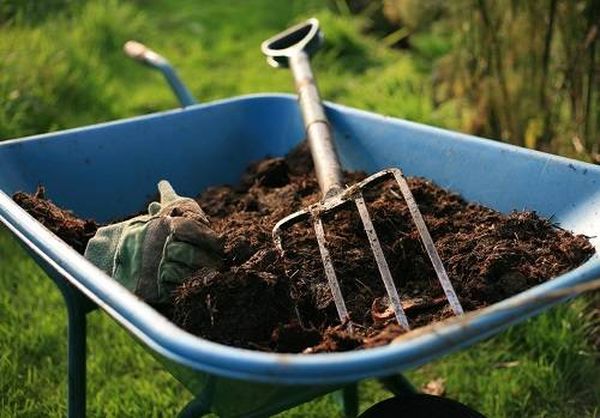
Fertilizing is possible even if the soil is not very fertile. Currants respond well to watering with a highly diluted infusion of chicken manure or cow dung. If you mulch the soil around the bush with humus or compost, there's no need to fertilize separately with organic matter—the plants will receive a dose of fertilizer after every rain or watering. During berry set and later, you can feed them with phosphorus and potassium by diluting superphosphate and potassium sulfate in water.
If the soil was well fertilized before planting, then after three to four years, you can begin regularly applying urea in the spring, and superphosphate and potassium in the fall. If the soil is infertile and wasn't specifically fertilized before planting, then such fertilizers should be applied starting in the second year of growth.
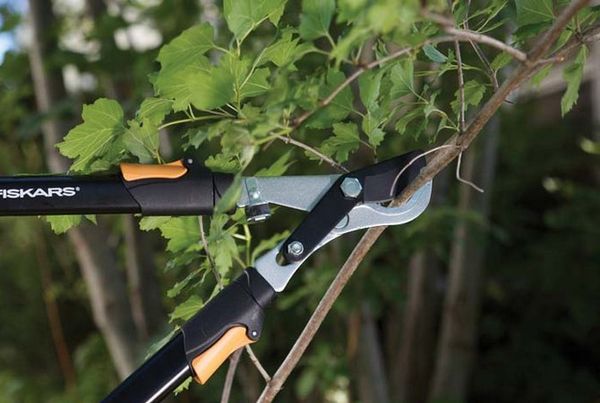
Pruning should be done regularly to shape the bush and maintain its fertility. Immediately after planting, shoots are shortened to three buds. In the fall, all shoots are shortened by a third, and weak or diseased shoots are completely cut out and burned. The following fall, the same is done with the previous year's branches, and a few of the strongest new shoots are retained and also slightly shortened.
In the fifth year, all four-year-old shoots are removed, leaving three to four shoots of different ages. An ideal bush should consist of shoots from the first, second, and third years, with older shoots being removed annually. If four-year-old shoots still bear fruit, they are smaller and fewer in number than those on younger branches. This annual rejuvenation of the bush promotes a higher-quality harvest and extends the life of the bush. In addition to these prunings, damaged, weakened, diseased, or pest-infested branches should be removed at any time.
Fruiting
"Black Pearl" is known for its regular harvests once the bush reaches maturity—in the fifth or sixth year and thereafter, each bush yields 4-5 kg of dense, black, sweet-tart, aromatic, and highly nutritious berries. They are versatile, easy to transport, and store well. If you plant a new bush in the fall, you can sample the berries the following summer, even if they're small. Within a year, the harvest can exceed 2 kg of berries. Proper farming practices, timely watering, and fertilizing will ensure a high-quality harvest.
Resistance to diseases and pests
Currants aren't typically susceptible to pest attacks, but there are still some insects they need to be protected from. "Black Pearl" is resistant to bud mites, but spider mites may try to colonize its fragrant leaves and suck their juices.
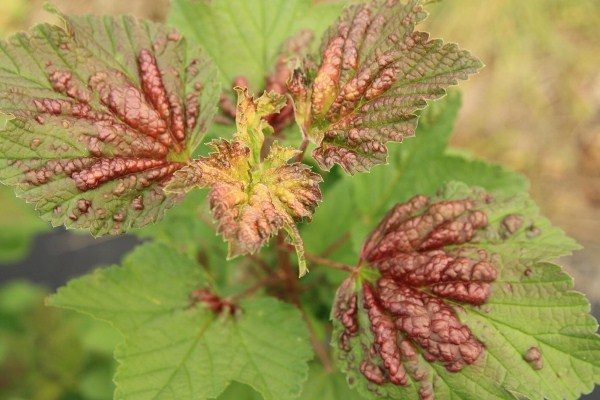
Gooseberry moths, sawflies, aphids, and currant glassworms will all happily live and feed on currant bushes if allowed to do so. To reduce the likelihood of pests appearing, carefully and deeply dig the soil between the bushes, water the soil with hot water and potassium permanganate in the spring, and sprinkle the soil with wood ash and mustard powder.
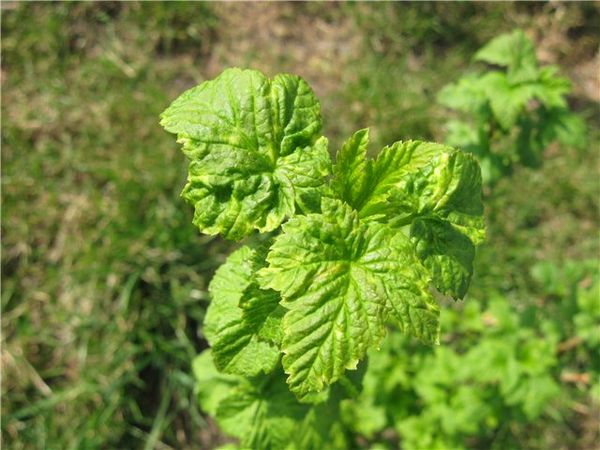
Products such as Fitoverm, Karbofos, Dichlorvos, and similar products can help combat established pests. However, these strong toxins can only be applied to plants before flowering or after harvest.
This variety is relatively immune to anthracnose, but powdery mildew and other fungal diseases may occur. These can be controlled with copper sulfate. Well-maintained, strong plants are rarely affected by diseases; the best prevention is proper care.
Video "Secrets of Currant Fertility"
This video will teach you some interesting and useful secrets about the fertility of this healthy berry.