
Venus blackcurrant variety, fearless to heat and frost
Content
Brief description
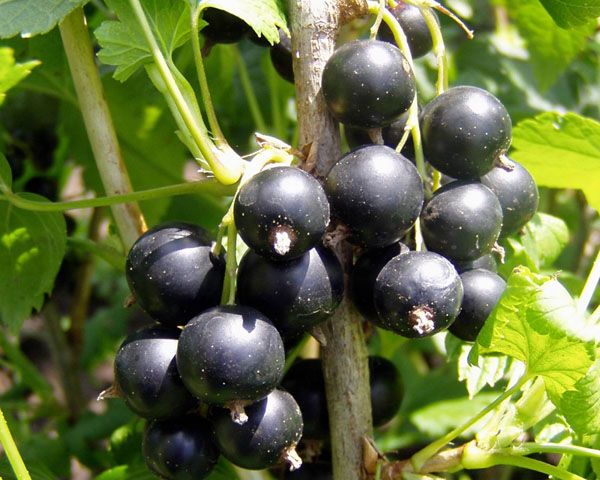
The variety's description is unmistakable. Externally, Venus currants are almost identical black berries weighing approximately 3.5 grams (some weigh as much as 5 grams). The dessert flavor of this currant is unique and inimitable. The berries are juicy and sweet, with a thin skin, similar to golden currants. The berries also boast a surprisingly high vitamin C content—95%. The berries are picked dry from the bush, but the thin skin makes transporting the harvest difficult. Venus currants have a distinct aroma, immediately conveying the berry's flavor. Even if fully ripe, they can remain on the branch for several days without falling off.
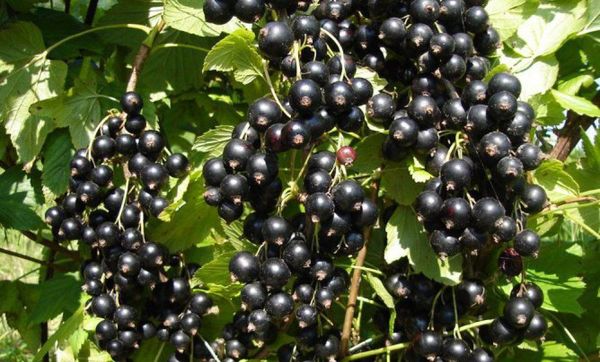
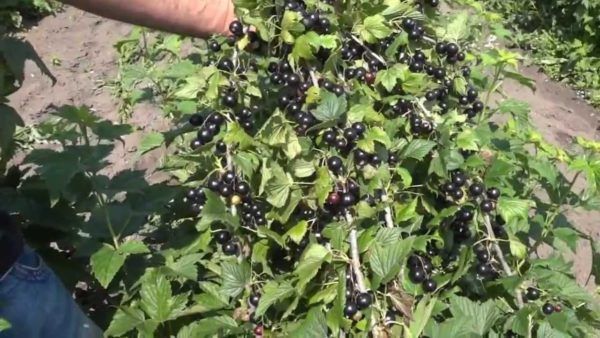
Unlike golden currants, these bushes are rather sparse, but produce abundant fruit. The leaves are medium-sized, green, and not very glossy. They are distinguished by sharp, claw-like teeth on the edges. The currants bloom light pink, and the flowers are small. In addition to being frost-resistant and producing well with little water and low humidity, the bushes are resistant to the most common diseases. They are somewhat resistant to bud mites and septoria.
Region of origin
To create the blackcurrant variety Venus, scientists crossed the Finnish Bredtorp with the Siberian Seyans Golubka. Bushes of the new variety quickly spread throughout Russia, then to Belarus and the Baltic states. Other countries with variable climates also began growing Venus, as it is unpretentious and can survive without losing its properties in any weather. Even in temperatures as low as -37°C, it does not need to be covered to maintain its fruiting capacity.
Planting and care
Choosing a location for currants is easy. They need fertile soil, not marshy, slightly acidic, well-moistened, but with a small amount of groundwater. The location can be either sunny or shaded, as Venus grows well in the shade.
Planting can be done in either spring or fall, but remember that bushes planted in the fall take root much better. The optimal time for planting is September. Soil preparation should begin in August. At this time, fertilize the soil to increase fertility. To do this, you'll need rotted manure, calculated at 3-4 kg per 1 square meter of soil, plus 2 tablespoons of superphosphate and 1 tablespoon of potassium sulfate.
Planting holes should be prepared at the same time. They should be about 1/2 meter deep and approximately the same diameter. Fill the hole with a mixture of two buckets of peat or humus mixed with topsoil. Also add 250-300 g of ash, 1 tablespoon of superphosphate, and 2 tablespoons of potassium sulfate. Pour this mixture into the hole, cover with a thin layer of clean, fertile soil, and fill with several buckets of water. Leave the holes for a week before planting the currants.
To ensure the bush can root properly, its root collar should be buried about 6-7 cm deep into the soil—this will ensure a secure hold. When planting, ensure the roots are spread out and firmly covered. To achieve this, water and compact the soil layer as you plant it.
Immediately after planting, the soil around the bush should be thoroughly sprinkled with dry peat. Immediately after planting, the first pruning of the bushes should be carried out, removing thin, weak shoots and shortening thick shoots to four buds.
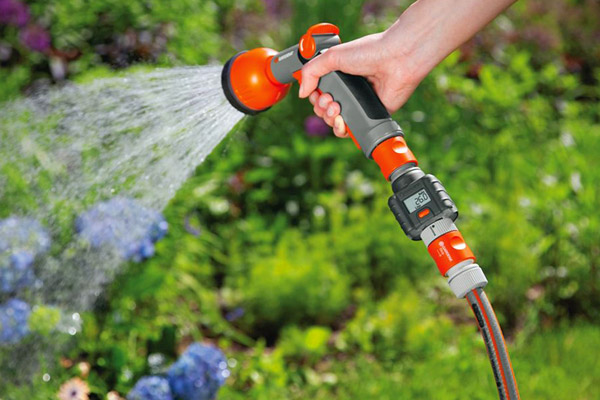
During the first two years after planting, it's necessary to regularly weed, loosen, and water the soil beneath the bush. Although Venus is drought-resistant, it needs to be watered about 3-4 times a year: starting in June and ending in early September. Apply about 2-3 buckets of water at a time to ensure adequate nutrition and moisture.
Just one year after planting, the Venus currant bush begins to bear fruit. Once fruiting begins, it's time to fertilize the bush. Organic fertilizers are excellent for spring. In the fall, fertilize after harvest, using phosphorus and potassium.
Don't forget about shaping the bush, as if it becomes too dense, the blackcurrant yield decreases. A mature plant should have no more than 15 branches. After seven years, you can begin rejuvenating pruning. Weak and diseased branches and shoots should be removed every fall.
Diseases and pests
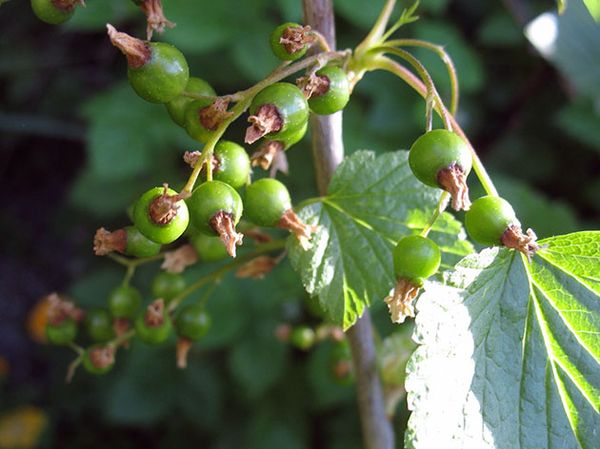
Venus is almost never susceptible to diseases such as rust, powdery mildew, or anthracnose, but can still be affected by bud mite or septoria leaf spot. The latter is a fungal disease characterized by the formation of white spots with a brown border on the leaves. In later stages, black spots develop, the leaves dry out, and drop off. This disease won't harm your currant if you regularly remove and burn damaged leaves, then treat the bush with a copper sulfate solution.
You can spray the bushes with a 1% Bordeaux mixture four times per season. This should be done before and after flowering, two weeks later, and after harvesting. To protect your currants from possible septoria leaf spot, remember to regularly feed the plant with mineral fertilizers and regularly treat the soil around it and the leaves with a solution of manganese sulfate (not concentrated).
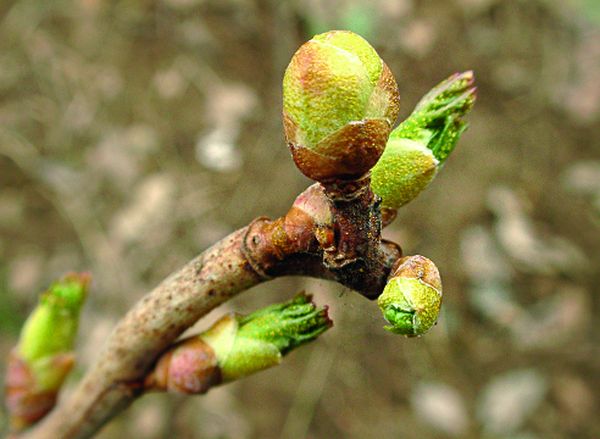
Currant bud mites are easy to spot. As they feed on the plant's buds, they swell, and small, light-colored leaves appear on the shoots. To cure the currants, all damaged shoots must be destroyed. To prevent mites from appearing, plant several rows of garlic near the bushes. A good preventative measure is to spray the currants at the beginning of flowering with a garlic solution: 150 grams per bucket of clean, warm water.
Without a doubt, this currant variety is an excellent plant for both business and personal consumption. By planting these bushes at home, you'll get a year's supply of vitamin C in the form of sweet, aromatic black berries that are incomparable to any other.
Venus's main advantage is its resistance to various weather conditions, which is why it has gained recognition around the world. This currant is easy to care for and produces a bountiful harvest.
Naturally, it has its drawbacks, the main one being minimal resistance to bud mites and septoria, but by following simple tips and rules, you will enjoy blackcurrant fruits for many years.
Video: "Beneficial Properties of Black Currants"
From this video you will learn about all the beneficial properties of black currant.