
Tasty and sweet black currant of the Valovaya variety
Content
Description
The Valovaya currant variety was developed in 1998 by breeders at the All-Russian Scientific Research Institute of Fruit Growing (VSTISP) with the participation of the Bashkir Research Institute of Agriculture. This hybrid was created using productive varieties such as Khludovskaya and Bredtorp, from which the Valovaya variety inherited its best varietal characteristics. In terms of ripening time, this currant is classified as mid-early or early, depending on climate and weather conditions. Its fruits reach harvestable maturity 35-40 days after flowering. In mild southern or temperate climates, this occurs in late June, while in cooler regions (the Urals and Siberia), the berries can be harvested no earlier than the first ten days of July.
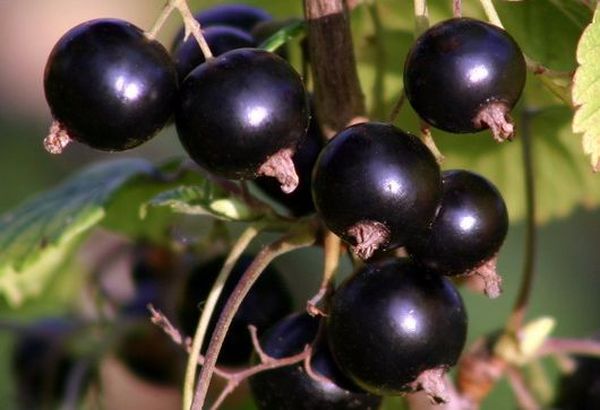
The "Valovaya" currant bush grows not very dense, is medium-height, but is quite spreading (up to 2 m in diameter). The shoots are strong, flexible, and green when young, not pubescent; when woody, they are brown, with smooth bark. The leaves are medium-sized, dark green above, grayish and slightly pubescent below. The currant blooms in mid-May with large, saucer-shaped flowers of a greenish color with a pink corolla.
The berries are large and uniform, averaging about 2 grams in weight, gathered in long clusters of 8-12 berries. The skin is thin, shiny, and a deep black color. The flesh is tender, with a small number of seeds, and has a dessert-like flavor with a subtle tartness and a distinct currant aroma. The berries are versatile in their uses.
The variety produces consistently high yields—up to 4 kg per bush. Three- and four-year-old shoots are particularly productive. The lifespan of a bush is over 20 years. Peak yield occurs in the fourth to fifth year of the plant's lifespan, after which the number of berries gradually decreases each year, although overall, the harvest remains abundant for many years. The "Valovaya" currant variety is undemanding. The bushes tolerate winter cold and summer heat well and are disease-resistant.
Caring for the variety
This variety is characterized by early fruiting, but to enjoy the first berries the following year after planting, the seedlings require thorough care. First and foremost, ensure the garden bed is clean. The soil around the bushes should always be loose and free of weeds, as weeds not only hinder the seedlings' development but also carry diseases and pests.
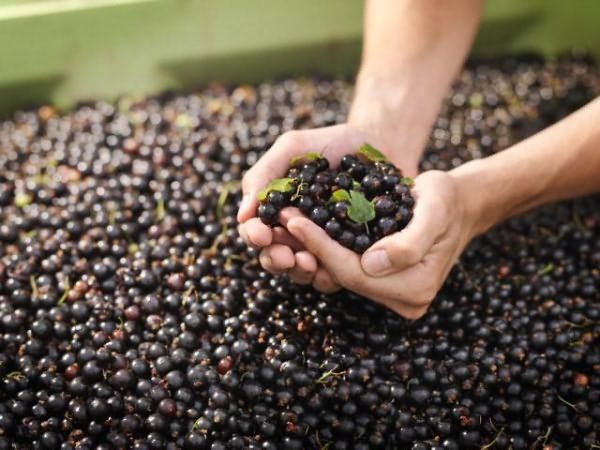
'Valovaya' has good immunity to diseases, but the same cannot be said for pests. Thickened buds on shoots indicate bud mite infestation, curling and deformed leaves indicate spider mites or aphids, and twisted shoots indicate glassworms infesting the core of the branches.
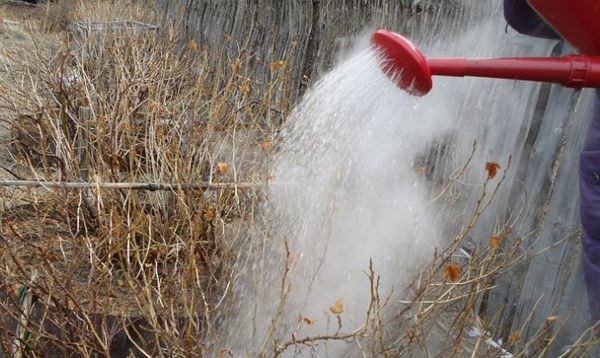
There's one proven remedy for all these problems: boiling water. Dousing currant bushes with hot water (80°C) in early spring kills all microbes and pest larvae, and increases the plants' resistance to various external factors.
Also, for preventative purposes, you can treat the bushes with Bordeaux mixture, Akarin or Neoron in early spring and before flowering.
Of course, currants require watering and fertilizing for normal development. First-year seedlings should be watered regularly as the soil dries out until they are fully established. Mature bushes are watered three times per season, more frequently during periods of unusual drought.
Fertilizer application should be judicious and measured. No additional feeding is necessary in the first year after planting. Starting in the second year, mineral fertilizers can be applied: nitrogen in early spring, and potassium, phosphorus, and micronutrients during fruiting and before winter. Organic fertilizer should be applied to the soil no more than once every three years, but mulching the tree trunks with peat or dry humus in the fall is highly recommended.
Landing
As already noted, this currant variety is undemanding regarding soil. While it's best to plant the seedlings in a sunny spot in good, fertile soil, it will also produce an excellent harvest in less nutrient-rich soils such as sandy, clayey, or loamy soils. Location isn't crucial either—the bush produces fruit well in partial shade, often in close proximity to other plants.
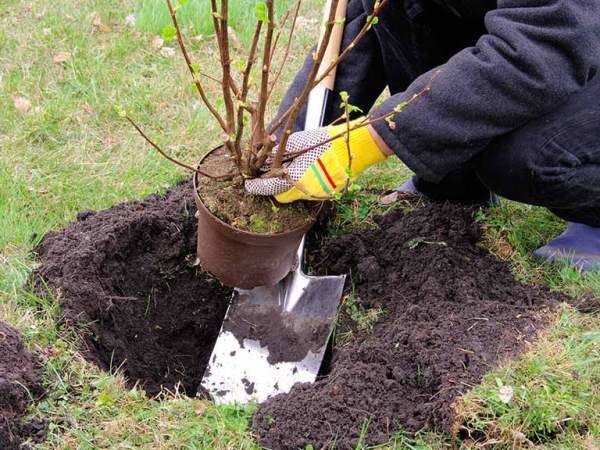
When preparing planting holes, keep in mind that the bush grows spreading and voluminous, so seedlings should be spaced no more than 2 meters apart. The planting hole should be at least 0.5 meters wide and deep. If the soil is not very fertile, fertilizer should be added directly to the holes. Add a bucket of compost, two handfuls of superphosphate and ash, and a handful of potassium fertilizer to the bottom of each hole (all ingredients mixed together).
Planting can be done in spring or fall, in mid-September. Before planting, pour a bucket of water into the bottom of the hole. Once the water has been absorbed, plant the seedling so that the root collar is slightly buried – 4-5 cm. After planting, water the bush thoroughly, and to retain water in the root zone, build a small border around the bush. If desired, cover the area around the trunk with a light layer of mulch.
Reproduction
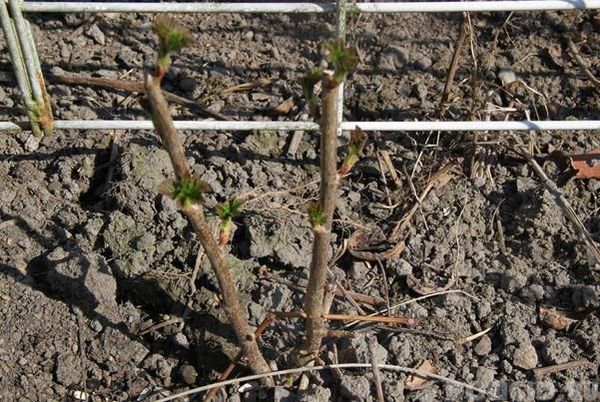
There are several ways to propagate the "Valovaya" currant: by cuttings, division, and layering. The latter method is considered the easiest and most productive for this variety. Since the currant bush is very spreading, in the summer, during the peak growing season, the lower branch should be simply pinned to the ground and secured. After a while (by fall), it will take root, and the following spring, the young sapling can be separated from the bush and transplanted to its permanent location.
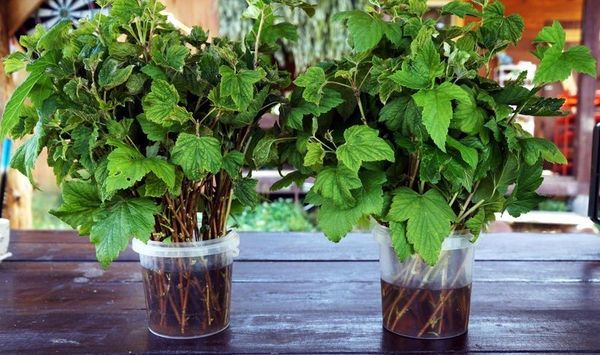
This variety takes root very well, so the success of the project is guaranteed. However, most often, the layers form spontaneously. "Valovaya" currant bushes have a very developed and equally spreading root system (up to 1.5 m). Every year during the summer, new shoots form from the roots, which can be seen around the bush. All the gardener has to do is carefully separate them from the mother plant and replant them in the desired location.
Trimming
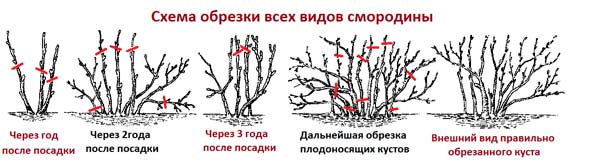
The Valovaya currant is a long-lived variety—the bushes live and bear fruit for up to 25 years, but to achieve this, they require regular rejuvenation. This variety develops its bush during its first five years, during which time all shoots should be removed each spring, leaving only the four or five strongest and healthiest.
Starting from the sixth year, it is necessary to remove all old shoots (over 5 years old), leaving the same number of new ones that formed in the current year.
In addition, spring pruning includes shortening the tops of fruiting branches by 10-15 cm - this procedure promotes the formation of a greater number of lateral shoots and increases the density of flower clusters.
It's also important to remember that lower branches often lie on the ground, which not only spoils the berries but also increases the risk of disease. Therefore, all lower shoots and mature branches should be ruthlessly removed. The same applies to small branches within the bush, which can lead to dense bushes.
Advantages and disadvantages
Undoubtedly, the Valovaya variety has many advantages:
- excellent winter hardiness, thanks to which the cultivation of the Valovaya currant is possible even in the coldest regions of the country;
- ability to self-pollinate;
- high immunity to fungal diseases;
- large size and attractive presentation of berries;
- good transportability of fruits due to dry separation;
- fairly high yield (3.7-4 kg/bush);
- unpretentiousness to conditions, soil quality, lighting.
It's hard to find any drawbacks to the Valovaya currant, except for the large size (spreading) of the bush, which means the gardener has to allocate a considerable area for each plant.
Video: "Beneficial Properties of Black Currants"
In this episode of the TV show "Live Healthy!" with Elena Malysheva, you'll learn about the health benefits of black currants.