
What is the best way to feed currants and gooseberries in spring?
Content
Application of nitrogen fertilizers
Nitrogen is used by plants to synthesize proteins, which comprise 15–19% of this element. It is a component of chlorophyll, meaning it participates in photosynthesis. The growth and development of shoots and roots, as well as the formation of leaves, flowers, and fruits, depend on an adequate supply of nitrogen. When nitrogen is deficient, shrubs grow slowly, producing thin shoots and small leaves. Premature leaf fall occurs, weakening the plant. Nitrogen deficiency in the soil leads to reduced yields and fruit drop, especially in high-yielding varieties.
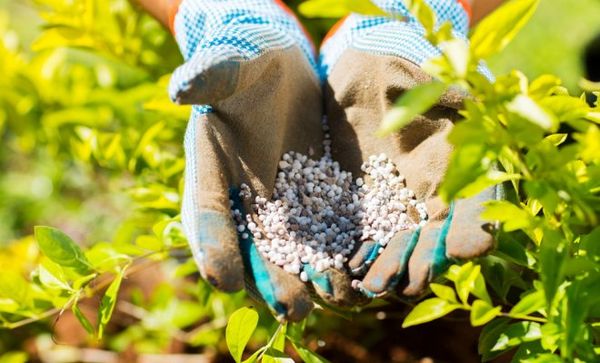
Excessive nitrogen application also has negative consequences. Vegetative mass increases rapidly, to the detriment of flower bud formation. Plant growth and development are delayed, and fruit ripening is delayed. Excess nitrogen reduces resistance to fungal diseases.
The absorption of nitrogen fertilizers is hampered by low temperatures, compacted soil structure, and lack of moisture. Therefore, it is advisable to apply them in the spring. Nitrogen deficiency is most common in light sandy loam soils, but nitrogen fertilizers are necessary for currants and gooseberries in all types of soil.
Fertilizing is done early, before the buds open. Ammonium nitrate granules (40–60 g) are scattered under the bush, evenly distributed around the crown. Afterward, they should be worked into the soil, loosening it to a depth of 10–12 cm.
For young plantings, the fertilizer dose is halved. The rate should also be halved for mature bushes that were fertilized with organic matter in the fall.
Two-year-old currant bushes and three-year-old gooseberry bushes don't require fertilizing if the planting holes were properly fertilized. If signs of nitrogen deficiency appear, foliar feeding can be applied.
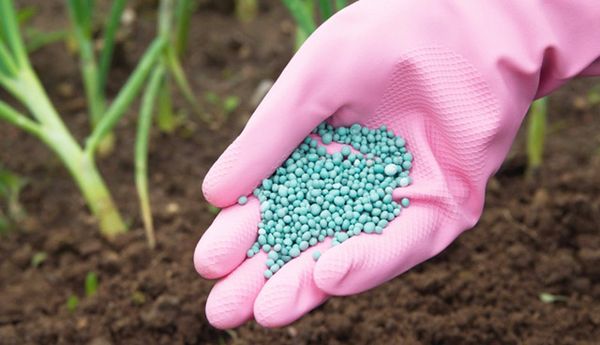
To do this, dissolve 30–40 g of urea in 10 liters of water and spray the bushes with this mixture in the morning or evening. This feeding may be necessary after the ovaries have formed, if they begin to fall off.
Organic farmers can replace chemical fertilizers with rotted manure or compost. To do this, in early spring, apply a 2-3 cm layer of organic matter to the circles around the bushes. Alternatively, water them with a 1:5 solution of cow manure and 1:12 bird droppings. This mixture should be left to sit for 2-3 days before use, and divide one bucket between 3-4 bushes.
Application of phosphate fertilizers
A balanced phosphorus diet enhances the development of plant roots, allowing them to penetrate deeper into the soil and branch more vigorously. This element promotes winter hardiness in shrubs and accelerates the development and ripening of berries. It is a component of enzymes and vitamins. A phosphorus deficiency causes leaves to turn blue-green, violet, or purple. A deficiency of this essential macronutrient leads to delays in developmental stages, especially flowering and fruit ripening.
Acidic soils suffer the most from phosphorus deficiency. Humus-rich soils contain the highest levels of phosphorus. The concentration of this essential element is highest in the topsoil and decreases with depth. Only the root system ensures adequate phosphorus absorption, as when leaves are treated with a phosphorus salt solution, its transport to other organs is very slow.
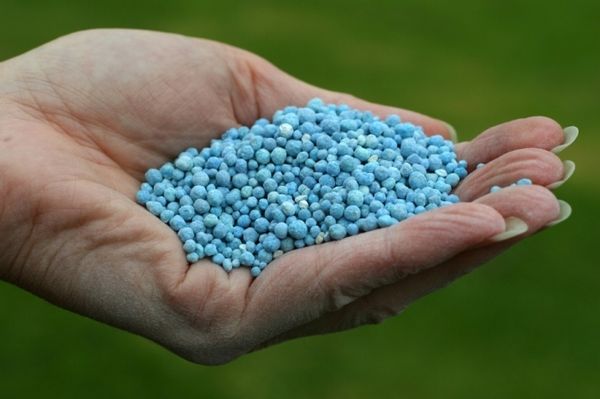
It's best to apply phosphorus fertilizers in the fall after harvesting. Spread the granules in a band around the bushes, 0.5 m from the base and no further than 1 m away.
Before fertilizing currants and gooseberries with phosphates in the spring, they need to be dissolved in water. To do this, add 3 tablespoons of the phosphorus-containing product to 3 liters of hot water, stir, and let it dissolve completely. For watering, take 150 g of the resulting concentrate and dilute it in 10 liters of water. Phosphorus fertilizers are applied to young bushes once every 2-3 years. Starting from the fourth year, such feeding should be annual.
Application of potash fertilizers
Potassium stimulates normal photosynthesis, increases the sugar content in fruits, enhances frost resistance and resistance to various diseases, and has a positive effect on the shelf life of the harvested crop.
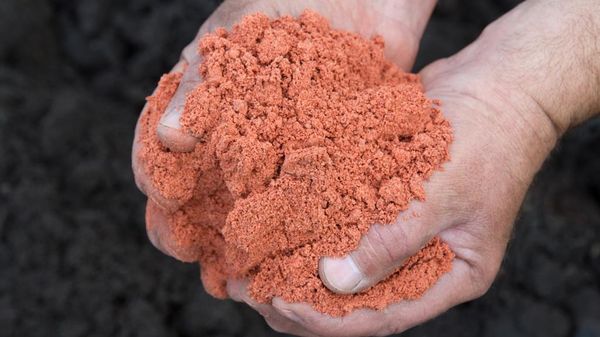
Potassium deficiency causes uneven berry ripening, reduces resistance to fungal diseases, and results in elongated internodes and reduced plant productivity. Potassium deficiency manifests itself primarily in the lower leaves. Their edges begin to yellow, then the leaves turn brown and die.
Potassium chloride fertilizers are not used for berry crops, as they are intolerant to chlorine. For this purpose, potassium sulfate (potassium sulfate) should be purchased. In addition to potassium and sulfur, it contains magnesium and calcium, which are also essential for plants.
Fertilizing currants and gooseberries in spring is recommended if the soils in which they grow are light, sandy.Potassium is easily washed out of the soil during heavy rainfall. It persists longer in heavy clay soils, so it's best to apply fertilizer in the fall.
Apply 50–40 g of granules to the gooseberry bush, scattering them at a distance of 0.5 to 1 m around the bush and working them in to a depth of 8–10 cm by loosening.
For currants, the dose of potassium fertilizer should be lower, as they are more sensitive to chlorine, especially red and white varieties. 30–40 g is sufficient. Wood ash is rich in organic potassium. To feed currants and gooseberries in the spring, 2–3 handfuls of sifted ash sprinkled under each bush is sufficient. You can prepare a liquid fertilizer solution for watering. Fill a ten-liter bucket one-third full with ash, add water, and let it sit for a week. Dilute one liter of this concentrate with water and pour it under each bush.
It is important to remember that when using chemical fertilizers, it is necessary to strictly adhere to the dosage. It is better "underfeed" plant, rather than harming it with excessive chemical application.
Video: "Fertilizing and Caring for Gooseberries and Currants"
This video will teach you how to properly care for, feed, and process gooseberries and currants.