
Selechenskaya 2 currant is the leader in the amount of valuable vitamins and minerals
Content
Characteristics of the variety
So, what does every interested farmer need to know about this crop? Among its key characteristics, the following points should be highlighted:
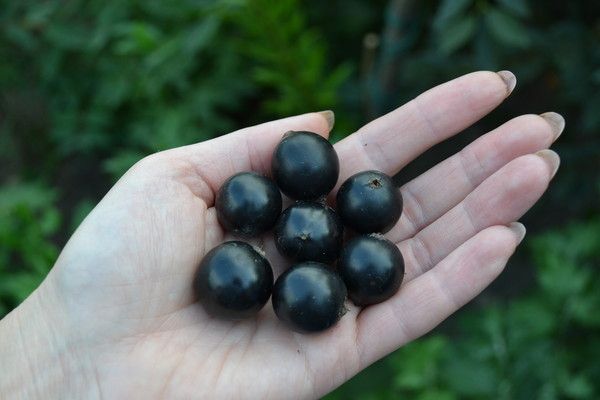
- Large fruit size. They remain hanging on the branches for quite a long time without falling off;
- You can plant seedlings in almost any type of soil – the plant takes root well in various conditions;
- The fruits have excellent taste characteristics. The berries are sweet and have a moderate aroma;
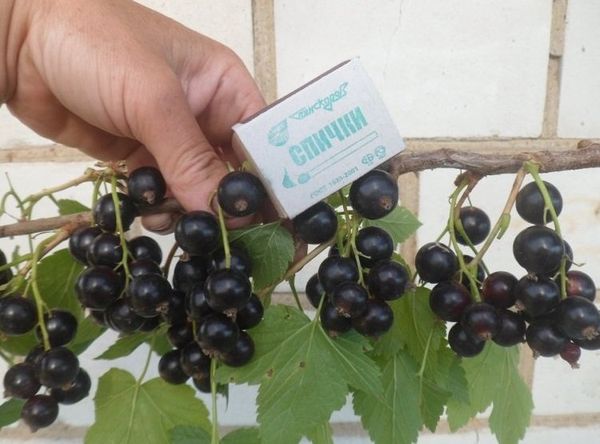
- currants do not react too violently to sudden changes in weather and temperature fluctuations, they can withstand sudden frosts, severe frosts in winter, and also drought;
- Berries contain a large amount of vitamin C;
- The plant exhibits good resistance to powdery mildew, so fungicide treatment is unnecessary. The shrub is also resistant to diseases such as anthracnose and bud mite, but to a much lesser extent.
If we look at the plant's external features in more detail, the bush grows to a medium size, and the shoots are upright. Currants ripen quickly. They are eaten fresh, but can also be preserved for winter. These fruits are used to make jams, compotes, jellies, liqueurs, tinctures, and juices. Interestingly, currants can be a key ingredient in the filling of pies, cakes, pastries, or candies. The Selechenskaya currant variety has many advantages and, most importantly, produces a bountiful harvest, provided you provide proper care.
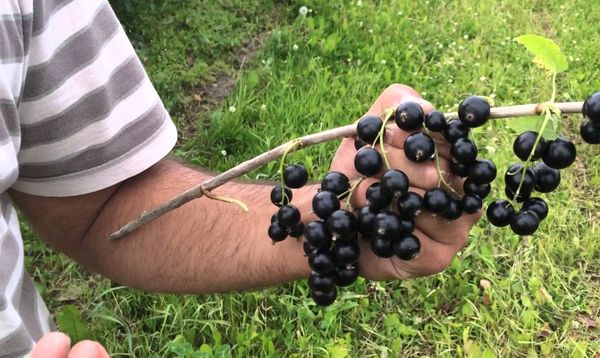
Planting and care
A description of this blackcurrant variety will certainly catch the attention of gardeners who appreciate good fruit trees. However, simply assessing the plant's characteristics is not enough. It's essential to understand the process of planting seedlings in the ground, as well as the key requirements a farmer must adhere to. For example, it's crucial to leave a reasonable distance between bushes (1.3-1.5 m). However, these parameters are optimal for young seedlings.
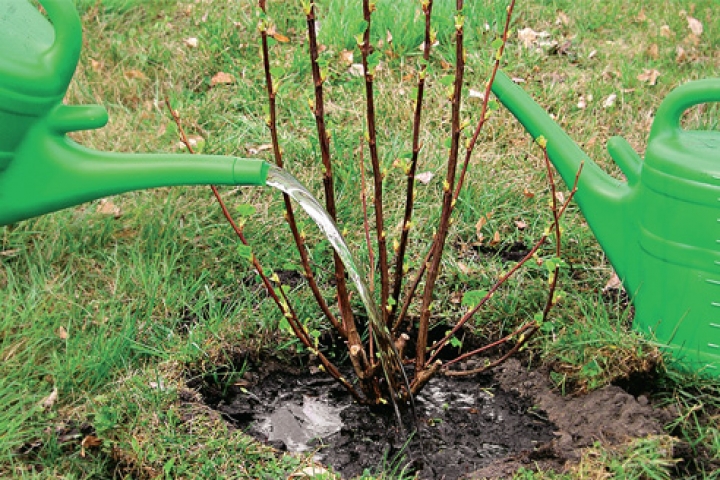
Mature shrubs, however, require much more space. Sometimes, farmers increase this to 3 meters, but this depends on the availability of space on your property. Typically, these plants are planted in partial shade. However, some gardeners prefer to create a dense shrubbery so that it can shade itself. It's important not to overdo this: the distance between shrubs should be at least 1 meter.
Sometimes, owners of this currant variety plant the bushes between rows of the garden or along its perimeter. However, make sure all your plants are treated for aphids, otherwise this disease will quickly spread to the currants. Particular attention should be paid to mulching the soil around the bush. If possible, add organic matter to the top layer of soil: this will help retain moisture much longer.
What should a gardener do to ensure proper care for Selechenskaya currant bushes? Fertilizers are crucial. With the arrival of spring, it's essential to add nitrogen-mineral fertilizers to the soil. Pruning is also recommended during this period. Periodically, the bush will also need to be "rejuvenated": remove any branches that are more than two years old. As the berries set and ripen, be sure to monitor the bush. If some branches sag under the weight of the berries and droop further, they should be tied to stronger stakes or firmly driven into the ground.
Diseases and pests of currants
The Selechenskaya 2 currant has many advantages and is highly valued by domestic farmers. Furthermore, this plant is considered quite resistant to various diseases. However, if care is not provided properly, both diseases and pest infestations are possible. Farmers typically treat their bushes in early spring. This significantly reduces the risk of disease. However, it's impossible to prevent all dangers. Therefore, it's best to understand the main diseases that affect this currant variety:
- The biennial leaf roller. This is a larva that can cause significant damage to the plant. It mostly eats flower buds from the inside. How can you recognize the presence of pests on a shrub? Typically, when this problem occurs, the buds dry up and change color. You can get rid of the pests with special products. It also helps to dig the soil around the shrubs in the fall and treat it with Bordeaux mixture (this should be done before the flowering period).
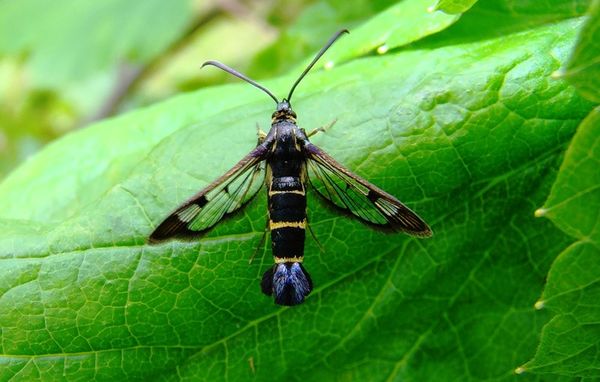
- Currant glassworm. The larvae of this butterfly breed under the bark of the plant and feed on its branches from the inside. Therefore, if some branches begin to dry out in the spring after the flowering phase, it's time to take action. Products such as Rovikurt or Karbofos are the best choice for farmers facing such problems. Another important point is careful adherence to fertilizer dosages. If you follow this rule, the likelihood of these pests appearing is reduced.
- Leaf gall aphids. The larvae of these parasites feed on plant sap. Over time, the tops of the bushes simply begin to dry out. To prevent these pests, it's advisable to spray the bushes with a urea solution in the spring;
- Spider mites. Another pest that prefers to suck plant sap, causing light spots to appear on the leaves. To eliminate this problem, a colloidal sulfur solution is recommended. Preventative measures include removing and burning affected leaves, loosening the soil around the plant, and promptly removing weeds.
- Currant shoot midge. The larvae mostly eat the shoots. If they are damaged, it is recommended to cut them off. Also, thoroughly dig over the soil in the fall;
- Blackcurrant sawfly. The larvae of these insects primarily feed on fruit seeds. Professional pest control products, such as Etafos or Ambush, can help remove them from the bush. You can also pick the affected berries by hand. In any case, it is recommended to thoroughly dig the soil in the fall and then mulch it.
The Selechenskaya currant variety is a shrub susceptible to certain diseases and pests. Therefore, your key goal is to eliminate the problem at the slightest sign if you want to maintain high yields from your bushes.
Harvesting and storage
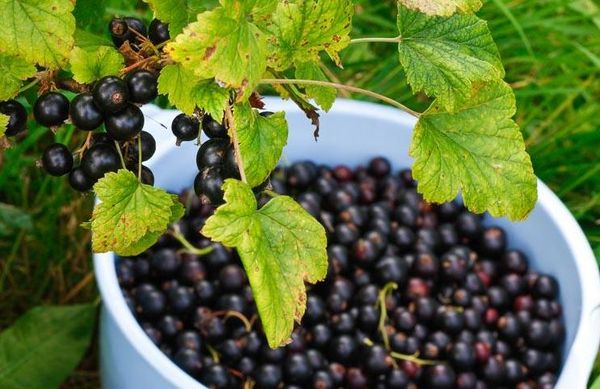
The Selechenskaya currant variety is a mid-season variety. The fruits ripen as early as July, but this process is quite lengthy and can last until early August. If you want to safely store your currants, it's best to pick them in dry weather. In this case, the berries can be stored at temperatures between 1 and 3°C (33 to 37°F) for about ten days. There are many ways to preserve the berries for the winter. They can be dried, frozen, or used to make jams, preserves, and compotes.
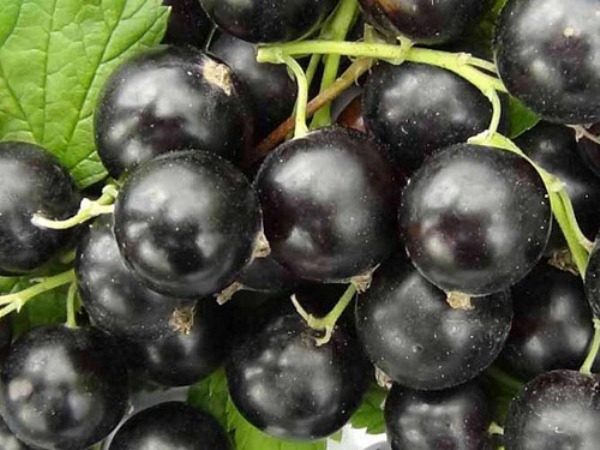
Another good way to preserve currants without losing their beneficial properties (unlike jam) is to puree the berries with added sugar. This mixture can be eaten fresh in winter, or added to tea and various baked goods. Dried currants are also used separately: they can become key ingredients in medicinal herbal teas. Check out this description of the key properties of this currant variety, and you'll definitely want to add it to your garden's fruit collection.
Video: Growing the Selechenskaya 2 Currant Variety
In this video, you'll learn how to properly grow the Selechenskaya 2 blackcurrant variety.