
The main diseases of currants and methods of control
Content
Common diseases and their treatment
When purchasing a currant bush, it's crucial to understand that simply following the planting guidelines isn't enough. It's also important to prevent dangerous diseases that can not only ruin your crop but also the entire bush.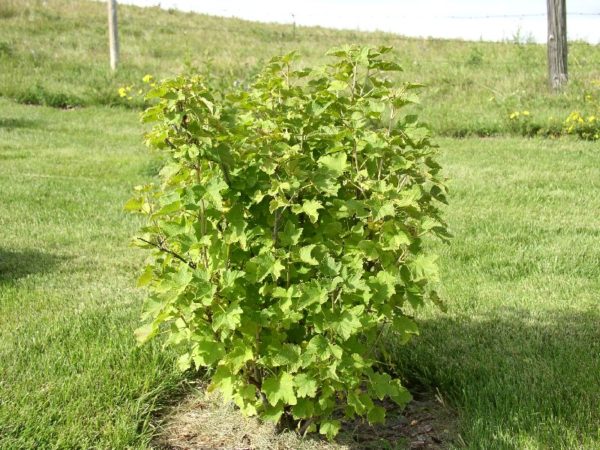
To explore this issue in more detail, we recommend that you find out what diseases affect domestic currants:
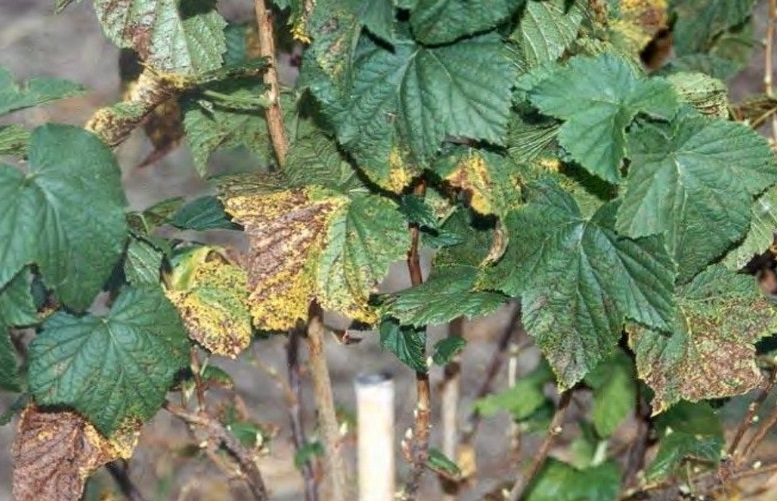
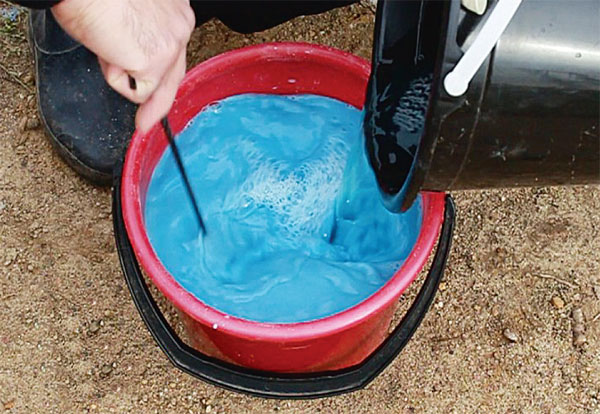
- Anthracnose. In the height of summer, you may notice unusual spots appearing on your bush's leaves. This may be caused by a fungus, but the consequences can be dire if you don't treat the plant immediately. Key symptoms include small red or brown spots, each with a small bump in the center. Over time, the problem worsens—the spots increase in diameter, and when the leaf is completely covered, it simply dries up and falls off. What makes this fungus so dangerous is its ability to adapt even to frost. If present on plant debris, it can easily survive even severe frosts. The disease caused by the fungus affects absolutely all plant species, although it is most common on red currant leaves. Bordeaux mixture can help combat this problem. It is diluted in water in specific proportions and then sprayed on the plant. Experts recommend treating the bush at least twice: immediately after detecting the problem and after harvesting;
- Powdery mildew. A white, loose coating first covers the currant leaves and then spreads to the berries. Remarkably, this disease doesn't bother gardeners very often, and its symptoms are easy to eliminate. To do this, use a professional product, such as Fitosporin. Remember that this disease is most often caused by improper plant care.
- Rust. Gardeners encounter this problem at any time of year. Orange spots (columnar rust) or orange humps (goblet rust) may appear on the leaves. Interestingly, sometimes even nearby plants can negatively affect the bush. For example, rust on currant leaves is usually caused by nearby sedge or coniferous forests. The bush can be treated with Bordeaux mixture.
Common currant diseases and their treatment are an important point in ensuring that a gardener receives comprehensive care for the plant.
Video "Various Currant Diseases"
From the video you will learn about the most common diseases of this plant.
Currant diseases
It's one thing if you're faced with a fairly common currant disease that can affect a variety of varieties, but it's quite another if the problem is more of an individual nature.
Identifying symptoms and attributing them to a specific disease is not easy, but the sooner you determine what infection you are dealing with, the higher the chance you will be able to cure the plant. Which varieties and types of currants are susceptible to certain diseases?
Black
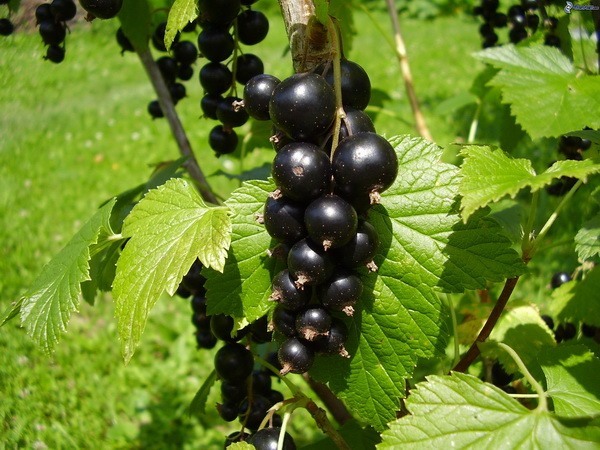
Blackcurrant diseases can only slightly impair the plant's vigor, or they can affect its health so severely that you lose not only the harvest but also the entire plant itself. As you can see, there's plenty to worry about. Blackcurrant is perhaps the most common variety of this berry. Its aromatic black berries are widely used in cooking, making various dishes and drinks, as well as for preserves. You'll be even more sorry to lose your own blackcurrant plantation, even if it's small. What diseases can contribute to this?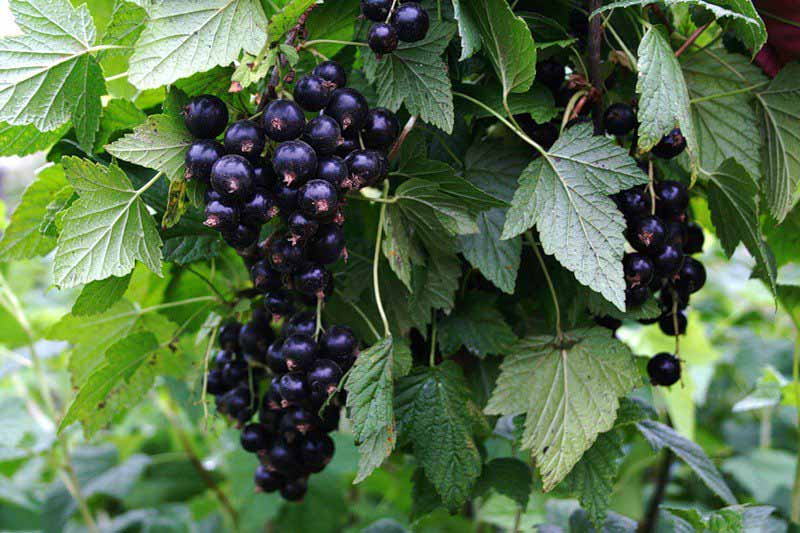
Blackcurrant reversion (also known as terry currant) is considered one of the most dangerous diseases. As the disease progresses, the bush may simply stop producing fruit. Key symptoms include:
- leaf shape mutation - it lengthens, becomes asymmetrical, and teeth may appear on the leaf itself;
- the number of veins on the leaves of the bush decreases;
- the leaf blade takes on a purple hue;
- The plant may lose its characteristic smell and stop bearing fruit.
It is recommended to treat black currants immediately after determining what specific disease you are dealing with.
Red
Interestingly, red currants differ significantly in their disease profile and treatment options from black currants. To prevent infection from developing, currant bushes can be treated with special preventatives in the spring.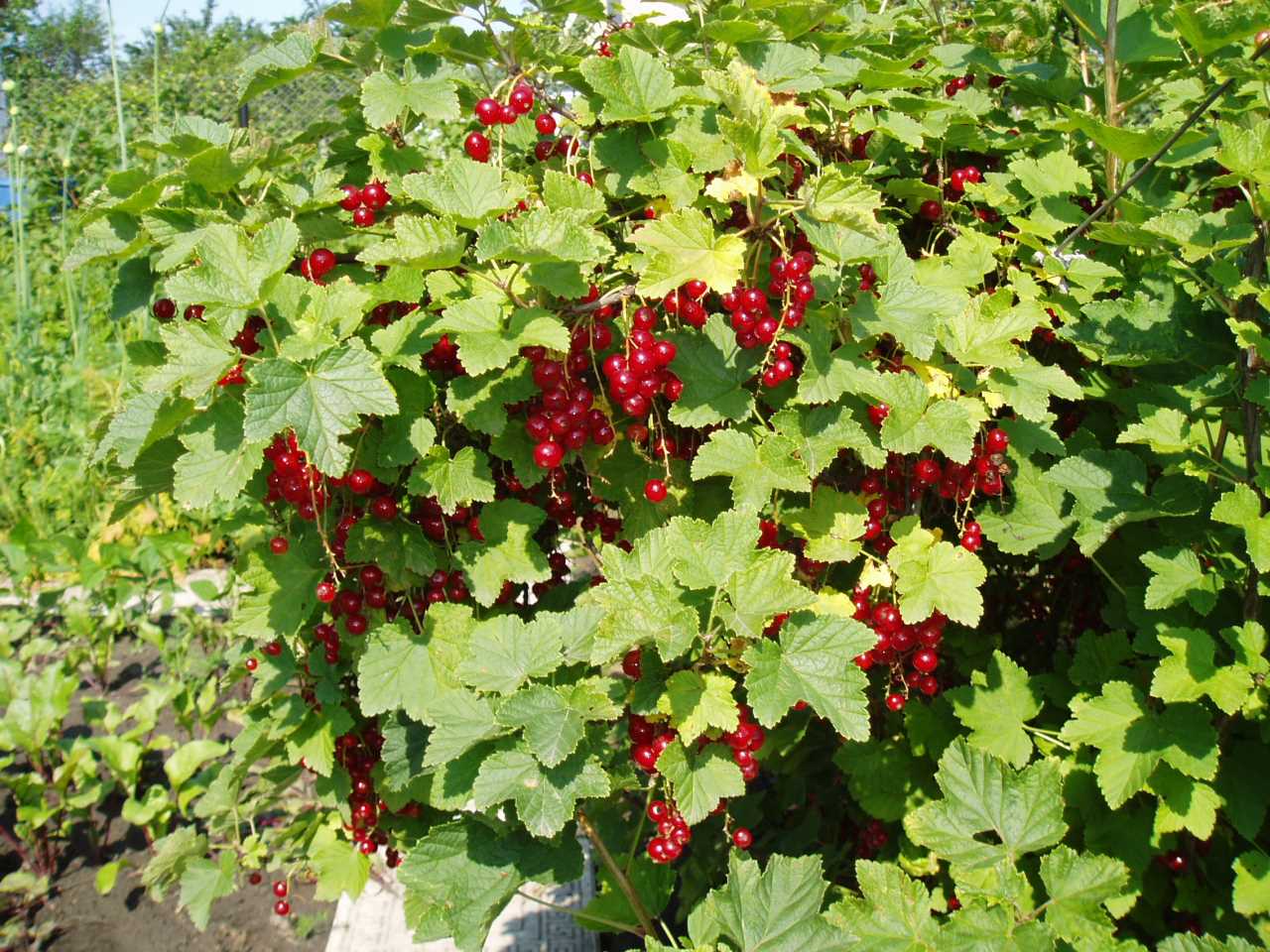
If you were unable to protect the plant from the disease, professional store-bought products will come to the rescue, which will rid the currant of both the symptoms and the source of the disease.
White
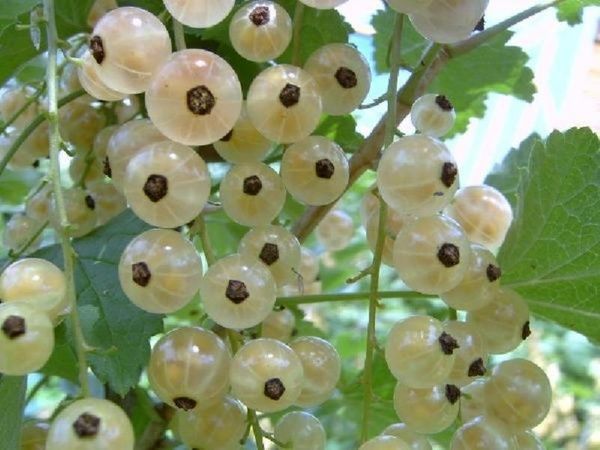
White currant diseases and their control are another important step for both experienced and novice gardeners. Among the most dangerous infections, Nectria rot is the most prominent. How does the disease manifest itself? Orange spots appear on branches and shoots, which over time develop into light-colored bumps. This causes the currant shoots to dry out.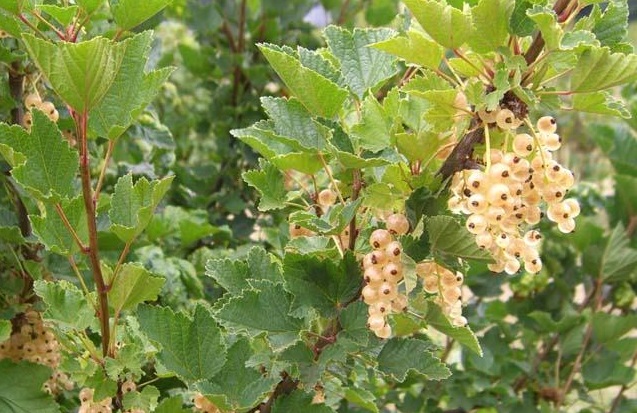
If you notice any problems of this kind, you should immediately provide comprehensive treatment. First, it's recommended to prune branches already covered in spores, preferably burning them. The remaining cut areas should be treated with a Bordeaux mixture solution. In any case, you must act immediately if you don't want to lose the plant.
Pests and their control
Fighting dangerous currant diseases isn't the only problem that currant lovers must contend with. All of these infections are treatable, albeit not immediately, but with effective treatments, they are quite effective.
However, there's another serious threat to bushes: insects and other pests. These include aphids, moths, bud mites, and a host of other parasites. How can you combat this scourge? In fact, eradicating something that has already become firmly entrenched in your currant bushes isn't easy.
Therefore, prevention will be much simpler and cheaper for you. Don't neglect these procedures, and you won't have to save your home currant plantation from parasites or infectious diseases. Otherwise, you'll lose significantly more, both financially and in terms of the integrity and yield of your plants. The decision is ultimately yours.
Video: "Protecting Currants from Diseases and Pests"
This video will teach you how to protect your shrubs from diseases and pests.