
The best varieties and care for white currants
Content
The most productive varieties
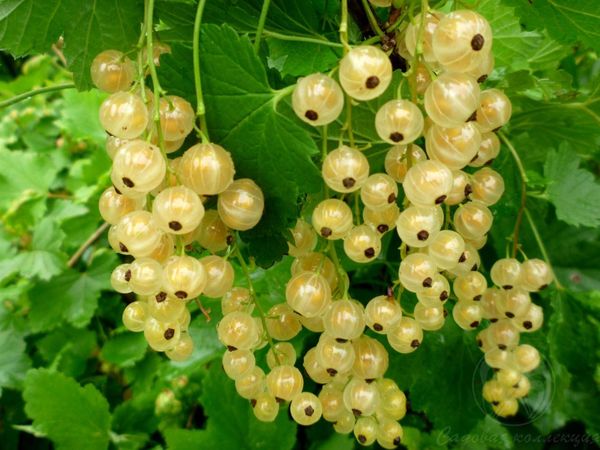
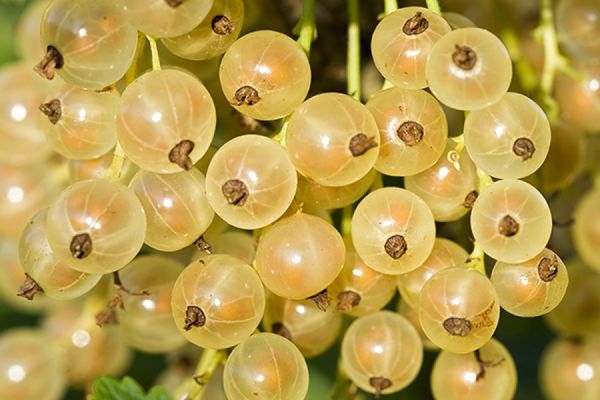
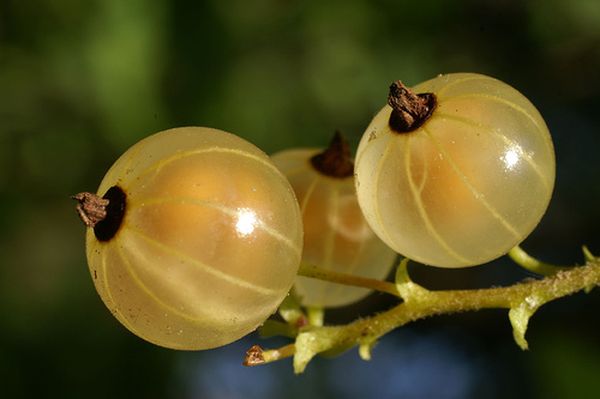
White currants can be a true gem in your garden. Their berries range in color from white to dark cream, depending on the variety. Remarkably, when ripe, they don't fall off, but remain attached to the branches for quite a long time. The berries contain a large amount of pectin. Firstly, this substance gives the berries their gelatinous consistency (which is why white currants can easily be used to make jelly). Secondly, pectin has beneficial effects on human health. Therefore, including currants in your daily diet can help remove heavy metals from your body.
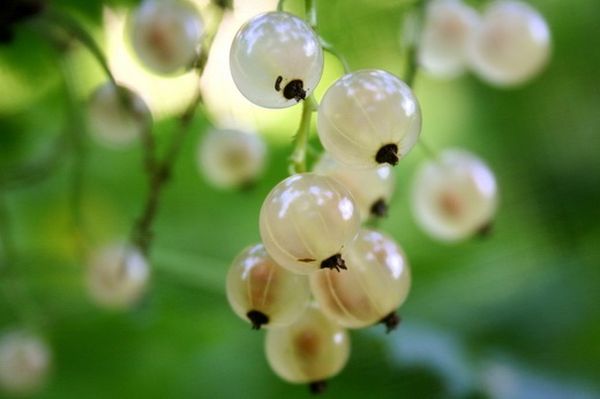
If we talk about the presence of vitamin C in white currants, it contains much less of it than in red or black ones. However, potassium and iron are predominantly found in the fruits of white berry bushes. White currants, by their description, are especially recommended for the elderly and allergy sufferers. Their ripe berries can prevent various age-related diseases, which is why currants are considered to have some rejuvenating properties.
Which white currant varieties are best to plant in your garden? A wide variety is available in modern gardening. Let's look at the most popular varieties of this berry bush.
Diamond (White Fairy)
This bush reaches a height of no more than 1 meter. It belongs to the currant varieties with medium fruiting intensity. The main advantages of this variety include the following:
- ripe berries do not fall off;
- the bush can withstand even severe frosts;
- you will reap approximately the same harvest every year (the intensity of fruiting does not decrease even several years after planting the bush);
- berries can be easily stored fresh for some time, and they are also transportable;
- the plant shows a fairly high resistance to the development of diseases, as well as pest infestations;
- The variety is self-fertile, so there is no need to plant additional plants around the bush.
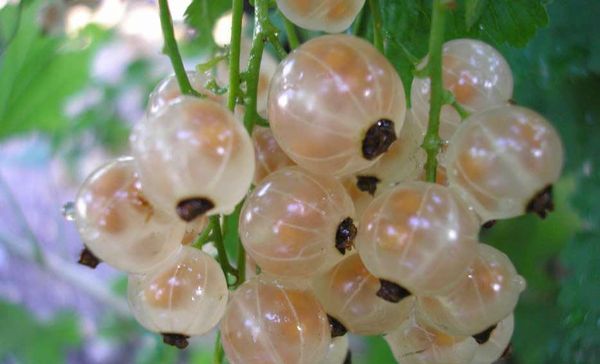
This variety of white currant also has its drawbacks. For example, it's essential to monitor soil moisture levels. Diamond white currant requires constant moisture. The bush grows very spreading and dense, so pruning will need to be done carefully and slightly more frequently than usual. Another important consideration is that you'll need to fertilize it, as the topsoil must remain nutritious.
Bayana
The Bayana white currant is rightfully considered one of the best and most popular varieties among farmers. This plant is distinguished by its high-quality fruit, good yield, and disease resistance. The bush grows quite dense and tall, but moderately so that pruning is not a necessary part of the plant's care. Ripe berries have a sweet taste with a slight tartness. They are often used to make jellies, wines, and juices. Bayana fruits can be safely frozen for the winter and, of course, eaten fresh.
Versailles White
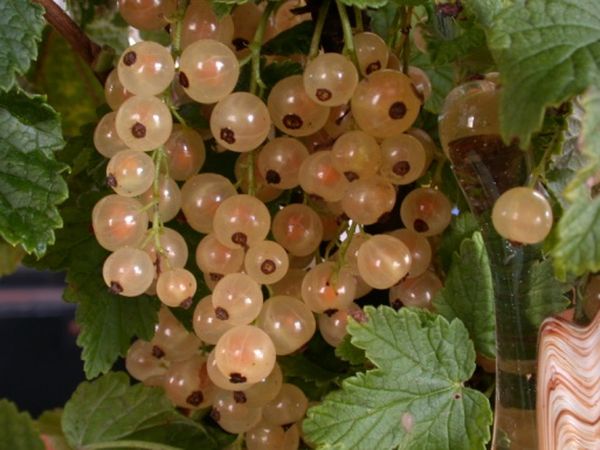
The Versailles White currant variety was developed in France in the late 19th century, hence the name. Among the plant's key advantages are the ripening of large berries and high yields. The fruits have a sweet and sour taste, and their flesh is very juicy. This bush has good resistance to powdery mildew. Importantly, the variety is self-fertile and frost-hardy. The only problem gardeners may have to contend with is anthracnose. The bush is not very resistant to this disease, so treatment with specialized products is essential.
White Potapenko
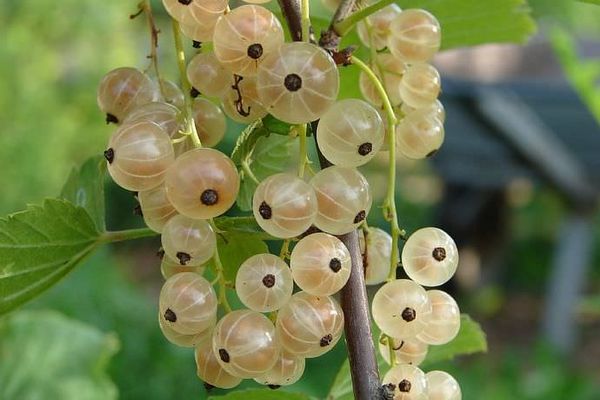
Among white currant varieties, the White Potapenko variety also stands out. This mid-season plant grows with a slightly spreading habit. If your area experiences severe frosts in winter, this variety is ideal: it is quite resistant to low temperatures and even to significant fluctuations (it also tolerates spring frosts). White Potapenko currant yields annually and is self-fertile. The only drawback of this bush is its average yield. Nevertheless, the variety is considered popular among farmers due to its other advantages.
Ural white
Ural white currant is readily available for planting and care in central Russia. This variety is considered versatile and is in high demand among domestic farmers. This white currant variety is a mid-season berry bush. Notably, this variety exhibits high resistance to frost and various diseases. The bushes are gently spreading but quite dense.
If you're looking for a currant variety that produces well, you'll definitely want to consider this one. A single bush can yield up to 6 kg of berries per season. They have a sweet and sour flavor and are very delicate. This currant will find a special place in your garden.
Care and cultivation
No matter how productive a currant variety, or any berry bush for that matter, is, if it's overly susceptible to pests or various diseases, all its benefits are negated. However, white currants are less likely to suffer from this, as experts say they are highly resistant to pests such as currant mites and glassworms. Powdery mildew, if it does appear on the bushes, generally doesn't cause much damage.
To further reduce the risk of developing certain diseases, it is recommended to water currant bushes with hot water in the spring before the sap begins to flow. Beforehand, it's advisable to tie the branches tightly together to facilitate this process. This method has been around for many years, but it still proves effective today.
Be sure to weed the soil around white currant bushes. Don't forget to water and fertilize the plants regularly. Loosen the soil with extreme care, as currant roots often grow just below the soil surface.
Pay special attention to fertilizing currant bushes. Fertilizing is typically done three times per season:
- In the spring, apply nitrogen fertilizers. These are necessary for active growth of the bush and the increase of vegetative mass;
- in summer – potassium substances. They promote faster ripening of fruits;
- In the fall, apply phosphorus fertilizers. It is essential to prepare the plant for the onset of cold weather.
Ripe white currants can generally be harvested no earlier than July. However, you shouldn't have any particular problems growing the bushes.
What does white currant like?
When caring for currant bushes, it's recommended to adhere to key points. To ensure a full summer harvest, it's essential to ensure thorough watering, timely pruning of old branches and shoots, and fertilizing. As for pruning, it should be done for the first time immediately after planting the bush in its permanent location. This involves removing almost all shoots, leaving three buds on the seedlings. This will help the currants establish themselves much more quickly.
The bush grows very vigorously, so don't be afraid to prune it meticulously. Watering and fertilizing are essential for white currants. Proper care for these berry bushes is generally easy, and you'll reap a bountiful harvest. The key is to follow the basic guidelines, and you won't have to go overboard.
Video: "Which currant is healthier?"
This video will tell you which currants are healthier: white, red, or black.