
Description of alpine varieties of ornamental currants
Content
Characteristic
This currant species, known in Latin as Ribes alpinum, is a shrub with fairly dense foliage. It can grow up to 2.5 cm tall in your garden. During flowering, which usually occurs at the end of the last month of spring, you can often see clusters of so-called penetrating inflorescences on this plant. They are traditionally yellow. The leaves are slightly smaller than those of the common currant, each no more than 4 cm long. Their surface is smooth and pleasant to the touch.
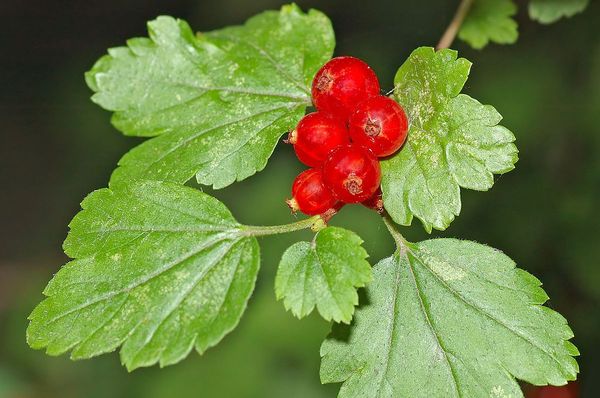
The harvest can be completed from mid-July to mid-August. The berries don't boast a distinctive flavor. However, they are versatile, suitable for adding to fruit preserves and making mixed juices. The berries are typically about 6-8 cm in diameter and pink in color. In autumn, the foliage of this plant is a beautiful addition to any garden. It remains on the bush for a long time and is a pleasant golden-yellow color. This plant makes a magnificent hedge in landscape design.
Growing conditions
For planting this type of currant, it's recommended to choose a well-lit location. There shouldn't be any groundwater nearby. If you plan to plant seedlings in groups or to form a hedge, be sure to space them 1–1.5 meters apart. This will ensure the seedlings receive sufficient sunlight and thrive.
Experience shows that seedlings with a closed root system, grown in special containers, have the best survival rate. Although they are more expensive than other varieties, the expense is justified. Beginning gardeners often don't know the best time to plant seedlings. Spring, summer, and even fall are all acceptable times.
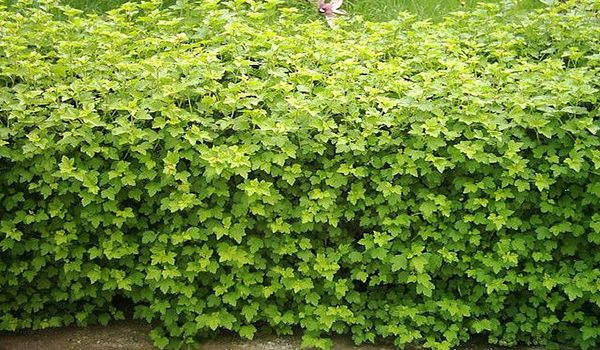
When growing currants properly, you need to ensure a nutritious soil mixture. The typical hole size is 50 x 50 x 50 cm. Drainage is not necessary. It is recommended to use high-quality humus, turf soil, and sand.
If you're preparing a plot for currants in the fall, you can add a high-mineral fertilizer to the soil. In the spring, you should dig the plot.
Varieties
This currant variety began to be widely cultivated in our country as an ornamental crop as early as the late 16th century. Today, a large number of varieties are known. These include ornamental varieties with red and yellow foliage, as well as unusual dwarf shrubs.
The most popular alpine plant among gardeners is the Schmidt variety. This shrub doesn't take up much space due to its compact size. It grows no more than 15 cm throughout the year. Gardeners can create beautiful green sculptures with the Schmidt variety. The bushes feature three-lobed leaves, reaching up to 4 cm in length, with a refined dark green color.
In autumn, these plants are a delight to any garden, as their foliage turns a rich yellow. Flowering usually occurs in May. The harvest can be harvested in July and August.
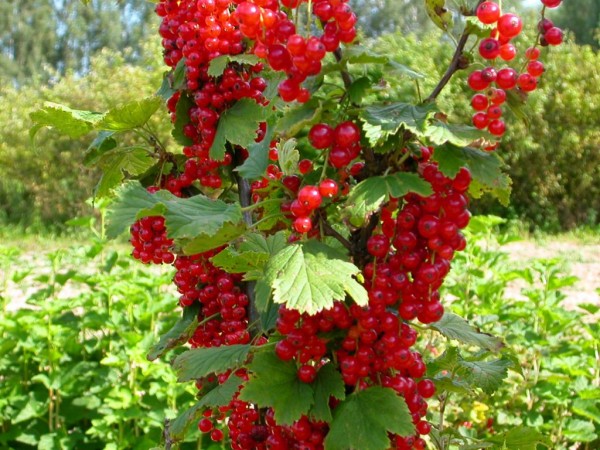
The beautiful berries don't boast a particularly distinctive flavor. The variety's advantages include its winter and drought resistance, as well as its ability to thrive in the shade. This long-lived currant can survive in your garden for up to 40 years! It thrives well alongside tall trees growing nearby. Fertile, medium loamy or sandy loam soil is required for planting this crop.
Golden currant is a dwarf form of the alpine species. This shrub can grow up to 1 meter in height. During flowering, it delights the eye with penetrating inflorescences with a characteristic yellowish hue. The deep red berries have an unpleasant flavor. Therefore, the shrub is usually grown in gardens for ornamental purposes. In autumn, it will decorate your garden with yellow or red foliage.
This currant shouldn't be confused with the golden currant, which isn't an alpine species. This shrub, known as Aureum, doesn't respond well to shade. However, it's resilient to the vagaries of weather. If desired, these bushes can be used to create magnificent geometric shapes and hedges.
Dense, spherical bushes no more than 1.5 meters tall belong to the Pumila variety. They begin flowering and fruiting by the age of five. The rooting rate of cuttings is typically up to 90%. Among the advantages of this variety is its high winter hardiness.
Caring for Alpine currants
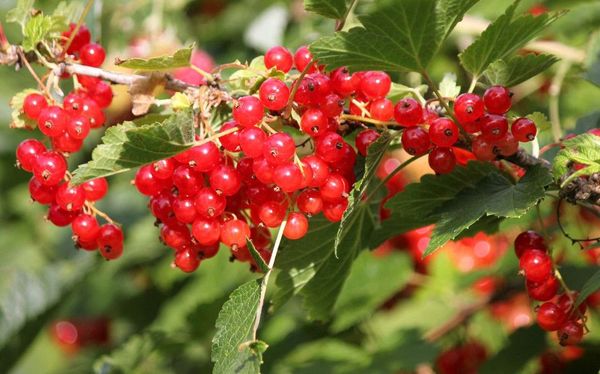
When properly caring for crops of this type, one should remember about applying fertilizers, moderate watering, pest and disease control, and pruning.It's recommended to fertilize currants with high-quality compost or humus at least once a year. This is best done in the spring. In April and after flowering, it's recommended to apply complex fertilizers with a high mineral content. On dry summer days, water 3-4 times, applying up to 40 liters of water per bush. To avoid treating the plant for fungal diseases, preventative measures should be taken. The preparation "Fitosporin" has proven effective.
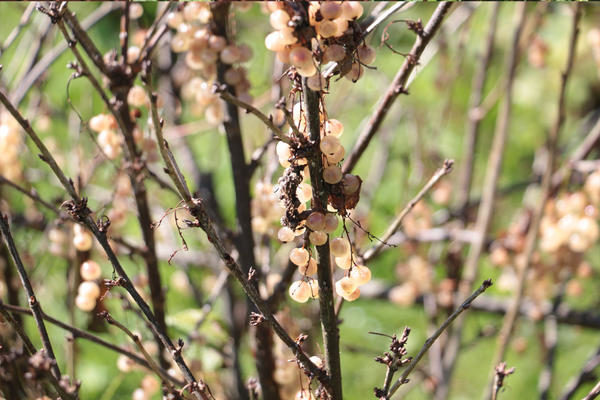
Bushes are often attacked by pests such as spider mites, aphids, leaf spots, and rust. Tried and tested folk remedies can be used to repel pests. These include dusting with tobacco dust and treating with a solution of special green soap. Pruning should be scheduled for late March, when the sap has not yet begun to flow. Remove dead and old branches. It is then recommended to trim them to a more even height, shaping the bush to your liking. Cuts can be treated with oil paint, sprinkled with ash, or coated with wax.
Video "Alpine Currant Schmidt"
This video will give you detailed information about the alpine currant variety "Schmidt" (Ribes alpinum 'Schmidt').