
Methods for controlling the 8 most dangerous plum pests
Content
Description and danger of pests
Each insect that infests plums has a unique appearance and poses a specific risk to the plant and harvest. Therefore, to effectively control each pest, it's important to understand the pest type and the danger it poses.
Plum codling moth
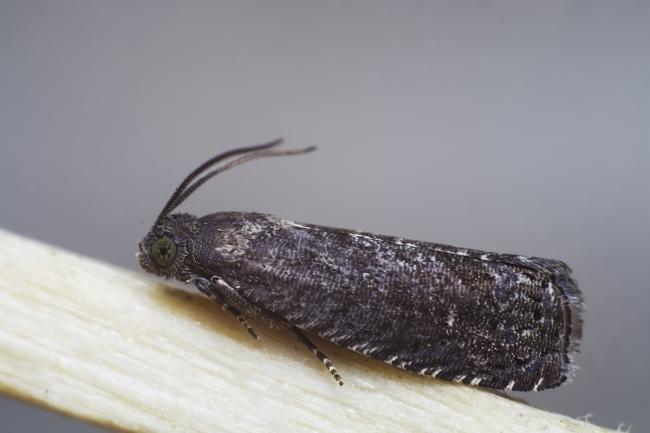
It's considered the most dangerous pest, as it causes the most visible and significant damage to crops. The silvery-gray caterpillars are particularly damaging. The brown moths they transform into are also dangerous.
The caterpillars migrate inside the ovary, where they grow. They also eat away the pulp, significantly reducing the quality of the harvest. This causes the plums to fall from the branches unripe. If they do ripen, their contents are spoiled. Such a harvest does not store well and cannot be used for processing.
Video "Pests of Fruit Crops"
Effective methods of tree pest control.
Ringed and gypsy moths
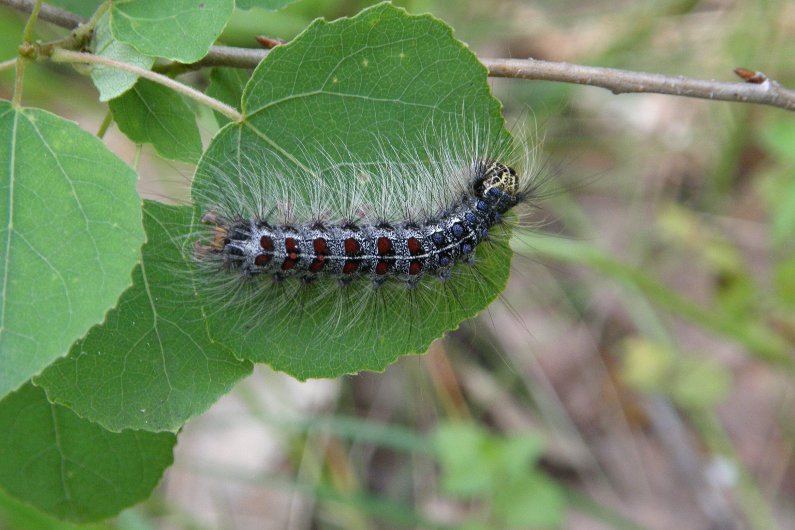
These are the caterpillars of a nocturnal species of moth. They have gray heads and brown bodies covered in numerous hairs. When infested, they can destroy most leaves. The caterpillars also readily feed on buds and inflorescences. If left untreated, the consequences can be dire. The moth is small, with a body and wings in light and dark shades of brown.
Plum thrush
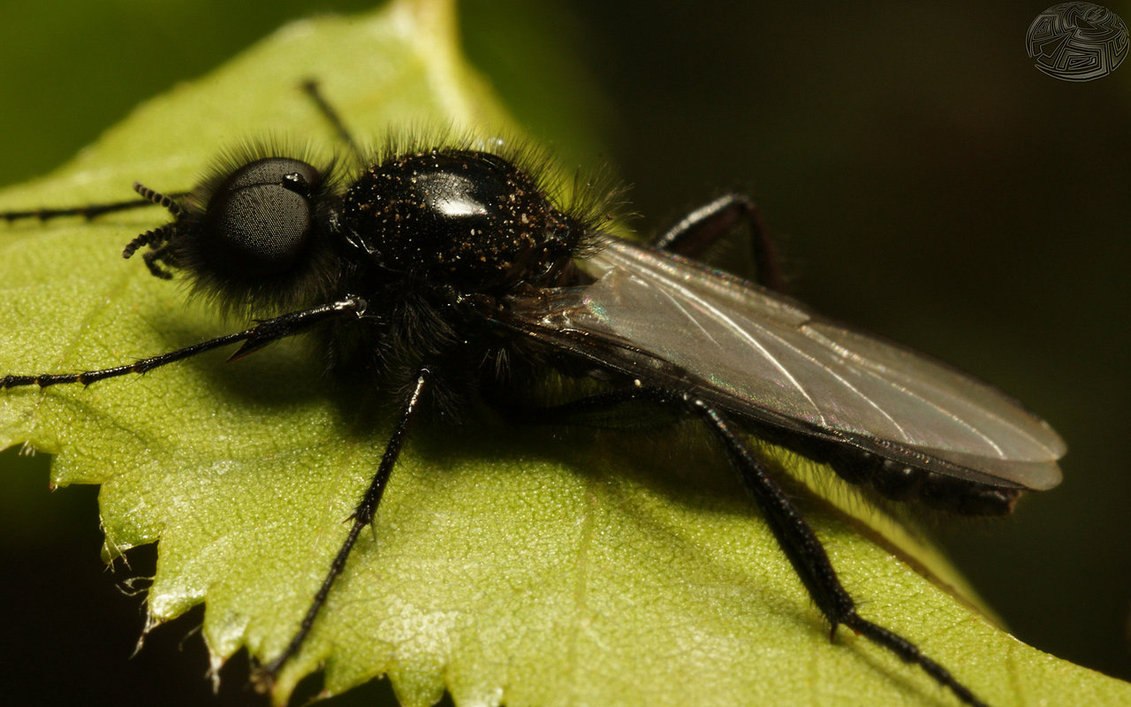
The insect is only a few centimeters long. The plum worm has wings. The greatest threat to plums comes from the white, 5-millimeter-long larvae. They can significantly reduce the yield and degrade its quality.
The female lays eggs in the ovary, so the larva begins developing inside the seed. As they grow, the worms eat not only the seeds but also the fruit pulp. The pest can overwinter in fallen fruit left under the tree. Therefore, clearing leaves and fallen fruit from under trees in the fall is an excellent preventative measure.
Scale insect
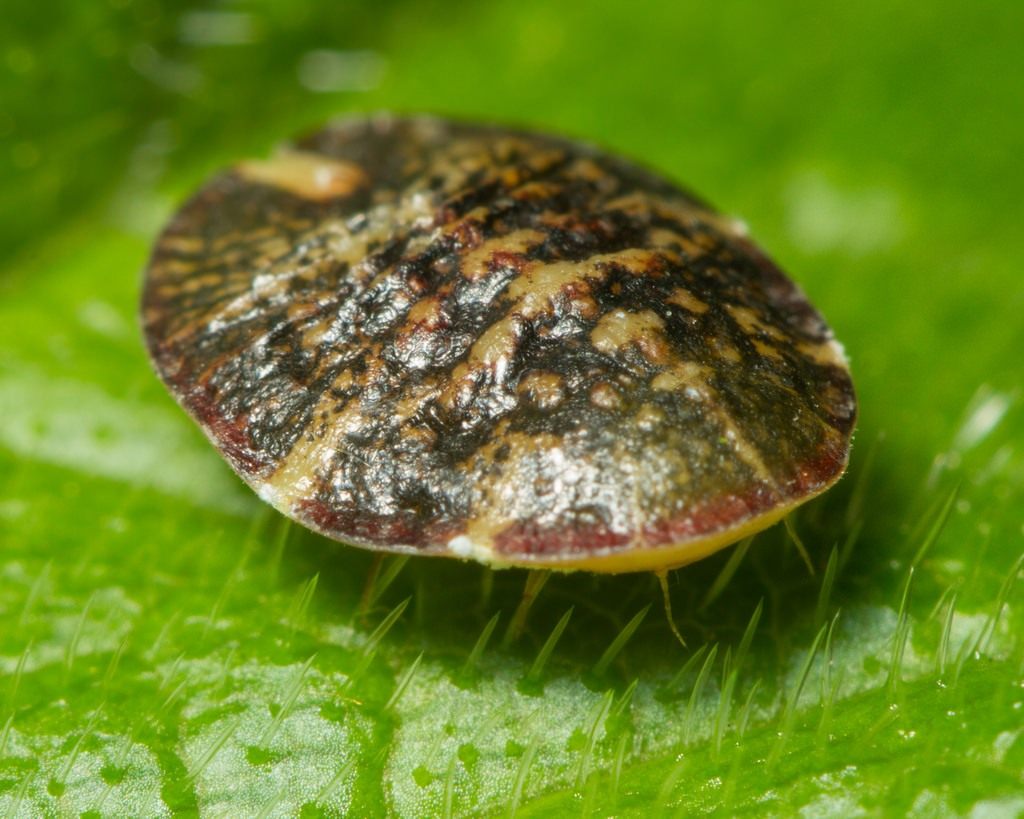
Scale insects, or false scale insects, are often not identified as a danger because they look very much like ordinary growths or dried gum droplets. Moreover, the insects are very inert, which serves as excellent camouflage for them.
Scale insects damage trees by attaching themselves to young branches and leaf petioles. Feeding on plant sap, the insects literally burrow into the tree, causing serious damage.
If scale insects infest a plum tree, they significantly weaken the plant. As a result of a massive attack, the tree's leaves begin to dry out and fall off. Sometimes, the pests even cause fruit to drop. If the plum tree isn't treated promptly, in addition to the scale insects, sooty mold will appear on its branches, which develops on the sticky honeydew produced by the pests. The fungus impedes respiration and also inhibits plant growth.
Black and yellow plum sawfly
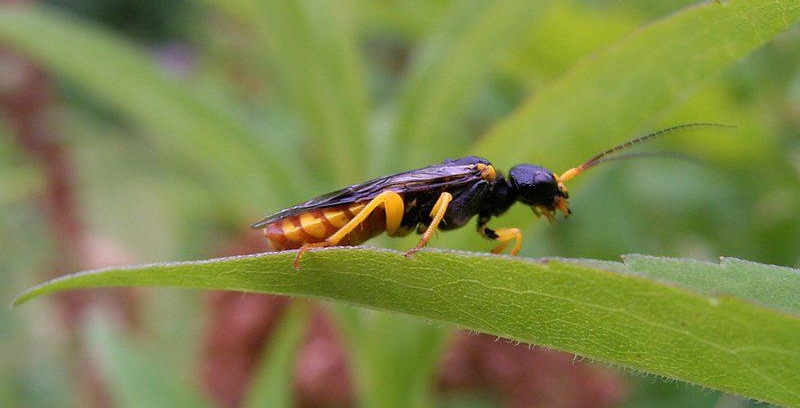
Another common plum pest is the yellow and black plum sawfly. The main damage to the tree is caused by the larvae, which attack the foliage and fruit system. The yellow variety of the sawfly can threaten not only plums but also other stone fruit crops commonly grown in our gardens.
If infected crops are not sprayed, the infestation will become widespread and lead to significant crop losses.
Aphid
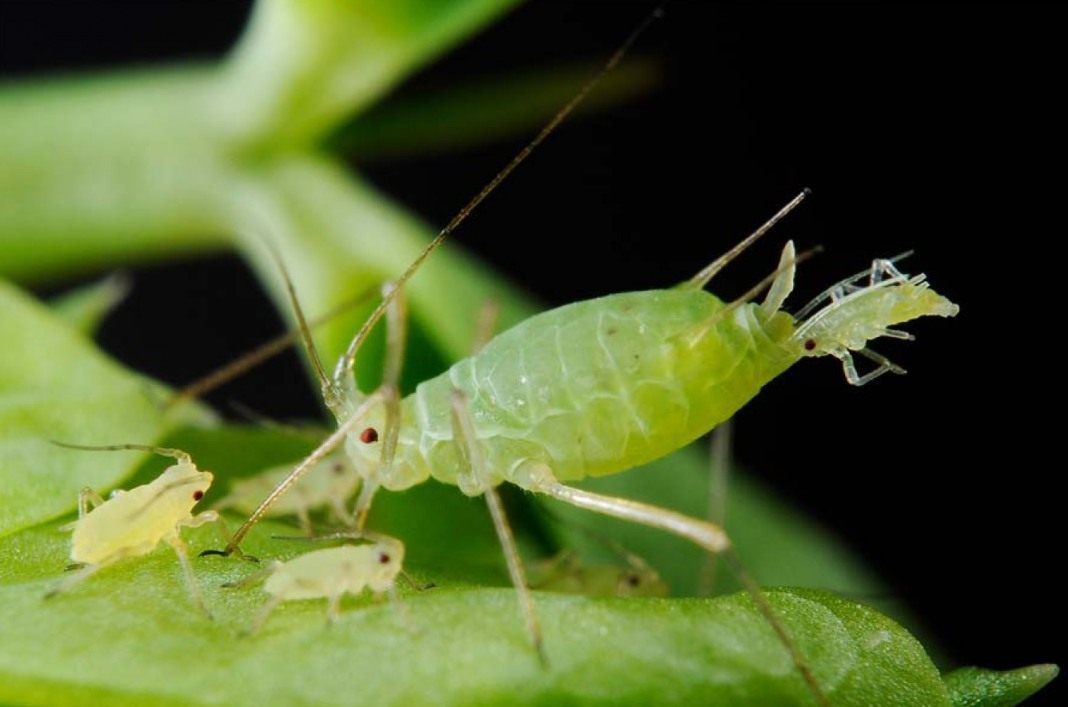
Another sucking pest of plum is the plum green aphid. This pest infests young leaves and woody shoots.
When aphids infest a large area, their presence significantly weakens the plant. Ants also spread them. In this case, it's crucial to understand how to get rid of ants on plum trees. Therefore, for effective control, you need to use an ant and aphid repellent for plum trees.
Leaf roller caterpillars
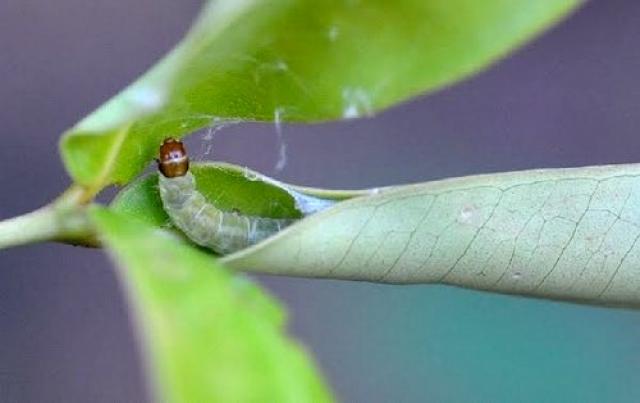
Leaf roller caterpillars aren't as dangerous as the pests described above, but they can still cause a lot of trouble for gardeners. The caterpillars damage leaves and fruits by sucking out their sap. They are about 20 mm long. Their heads are brown, and their thoracic plates are greenish-brown.
The leaf roller attacks stone fruits and pome fruits, as well as birch, raspberries and roses.
Rose leafhopper
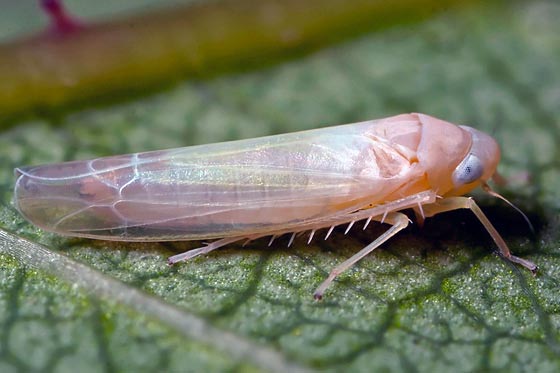
This small, sucking insect has a distinctive pale yellow body. Cicadas are excellent jumpers and have two pairs of wings. Therefore, they must be eliminated immediately upon detection, otherwise they will infest a large part of the garden.
Adults lay yellowish or white larvae. They have a pointed abdomen and three pairs of legs. The larvae overwinter at the base of buds.
These are the main types of pests found on plum trees. However, stone fruit trees can also be affected by gall mites and other pests. It's important to know what to do when a particular pest is detected in each individual case. Despite the specific treatments, there are general methods for controlling insects on fruit trees.
Methods of control and prevention
Preventing insects on plum trees involves performing preventative periodic treatments of trees throughout the season.
To prevent aphids, scale insects, and gall mites from appearing on the plum tree, the first spraying is carried out in early spring.
Insecticide treatment is also carried out at the green cone stage.
In addition to spraying, the following preventative measures must be carried out during the season:
- loosening the tree trunk circle;
- weed removal;
- cutting out root shoots;
- sanitary pruning of branches;
- cleaning the trunk from dead bark;
- whitening the trunk in autumn.
In addition, plum trees should be periodically inspected throughout the season for signs of pests (for example, webbing in the case of spider mite infestation). If the tree is infected during fruit set and ripening, a thorough treatment is necessary. The chemical treatment chosen depends on the specific pest infesting the trees. In this case, control will be more effective than using general-purpose pesticides or folk remedies.
It is worth noting that folk remedies are effective only as a preventative measure or for minor tree damage.
In the event of a massive infestation, only a strong chemical (such as Nitrafen, Polycarbacin, etc.) will help get rid of the insects. When working with strong fungicides, always follow safety precautions, otherwise you can harm your health.
Also in the fall, it's important to thoroughly clean up around the trees, after which all plant debris should be burned away from the garden. This is done to ensure the destruction of pests that overwinter in old branches and fallen fruit.
Knowing how to deal with plum pests allows you to quickly and effectively remove parasites from the tree, thereby preserving the harvest.