
Growing early ripening and large-fruited plums Start
Content
Description and characteristics of the variety
The Startovaya plum variety was developed at the I.V. Michurin All-Russian Research Institute of Genetics and Breeding of Fruit Plants. The breeding work was carried out by G.A. Kursakov, R.E. Bogdanov, G.G. Nikiforova, and T.A. Pisanova. The Startovaya plum's parents are the Eurasia 21 and Volzhskaya Krasavitsa varieties. This crop is zoned for the Central Black Earth Economic Region of Russia and is also widely grown in Ukraine, Moldova, Georgia, and Estonia.
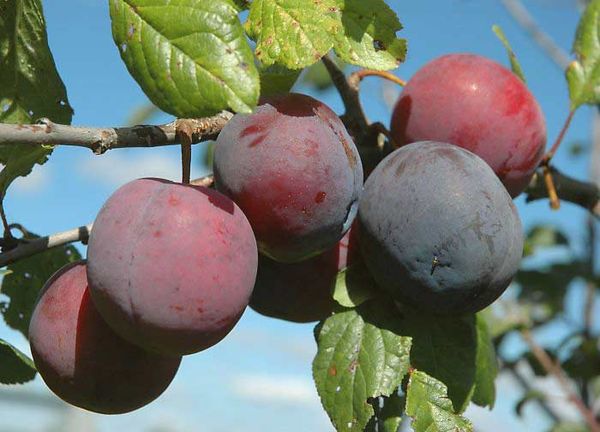
The main characteristics of this plum tree variety include:
- early fruiting (the first harvest can be collected already in the 3-4 year of the plant’s life);
- high frost resistance;
- early fruiting;
- good yield indicators (about 600 kg of ripe fruits are harvested from 1 hectare of orchard);
- excellent taste of fruits;
- good transportability if the harvested crop is stored correctly.
According to the variety description, the Startovaya plum is a self-sterile fruit tree. Pollinators are needed for a good harvest.
This variety is characterized by its universal use. The plums can be eaten raw or used to make compotes, mousses, wine, jam, and preserves. They freeze well and can be used to decorate ice cream, cakes, pies, and other homemade baked goods.
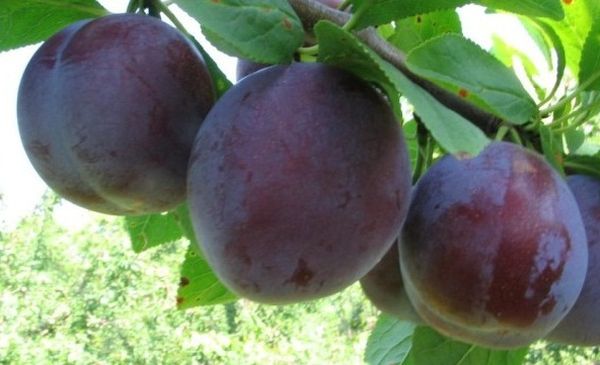
The Startovaya variety is a medium-sized fruit tree with a broad, oval, dense crown. The slightly curved shoots are of medium thickness and have reddish-brown bark. The plant has sparse foliage. The emerald-colored leaves are small, wide-format, with pointed edges and a wrinkled surface. This plum tree blooms profusely. The snow-white petals are arranged in bell-shaped clusters. The anthers are located below the stigma.
The large fruits of the Startovaya variety are distinguished by their uniformity. The average ripe fruit weighs 50–55 g. The plum is oval in shape, slightly rounded at the top and indented at the base. The skin is medium-thick and purple in color, while the flesh has a beautiful amber hue. The fruits have a sweet-tart flavor and are very juicy, containing approximately 8.5% sugar. The juice is watery, sweet, and clear.
Agricultural cultivation techniques
Regions with a moderate continental climate and mild winters are considered ideal for growing the Startovaya plum. Experienced gardeners note that this fruit tree is propagated by cuttings or by planting seeds.
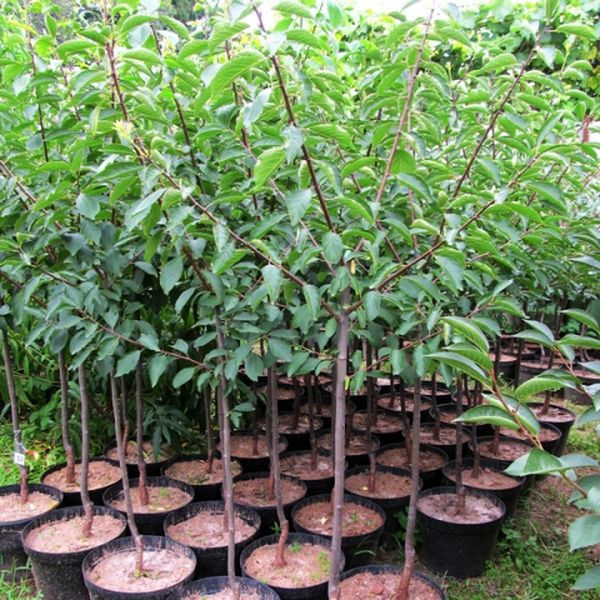
When planting plum saplings, it's recommended to choose loamy soil with a neutral pH, in a sunny location well protected from the wind. Due to the characteristics of this variety, the Startovaya plum does not require winter shelter. The plant not only tolerates frosts well but also thrives in hot summers.
Fruit trees are fertilized three times a year: in mid-spring, mid-summer, and in the fall, after the harvest. Fertilizers that can be used include superphosphate, wood ash, urea, phosphate, and nitrogen fertilizers. Organic matter is added to the soil in the fall.
Plum trees require crown shaping. The first pruning of branches occurs in the second year of the tree's life. Sanitary and formative crown pruning is performed annually, removing weak, damaged, and crooked shoots, and removing root suckers.
Diseases and pests
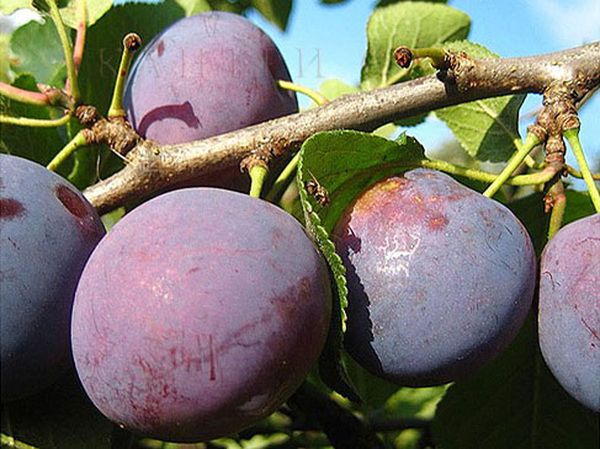
One of the key advantages of this variety is its high resistance to fungal infections and harmful insects. According to gardeners with many years of experience growing plum trees, the Startovaya variety is resistant to fruit rot, scab, rust, coccomycosis, and other diseases common to fruit trees. The Startovaya plum is also resistant to insects such as the ringed silkworm, plum moth, weevils, yellow plum sawfly, and shoot moth.
This fruit crop does not require annual preventative spraying. Treatment is recommended only if clear signs of insect pests or infectious diseases are detected.
Video: "Plum Tree Planting Guidelines"
This video will show you how to properly plant a plum tree in your garden.